When choosing cookware, stainless steel is a popular, versatile option. It is essential to know how to compare different stainless steel cookware materials. Each type offers unique benefits and potential drawbacks. Understanding these differences can greatly impact your cooking experience and kitchen efficiency.
Several factors come into play when selecting stainless steel cookware. These include thickness, composition, and manufacturing process. For instance, a heavier base may provide better heat distribution but can also be more challenging to handle. You might find that some brands claim durability but may not withstand everyday use.
By exploring the different grades of stainless steel, you can identify what works best for your culinary needs. Feel free to delve into reviews and expert opinions. It's worth considering that what works for someone else may not suit your preferences. Recognizing these nuances will help you make informed decisions in your cookware journey.
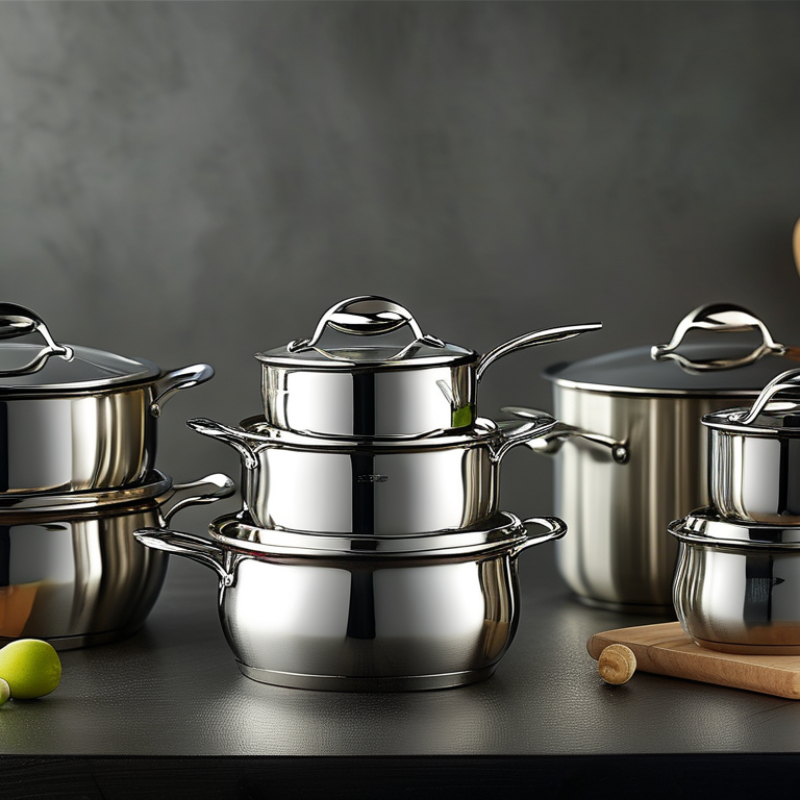
Stainless steel cookware is popular for its durability and versatility. It is a staple in many kitchens. The material is made from a blend of iron, chromium, and nickel. This combination makes it resistant to rust and corrosion. The weight of stainless steel provides a solid feel during cooking. Many chefs appreciate these qualities.
While stainless steel has many advantages, there are some concerns. It can be less conductive compared to other materials. This might lead to hot spots while cooking. Some people may also find it challenging to clean. Sticking can occur, especially when cooking delicate foods. It's essential to use the right techniques to prevent this. Learning the best practices can make a significant difference.
Ultimately, choosing stainless steel cookware involves weighing the pros and cons. Each kitchen has unique needs. Understanding how stainless steel works is vital for effective cooking. Exploration of the material's properties can lead to better cooking outcomes. Engaging with these details ensures informed decisions and a rewarding culinary experience.
Stainless steel cookware is a popular choice for many home chefs. Understanding the different grades of stainless steel is crucial for selecting the right cookware. Cookware typically uses a combination of metals, ensuring durability and resilience. The primary grades include 304 and 316 stainless steel.
304 stainless steel, known for its corrosion resistance, is common in many kitchen products. It contains 18% chromium and 8% nickel, creating a strong yet flexible material. However, it may not withstand severe heat for long durations. On the other hand, 316 stainless steel includes an additional molybdenum. This enhances its resistance to pitting and crevice corrosion, particularly in salty environments. It is often favored for its longevity, albeit at a higher price point.
Not all stainless steel cookware is created equally. The differences in grades affect performance significantly. Lower grades can warp over time, affecting cooking efficiency. It's essential to consider the cooking methods you'll use. If you often cook at high temperatures, investing in higher grades may yield better results. However, those on a budget may find satisfactory options in mid-range selections. It's all about finding the right balance for your culinary needs.
Stainless steel cookware offers several advantages compared to other materials like aluminum or non-stick coatings. One key benefit is its durability. Unlike some materials, stainless steel does not easily warp or scratch. This makes it a reliable choice for everyday use. The smooth surface also resists stains and is easy to clean, although it may require some scrubbing for tough food residues.
Another important aspect is that stainless steel is non-reactive. This means it won't alter the taste or nutritional value of your food. It won’t interact with acidic ingredients like tomatoes or vinegar. However, it may not distribute heat as evenly as copper or cast iron. This could lead to uneven cooking if not monitored closely.
Lastly, stainless steel is a sustainable choice. It is 100% recyclable and can last for many years if cared for properly. However, it's worth noting that quality varies. Some stainless steel cookware contains lower-grade materials that can affect performance. Always check specifications to ensure you’re getting the best quality for your kitchen.
| Material | Heat Conductivity | Durability | Reactivity | Maintenance | Price Range |
|---|---|---|---|---|---|
| Stainless Steel | Moderate | High | Non-reactive | Easy to clean | $$ |
| Cast Iron | High | Very High | Reactive | Requires seasoning | $$$ |
| Non-stick | Moderate | Low | Non-reactive | Easy, but care needed | $ |
| Copper | Very High | Moderate | Reactive | Requires polishing | $$$$ |
| Aluminum | High | Moderate | Reactive | Easy to clean | $ |
When selecting stainless steel cookware, consider key features that affect performance. Look for the thickness of the material.
Thicker cookware provides better heat retention and uniform cooking. A thickness of at least 18/10 gauge is advisable. However, overly thick pots can be cumbersome to handle. Balance is essential.
The type of stainless steel also matters. Some grades offer higher resistance to rust and corrosion.
A blend of chromium and nickel is ideal for durability. Beware, though, that not all stainless steel is created equal. Variations can lead to different cooking results. Check the specifications carefully.
Transitional design is another feature to ponder. Cookware with an ergonomic handle enhances comfort during use. But heavy handles might create imbalance. Additionally, consider compatibility with heat sources. Certain stainless steel cookware performs better on induction cooktops. Misunderstanding this could lead to inefficiency. Pay attention to these details for a more enjoyable cooking experience.
Stainless steel cookware is a favorite among many home chefs. To ensure that your cookware lasts long, proper care is essential. Begin by cleaning your stainless steel pots and pans with warm, soapy water after each use. This helps prevent food from sticking. However, some stains may not come off easily. If this happens, a gentle scrub with a non-abrasive sponge can work wonders.
Avoid using steel wool, as it can scratch the surface. Instead, consider using a paste made of baking soda and water for tough stains. Rinse thoroughly after cleaning. It's also important to dry your cookware well to prevent water spots. Storing them in a dry, cool place will protect them from moisture and maintain their shine.
Cooking with stainless steel can sometimes lead to food sticking, especially if the pan is not preheated properly. Allow your pan to heat up before adding oils or food. This is a lesson many cooks have learned through trial and error. Lastly, frequent use can lead to dullness. If your cookware loses its luster, a little vinegar can help restore its shine. The journey of caring for stainless steel is ongoing, filled with opportunities to learn and improve.
: It's made from a blend of iron, chromium, and nickel. This combination enhances its durability and corrosion resistance.
Chefs appreciate its solid weight and resistance to rust, making it reliable for various cooking tasks.
It can have hot spots and may stick when cooking delicate foods. Cleaning can also be a challenge.
Clean with warm, soapy water. For tough stains, use a non-abrasive sponge and a baking soda paste.
The main grades are 304 and 316. 304 is popular, but 316 has better resistance to salty environments.
Yes, lower grades can warp, affecting cooking efficiency. Higher grades are more durable but cost more.
Preheat the pan before adding oils or food. This helps reduce sticking incidents during cooking.
Use vinegar to help restore its shine. Regular maintenance can keep cookware looking new.
No, different grades and qualities lead to varying performance. Choose based on your cooking needs.
Store in a dry, cool place to prevent moisture. Proper storage helps maintain its quality and shine.
This article serves as a comprehensive guide on how to compare different stainless steel cookware materials, providing valuable insights for consumers. It begins with an overview of stainless steel cookware, highlighting its popularity in modern kitchens due to its durability and non-reactive nature. The article further explores various stainless steel grades used in cookware, detailing the differences and benefits of each type.
Readers will learn about the advantages of stainless steel over other materials, including its resistance to corrosion and ability to retain heat. Key features to consider when selecting stainless steel cookware, such as construction, weight, and compatibility with cooking surfaces, are discussed. Finally, the article offers essential care and maintenance tips to ensure the longevity and performance of stainless steel cookware, making it an indispensable resource for anyone looking to invest in high-quality kitchen essentials.
