When considering cookware, one question often arises: what is the best grade of stainless steel for cookware? The answer is crucial for both home chefs and professional kitchens. Stainless steel offers durability, resistance to rust, and easy maintenance. However, not all grades perform equally.
Different stainless steel grades include 304, 316, and more. Each has unique properties and applications. For instance, 304 grade is popular for its balance of affordability and performance. It consists of 18% chromium and 8% nickel, providing excellent corrosion resistance. This grade is often favored in cookware.
Yet, choosing the right grade isn't always straightforward. Some may focus purely on cost, overlooking essential features. Others may prioritize durability over weight. These choices have significant implications for cooking quality and safety. Understanding the nuances of stainless steel cookware helps ensure you make informed decisions.
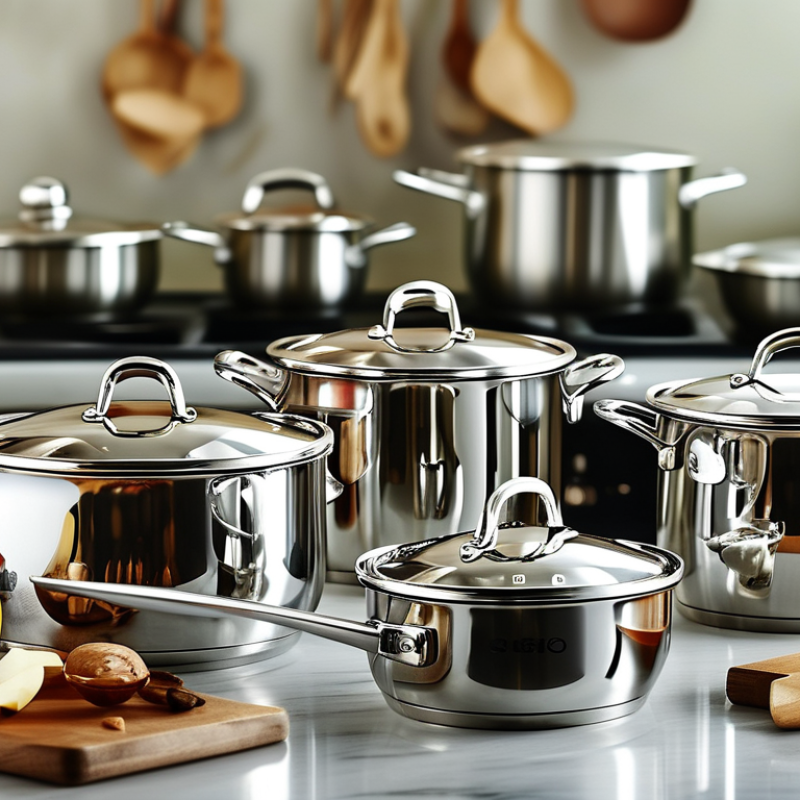
Overview of Stainless Steel Grades Used in Cookware
When choosing cookware, the grade of stainless steel matters. Different grades offer unique benefits for cooking. One widely used grade is 304 stainless steel, known for its durability and resistance to corrosion. It is an ideal option for everyday cooking needs. This grade contains 18% chromium and 8% nickel, which enhances its overall performance.
Another important grade is 316 stainless steel. It includes molybdenum, which improves resistance to pitting. This feature makes 316 steel perfect for heavy-duty tasks. It’s commonly preferred in professional kitchens due to its strength. However, it can be more expensive. Understanding these differences helps in making informed decisions.
Tip: Check the thickness of the cookware. Thicker materials provide better heat retention. Additionally, consider the bonding of metals in your cookware. Multi-ply construction can enhance durability and cooking results.
While 430 stainless steel offers decent performance and is affordable, it lacks the corrosion resistance of higher grades. It may be suitable for some applications but will not hold up as well over time. Investing in higher-quality stainless steel can result in better cooking experiences. Reflect on your cooking habits when choosing cookware.
Characteristics of Common Stainless Steel Grades
Stainless steel cookware comes in various grades, each with distinct characteristics. The most common grades are 304 and 316. These grades differ in composition, affecting their durability and resistance to corrosion.
304 stainless steel is widely used for kitchen items. It contains 18% chromium and 8% nickel. This combination provides excellent resistance to rust. However, it can be prone to staining if not properly maintained. Regular cleaning and drying after use can mitigate this issue.
316 stainless steel is often considered superior for cookware. It includes molybdenum, which enhances corrosion resistance. This is particularly beneficial for those who cook with acidic ingredients. Yet, it tends to be more expensive than 304. For home cooks, investing in 316 can be worthwhile for longevity.
Tips: Look for cookware marked with "18/10" to ensure you're getting high-quality stainless steel. Always avoid using steel wool or harsh chemicals for cleaning, as they can scratch the surface. Remember, proper care extends the life of your cookware.
Comparison of Common Stainless Steel Grades for Cookware
Comparing Durability and Strength of Stainless Steel Types
Stainless steel cookware comes in different grades, each affecting durability and strength.
The most common grades are 304 and 316, both offering excellent resistance to corrosion.
304 is often favored for its balance of affordability and performance.
It can resist rust and withstand heat, making it a good choice for everyday cooking.
On the other hand, 316 stainless steel contains molybdenum, enhancing its corrosion resistance.
This makes it ideal for acidic foods. However, the cost is often higher.
Many cooks report that 316 cookware retains heat better
but may not justify the expense for all users.
It’s important to remember that no grade is perfect.
While one type may excel in durability, it might lack in heat conductivity.
Choosing the right grade involves considering the specific cooking needs.
Reflecting on how often and what you cook can lead to better decisions.
Aligning these factors with your kitchen habits is key.
Factors to Consider When Choosing Cookware Material
Choosing the right cookware material is critical for both
safety and performance. Stainless steel is popular for its durability and resistance to rust.
When selecting stainless steel cookware, consider the grade. The most commonly used grades are
18/10 and 18/8,
representing the percentages of chromium and nickel in the alloy.
Higher nickel content provides better corrosion resistance,
which is vital for longevity.
Heat conductivity is another vital factor. Stainless steel does not conduct heat as well as
copper or aluminum.
However, many high-quality stainless steel pieces feature a core of aluminum or copper for better
heat distribution. This combination ensures more even cooking and minimizes the risk of hot spots.
According to the American Cooking Institute,
cookware that heats evenly can lead to better culinary results and more satisfaction.
Weight is also worth considering. Heavier stainless steel cookware tends to feel more durable and
can often endure higher temperatures. However, most consumers may find these pieces cumbersome
to handle. This might not be a problem for seasoned chefs, but it can pose a challenge for casual
cooks. Balancing weight with ease of use is essential for an enjoyable cooking experience.
Remember, each factor can significantly impact
your cooking results and overall experience in the kitchen.
Impact of Stainless Steel Grade on Cooking Performance
The grade of stainless steel used in cookware significantly influences cooking performance. Higher-grade stainless steels, like 316L, resist corrosion and withstand high temperatures. They promote even heat distribution, which is crucial for cooking. This grade is particularly beneficial when searing meats, as it allows for better browning.
However, not all cooking tasks require top-tier materials. For everyday use, a mix of grades, such as 304, can be sufficient. While 304 has decent corrosion resistance, it may not perform as well under extreme conditions. Users often find it easier to handle and maintain for regular cooking tasks. Yet, it can warp over time if exposed to high heat frequently.
Choosing the right grade demands careful consideration. The trade-offs between durability and performance can be complex. A cost-effective option may serve well for novice cooks but could limit the complexity of culinary techniques. Balancing quality with practicality is essential for enhancing your cooking experience.
What is the Best Stainless Steel Grade for Cookware? - Impact of Stainless Steel Grade on Cooking Performance
| Stainless Steel Grade |
Composition (%) |
Corrosion Resistance |
Heat Conductivity |
Best Use |
| 304 |
18% Cr, 8% Ni |
Excellent |
Moderate |
General-purpose cookware |
| 316 |
16% Cr, 10% Ni, 2% Mo |
Superior |
Moderate |
Marine and high-salt environments |
| 430 |
16% Cr |
Good |
Low |
Budget cookware, decorative items |
| 201 |
16% Cr, 3.5% Ni |
Fair |
Good |
Cost-effective cookware |
| 410 |
11.5% Cr |
Moderate |
Good |
Cutlery, appliances |
FAQS
: 304 stainless steel is known for its durability and resistance to corrosion. It’s ideal for everyday cooking.
316 stainless steel includes molybdenum, enhancing its resistance to pitting and making it suitable for heavy-duty cooking tasks.
Check for thicker materials. Thicker cookware provides better heat retention and more even cooking results.
430 stainless steel is affordable but lacks corrosion resistance. It might not hold up well over time compared to higher grades.
Regular cleaning and drying after use can help prevent staining. Proper maintenance is essential for longevity.
"18/10" refers to the composition of stainless steel, indicating high-quality materials for improved durability and performance.
316 stainless steel is more expensive due to its superior corrosion resistance and durability, especially for acidic cooking.
No, no grade is perfect. Some may excel in durability but lack heat conductivity. Choose based on your cooking habits.
Avoid using steel wool or harsh chemicals. These can scratch the surface. Use mild cleaners and soft cloths instead.
Reflect on what you cook most often. Matching cookware with cooking needs can lead to a better cooking experience.
Conclusion
When considering what is the best grade of stainless steel for cookware, it is essential to understand the various grades available and their unique characteristics. Common grades like 304 and 316 are favored for their corrosion resistance, durability, and non-reactive properties, making them ideal for cooking. Additionally, comparing the strength and durability of these types reveals that higher grades often provide better performance and longevity in the kitchen.
Choosing the right cookware material involves factors such as heat conductivity, maintenance, and cooking methods. The impact of stainless steel grade on cooking performance cannot be overstated, as it influences everything from temperature retention to food release. By evaluating these elements, you can make an informed decision that enhances your cooking experience and ensures your cookware lasts for years.

