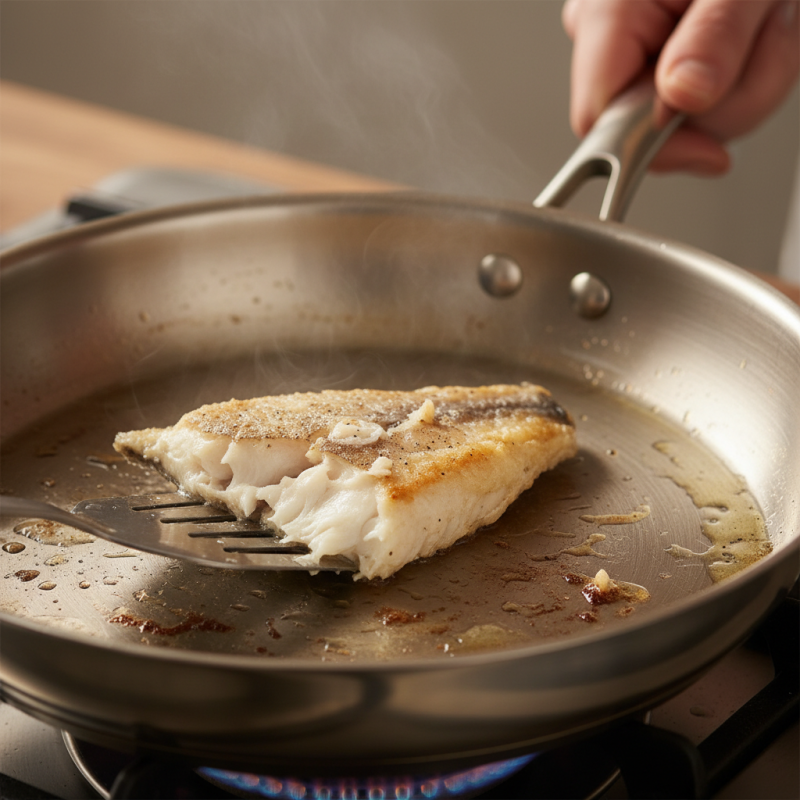
Cooking with stainless steel offers many advantages, but a common issue arises: why does food stick to stainless steel cookware? Understanding this phenomenon involves exploring various factors. The interaction between food, heat, and the cookware's surface plays a crucial role.
When food comes into contact with the hot surface, proteins can bond with the stainless steel. This bond is strong, leading to food sticking. Many cooks find it frustrating, especially when preparing delicate items like fish or eggs.
To mitigate sticking, it's vital to master heat management. Preheating your cookware and using enough oil can create a barrier. However, it may require practice to achieve the perfect technique. Recognizing these challenges can improve your cooking experience. Addressing common sticking issues enhances both enjoyment and outcomes in the kitchen.
Understanding the Chemistry Behind Food Adhesion to Stainless Steel Cookware
Stainless steel cookware is popular for its durability and aesthetic appeal. However, many home cooks experience food sticking to these surfaces. Understanding the chemistry behind this phenomenon can help mitigate the issue. According to a study by the American Chemical Society, the bonding of food proteins to metal surfaces occurs at a molecular level. When food is cooked, proteins denature and form strong attachments to the cookware’s surface.
The surface of stainless steel is not perfectly smooth. It has microscopic ridges and grooves that trap food particles. This happens especially when a pan is cold, as the food does not release easily. A report from the Journal of Food Science highlights that preheating stainless steel cookware can significantly reduce sticking. The right temperature allows a natural non-stick effect to form. Additionally, the use of oils can create a barrier, preventing direct contact between food and the metal.
Despite these solutions, sticking can still occur, leading to frustration. Some cooks may overestimate the amount of oil needed or misjudge the pan's heat. Each cooking situation is unique, and learning from these experiences can improve future results. A proactive approach—like adjusting heat or using the right amount of fat—can enhance your cooking performance with stainless steel. Understanding these factors is essential for successful cooking and can turn frustrations into valuable lessons in the kitchen.
Why Does Food Stick to Stainless Steel Cookware Solutions?
| Factor |
Description |
Solution |
| Heat Distribution |
Uneven heating can cause food to stick. |
Preheat the cookware properly before adding food. |
| Oil Type |
Some oils have a lower smoke point and can stick. |
Use oils with a higher smoke point such as canola or avocado oil. |
| Cookware Quality |
Lower quality stainless steel may be more prone to sticking. |
Invest in high-quality stainless steel cookware. |
| Food Moisture |
Excess moisture in food can cause sticking during cooking. |
Pat food dry before cooking to reduce moisture levels. |
| Cooking Technique |
Improper techniques can increase sticking. |
Use proper techniques such as allowing food to release naturally before flipping. |
Common Causes of Food Sticking in Stainless Steel Cooking
Cooking with stainless steel can be a rewarding experience, but it often comes with the frustration of food sticking. Understanding common causes of this issue can help you improve your cooking techniques.
One major reason food sticks is insufficient preheating. When the surface isn't hot enough, proteins in food cling to the metal. For example, placing a steak on a cold pan can trap moisture, leading to sticking. Another element is using too little fat. A generous amount of oil or butter creates a barrier that helps prevent food from adhering. It's essential to find the right balance: too much can lead to greasy dishes, while too little results in sticking.
Additionally, the type of food matters. Delicate ingredients, like eggs, are more prone to sticking than sturdier options. Cooking them at the right temperature can alleviate this issue. However, even experienced cooks encounter frustration when food sticks unexpectedly. Reflecting on your techniques and adjusting methods can lead to better results. Remember, practice makes perfect, and learning from mistakes is part of the journey in mastering stainless steel cookware.
The Role of Heat Distribution in Food Sticking to Cookware
When cooking with stainless steel, heat distribution plays a significant role in preventing food from sticking. Uneven heating can create hot spots, where certain areas of the pan become excessively hot. This unevenness can cause protein surfaces to bond with the pan, making food stick. Utilizing a steady, medium heat allows the food to sear properly, creating a natural barrier that reduces adhesion.
Tips: Always preheat your stainless steel cookware before adding oil or food. A well-heated pan allows proteins to cook evenly, aiding in the release from the surface. Use fats judiciously for better results. Olive oil or butter can help create that important non-stick layer.
Moreover, food composition matters. The moisture content, fat levels, and even the type of food can influence how well it releases from the pan. Cooking delicate proteins like fish on too high a heat might cause sticking, resulting in an undesired texture. For starchy foods, incorporating a little acid can help mitigate sticking as well.
Tips: Don’t overcrowd the pan. Allow enough space for food to cook evenly. This habit prevents moisture build-up, which can lead to sticking. Lastly, use a gentle touch when flipping or moving food around. Patience and attention to detail matter in achieving a perfect sear.
Comparative Analysis of Non-Stick Versus Stainless Steel Surfaces
When comparing non-stick cookware to stainless steel surfaces, it’s crucial to understand the interactions between food and surface materials. Stainless steel is favored for its durability and heat conduction. However, many cooks experience food adhesion. Data from the Amercian Culinary Federation indicates that proteins and sugars are prone to sticking, especially at high temperatures.
Stainless steel cookware requires proper preheating and oiling techniques. According to the USDA, sufficient oil creates a barrier that reduces sticking. Even then, some foods may still cling. It's not uncommon for chefs to encounter this challenge. Regular practice and experimentation can help in developing effective cooking skills with stainless steel.
Tip: When using stainless steel, ensure the pan is preheated adequately. A drop of water should sizzle and evaporate almost immediately.
In contrast, non-stick cookware minimizes sticking due to its surface coating. However, it may lose effectiveness over time and may not withstand high heat. Research shows that non-stick surfaces often degrade after frequent use. This leads to concerns about longevity and safety. Understanding these trade-offs is vital for deciding which cookware suits your needs best.
Tip: Use wooden or silicone utensils to avoid damaging non-stick coatings.
In conclusion, both types of cookware have advantages and limitations. By understanding how food interacts with each surface, cooks can make informed choices, enhancing their culinary experience.
Tips and Techniques to Minimize Food Adhesion in Cooking Processes
Stainless steel cookware is popular, but food sticking can be a challenge. Understanding the reasons behind this can help any cook improve their experience. The smooth surface of stainless steel is less conducive to food release compared to non-stick alternatives. When food cooks, proteins create bonds with the metal, resulting in sticking. A study by the American Culinary Federation indicates that up to 30% of professional chefs report issues with food adhesion on stainless steel.
To minimize sticking, proper preheating is crucial. Heating the pan before adding oil can create a layer that helps prevent adhesion. A temperature around 375°F is often recommended. Additionally, using enough oil or fat is essential. A thin layer can help food slide off easily. Experimenting with this can lead to better results, as everyone's cooking habits vary. Some cooks notice that using different oils can affect stickiness as well.
Another technique involves using the right cooking method. Avoid overcrowding the pan, as this causes steam build-up and promotes sticking. Instead, cook in smaller batches to give ingredients enough space. The right utensils matter too. A wooden or silicone spatula can help lift food without damaging the cookware. These tips can transform your cooking experience, leading to better meals without the frustration of food sticking.
FAQS
: Insufficient preheating is a major cause. If the surface isn’t hot enough, food can cling.
Use enough oil or butter. A generous amount creates a barrier against sticking.
Yes, delicate foods like eggs tend to stick more than sturdier options.
A drop of water should sizzle and evaporate quickly. This indicates the pan is ready.
Yes, even experienced cooks can have food stick unexpectedly at times.
Non-stick surfaces minimize sticking but may degrade with high heat over time.
Yes, their effectiveness can decline with frequent use, raising safety concerns.
Reflect on your techniques and practice regularly. Small tweaks can lead to big improvements.
While versatile, some delicate foods may require special attention to avoid sticking.
Finding the right balance is key. Too much fat can make dishes greasy, while too little leads to sticking.
Conclusion
The article "Why Does Food Stick to Stainless Steel Cookware Solutions?" explores the complex chemistry behind food adhesion to stainless steel surfaces. It delves into the common causes of food sticking, including the characteristics of the cookware and the cooking methods employed. A key factor discussed is the role of heat distribution, as uneven heating can exacerbate sticking issues.
Additionally, the piece compares non-stick cookware with stainless steel, highlighting their differing properties and performance. To mitigate food adhesion, it offers practical tips and techniques for cooks, emphasizing the importance of preheating pans and using adequate cooking oils. Understanding these factors can help answer the question, "why does food stick to stainless steel cookware," and provide effective strategies to enhance cooking experiences.