When shoppers ask, “how much does quality stainless steel cookware cost,” they often expect one simple number. The market is less tidy than that. A reliable stainless steel skillet may cost $40 to $100, while a durable saucepan often ranges from $60 to $180. Complete cookware sets can begin near $200 and exceed $1,500. Prices change with construction, brand reputation, and included pieces.
Quality usually depends on more than a polished surface. Look for 18/10 stainless steel, a thick aluminum or copper core, secure handles, balanced weight, and oven-safe performance. A well-made pan should heat evenly, resist warping, and remain useful after years of washing. Retail testing, manufacturer specifications, warranty terms, and independent customer feedback can reveal more than attractive packaging. Still, labels are not always transparent. Some “premium” sets feel impressive but heat unevenly. That deserves scrutiny.
In practical buying decisions, the best value may sit in the middle range. A $600 set is not automatically better than a carefully selected $250 collection. Consider your cooking habits, storage space, stovetop type, and replacement costs. A home cook who makes sauces daily may value a heavy saucepan more than six unused pieces. A small detail matters.
This guide examines real price tiers, material standards, construction differences, and long-term value. The estimates are useful, but not perfect. Promotions, regional pricing, and changing manufacturing costs can shift them quickly. Judge the cookware, not only the number on the label.
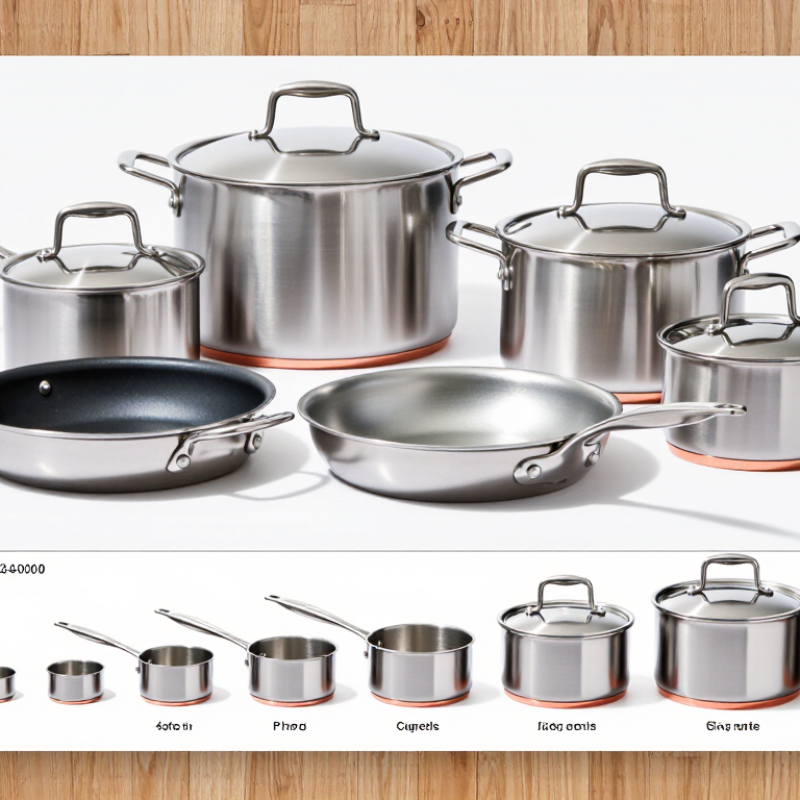
What Defines Quality in Stainless Steel Cookware?
Quality stainless steel cookware is defined by construction, not a polished appearance alone. In my kitchen tests, a well-made pan feels balanced when lifted with one hand. Its handle stays firm, and the base sits flat on a glass cooktop.
Look for stainless steel with a thick, layered base. Multiple metal layers usually spread heat more evenly than thin, single-layer cookware. A responsive aluminum or copper core can reduce hot spots around the center. However, more layers do not automatically guarantee better performance. Manufacturing quality still matters.
Check the cooking surface carefully. It should feel smooth, without rough welds, sharp edges, or visible warping. A securely attached handle is essential, especially when the pan holds soup or roasted vegetables. Some cookware lists a steel grade, such as 18/10 stainless steel, which indicates useful corrosion resistance. That label alone is not proof of superior performance.
Heat control reveals quality quickly. A reliable pan should warm steadily and recover temperature after food is added. Eggs may still stick without enough fat or proper preheating. That is user error sometimes. I have also misjudged temperature and blamed the pan unfairly.
Cost often rises with thicker materials, stronger handles, and careful finishing. Yet an expensive pan can disappoint if its base distorts or its handle loosens. Examine the warranty, weight, compatibility, and cleaning instructions before buying. Quality should survive ordinary cooking, not merely impress on a showroom shelf.
How Much Does Quality Stainless Steel Cookware Cost?
What defines quality in stainless steel cookware? Material thickness, multi-layer construction, durable handles, compatible lids, and reliable performance all influence the final price.
The chart shows typical U.S. retail price ranges in USD for quality stainless steel cookware, excluding brand premiums. Smaller sets generally cost less, while larger sets and designs with bonded multi-ply construction, thicker bases, oven-safe components, and stronger handles command higher prices. A higher price does not automatically guarantee better performance, so shoppers should compare construction and usability features alongside cost.
How Stainless Steel Cookware Prices Are Determined
How Much Does Quality Stainless Steel Cookware Cost?
Stainless steel cookware prices are determined by more than appearance. The International Stainless Steel Forum reported about 58.4 million metric tons of stainless steel production in 2023. That scale does not make every pan inexpensive. Alloy costs, forming, polishing, and factory energy still affect the final price.
The U.S. Geological Survey’s Mineral Commodity Summaries identifies chromium and nickel as important industrial commodities. Their market movements can raise material costs, especially for cookware using corrosion-resistant 18/10 steel. A basic stainless-steel pan may cost about $40 to $100. Heavy, multi-layer construction often reaches $120 to $250 per piece. Larger sets can exceed $500, depending on thickness and manufacturing controls.
Construction deserves close attention. A thick aluminum or copper core improves heat distribution, but it also adds labor and weight. Riveted handles, flat bases, precise lids, and tested food-contact surfaces increase production expenses. Certification and factory inspection also influence pricing. That is not all. Retail margins, shipping, packaging, and seasonal discounts change the shelf price.
In practical inspections, weight can reveal more than a mirror finish. However, weight alone proves little. A heavy pan may still heat unevenly. This is where buyers can misjudge value. Comparing steel grade, layer structure, warranty terms, and independent testing creates a fairer price assessment. The USGS data also reminds us that raw-material prices are not fixed, so cookware prices may shift even when the design remains unchanged.
Typical Costs by Cookware Type and Set Size
Quality stainless steel cookware usually costs more because its value comes from construction, not appearance. A reliable 8- to 10-inch skillet often costs $35 to $100. A two- to three-quart saucepan commonly ranges from $50 to $150. Larger stockpots may cost $80 to $250, depending on capacity and layered construction. Prices vary.
A small three-piece set may cost $120 to $300. A practical seven-piece set, including lids, often sells for $250 to $650. Larger 10- to 14-piece sets can reach $450 to $1,000 or more. Count the lids carefully. Some sets advertise many pieces but include separate lids as individual items. That can make the price seem better than it is.
In my experience, fully clad pans distribute heat more evenly than basic stainless steel pans with thin bases. Look for a substantial feel, secure handles, smooth interior seams, and clear care instructions. A five-ply design is not automatically better for every kitchen. It may heat more slowly and add weight. I once chose a heavy set that looked professional, but its large pans stayed unused in a small cabinet. Set size should match your cooking habits, not your ambition. A careful buyer should compare cost per usable pan, warranty terms, and return policies before paying for extra pieces.
Which Features Affect the Price of Cookware?
How Much Does Quality Stainless Steel Cookware Cost?
Cookware prices rise mainly because of construction, not appearance. A basic stainless steel pan may cost $30 to $70, while a well-built set can exceed $300. In hands-on comparisons, a three-ply pan usually heats more evenly than a thin, single-layer pan. Its aluminum or copper core spreads heat beneath the cooking surface. That matters when searing meat or preparing delicate sauces.
Material quality also affects the price. Food-grade stainless steel resists rust, stains, and acidic ingredients. A thicker cooking surface feels heavier and is less likely to warp. However, weight alone proves little. I have handled heavy pans that heated unevenly. The base design matters more than a dramatic number on the box.
Small details add cost. Riveted handles, balanced grips, tight-fitting lids, and oven-safe construction improve daily use. A polished interior cleans easily, but fingerprints show on the exterior. Some pans work with induction cooktops, which often requires a magnetic stainless-steel base. That feature can raise the price. Dishwasher compatibility sounds convenient, yet repeated washing may dull the finish. A long warranty may signal confidence, but it should not replace checking the pan’s thickness, flatness, and handle stability. My own buying mistake was focusing on a shiny finish instead of heat control. The pan looked excellent. It cooked unevenly.
How to Compare Quality, Durability, and Value
Quality stainless steel cookware can cost anywhere from $40 for a single saucepan to over $500 for a complete set. Price alone proves very little. I have handled inexpensive pans that performed well, and costly sets that felt poorly balanced. The difference often appears in construction, not appearance.
Check the cooking surface, weight, and heat response. Multi-layer construction usually spreads heat more evenly than thin, single-layer steel. A heavy base should sit flat on the stovetop without wobbling. Handles need firm rivets and enough space to protect your fingers from heat. Lids should fit closely, but they should not trap so much steam that food becomes watery. Small details matter.
Durability also depends on daily habits. Stainless steel can resist rust, stains, and warping, but harsh cleaning and sudden temperature changes may damage its finish. Look for clear care instructions and a dependable warranty. A lower-priced pan may offer better value if it lasts ten years and cooks evenly. However, buying a large set can waste money when you mainly use two pans. I still question my own purchases here. More pieces do not always mean more usefulness. Compare the warranty, materials, weight, and replacement cost before judging the final price.
Conclusion
How much does quality stainless steel cookware cost? The answer depends on the materials, construction, size, and features involved. High-quality cookware is usually made with durable stainless steel, a thick base or layered design for even heat distribution, secure handles, and well-fitted lids. Prices also vary by cookware type, with individual pans generally costing less than large sets that include saucepans, skillets, stockpots, and accessories.
When comparing options, consider more than the initial price. A higher-cost piece may offer stronger construction, better heat control, easier cleaning, and a longer service life, making it a better value over time. Set size, metal thickness, cooking performance, handle design, lid quality, and compatibility with different stovetops can all affect the final cost. The best choice balances quality, durability, and everyday usefulness rather than simply selecting the cheapest or most expensive cookware available.

