Is China Top Stainless Steel Cookware Safe for Daily Use?

Time:2026-10-20 Author:Charlotte
0%

Is stainless steel cookware safe for everyday cooking? For most households, the answer is generally yes, when the cookware uses a food-contact grade and follows proper manufacturing controls. China produces a large share of the world’s stainless steel goods, but country of origin alone does not prove safety or quality. Alloy composition, welding quality, surface finishing, and factory traceability matter more.

The U.S. FDA Food Code 2022 identifies stainless steel as a commonly used food-contact material when it is cleanable, corrosion-resistant, and maintained properly. NSF/ANSI 51 also sets material and design requirements for commercial food equipment. These standards offer useful reference points, although not every household pan is independently certified. The World Stainless 2023 production report shows stainless steel remains a major global engineering material, supporting its broad use in kitchens, hospitals, and food-processing facilities.

Daily experience still matters. A well-made pan should have a smooth interior, stable handles, and no flaking coating. After cooking tomato sauce, salt crystals, or vinegar-based food, rinse the surface instead of leaving residue overnight. New cookware may also benefit from washing and boiling water before its first use. Small habits help.

Nickel and chromium release can increase under harsh conditions, especially with damaged surfaces or prolonged cooking of acidic foods. Regulatory assessments, including European food-contact guidance, generally focus on migration limits rather than simple labels such as “premium” or “top quality.” Marketing can be vague. That deserves scrutiny.

This guide examines Chinese stainless steel cookware through materials, testing, manufacturing evidence, and practical kitchen use. It also acknowledges uncertainty: without laboratory migration testing and reliable supplier documents, no buyer can judge safety by appearance alone.
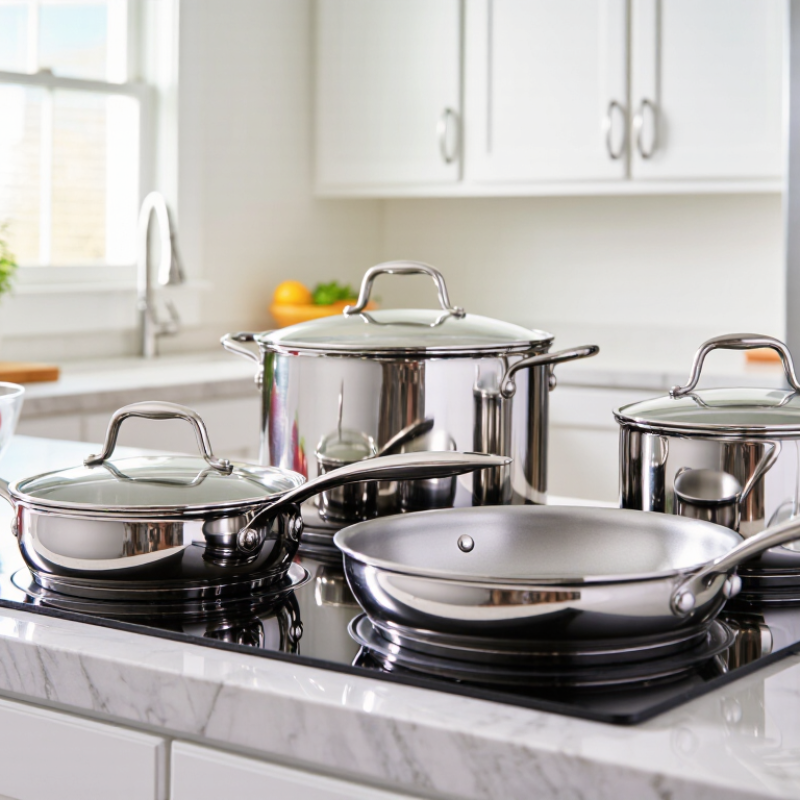
Is China Top Stainless Steel Cookware Safe for Daily Use?

What “Top Stainless Steel Cookware from China” Means

Is China Top Stainless Steel Cookware Safe for Daily Use?

“What top stainless steel cookware from China” means verified materials, controlled production, and reliable testing—not simply a country label.

China produced about 36.2 million tonnes of crude stainless steel in 2023, representing roughly 62% of global output, according to World Stainless. That scale shows manufacturing strength, but it does not guarantee every pan performs safely.

Look for food-contact documentation and a clearly stated alloy, such as 304 stainless steel. The U.S. FDA Food Code 2022 requires food-contact surfaces to be corrosion-resistant, smooth, nonabsorbent, and safe for their intended use. Ask whether the finished cookware passed migration testing for nickel and chromium, especially after contact with tomato sauce, vinegar, or salt. An ISO/IEC 17025-accredited laboratory adds credibility. Vague certificates do not.

Daily use is usually reasonable when the surface remains intact and cleaning follows the instructions. Avoid leaving acidic food overnight. Stop using cookware with deep pits, flaking layers, or unusual metallic tastes.

A practical detail matters: rinse salt from a warm pan before heating it.

I still find supplier claims incomplete when they omit test conditions, sample size, or report dates. That gap deserves scrutiny. Price alone proves little. Neither does a polished mirror finish.

How Stainless Steel Cookware Is Made and Regulated

Is China Top Stainless Steel Cookware Safe for Daily Use?

China-made stainless steel cookware can be safe for daily use when it follows food-contact requirements. Safety begins with the steel grade, not the country of manufacture. Common grades include 304 and 316, while magnetic 430 steel is often used for induction bases. Each grade should match its intended cooking environment.

Manufacturing usually starts with steel sheets, which are cut, stamped, welded, polished, and cleaned. Heat treatment may improve strength. Proper passivation helps rebuild the protective chromium oxide layer after processing. Factories should inspect welds, surface finish, thickness, and handle connections. Sharp edges, deep scratches, or visible residue deserve attention.

Regulation adds another layer. Manufacturers should meet applicable food-contact standards, including relevant GB 4806 requirements in China. Exported products may also need testing under the destination market’s rules. Migration tests can check whether nickel, chromium, or other substances transfer into food. Batch records and laboratory reports make these claims more reliable.

Still, compliance is not a permanent guarantee. A pan can be well made yet damaged by harsh cleaners or overheating. I would check the steel designation, use instructions, importer information, and test documentation before buying. Rinse new cookware carefully. Small details matter. Daily safety depends on materials, production controls, and how the pan is used.

Which Materials and Coatings Affect Everyday Cooking Safety

“Top stainless steel” is not a safety category. In daily cooking, alloy quality, welds, surface finish, and coating condition matter more than origin. Common 304 stainless steel contains chromium and nickel. Grade 316 adds molybdenum and usually resists salt corrosion better. Neither alloy should be judged by appearance alone. Look for food-contact compliance under China’s GB 4806.9 standard and a recent migration test.

Migration can increase with acidic food, long heating, and a new pan. A peer-reviewed study in the Journal of Agricultural and Food Chemistry found nickel and chromium release from 18 of 20 tested stainless-steel cookware pieces. Release generally declined after repeated use. EFSA’s 2020 Scientific Opinion set a tolerable daily intake for nickel at 2.8 micrograms per kilogram of body weight. This is not a cookware limit. However, people with nickel sensitivity should avoid storing tomato sauce overnight in bare stainless steel. Short cooking is different.

Coatings change the risk profile. PTFE-type coatings are stable at normal cooking temperatures, but overheating an empty pan can damage the film. Ceramic coatings avoid fluoropolymer concerns, yet their binders and durability still vary. A chip is a warning, not seasoning. Replace damaged cookware. Use wooden or silicone tools. Avoid abrasive powders. One weakness remains: migration tests rarely copy every home recipe. A shiny pan can still hide poor quality. For daily use, choose traceable cookware, inspect the surface, and avoid simmering acidic foods for hours.

How to Check Quality, Certification, and Food Contact Compliance

Is China Top Stainless Steel Cookware Safe for Daily Use?

Stainless steel cookware can be safe for daily cooking, but origin alone proves nothing. Quality depends on the steel grade, construction, welding, and food-contact controls. Look for clearly stated materials, such as 304 or 316 stainless steel. Avoid vague descriptions like “premium metal.” Check the base for even contact with your stove. A loose disc, sharp rim, or rough weld may signal poor manufacturing. I would also inspect the inside under bright light. Small pits can trap food and become difficult to clean.

Tips: Ask the supplier for a recent, lot-specific test report. It should identify the tested product and laboratory. Check food-contact references, such as FDA requirements, EU Regulation 1935/2004, LFGB testing, or applicable Chinese GB 4806 standards. Certification logos alone are not enough. Verify the certificate number and issuing organization. A document may be genuine yet unrelated to your exact pan.

For daily use, wash the cookware before its first meal. Avoid products with peeling coatings, unknown decorative layers, or strong chemical odors. Test a sample before placing a large order. Heat it gradually, examine the handles, and check whether the base stays flat. Stainless steel can discolor after high heat; that does not automatically mean it is unsafe. Still, unusual staining deserves investigation. I may accept minor cosmetic marks, but never unexplained residue or unstable construction. Good documentation matters, though real inspection remains necessary.

How to Use and Maintain Chinese Stainless Steel Cookware Safely

Is China Top Stainless Steel Cookware Safe for Daily Use?

How to Use and Maintain Chinese Stainless Steel Cookware Safely

China-made stainless steel cookware can be suitable for daily cooking, but origin alone proves nothing. Material grade, welding quality, surface finish, and food-contact testing matter more. I look for clear steel specifications, traceable inspection records, and a smooth interior without pinholes. Not every shiny pot is equal. The U.S. FDA Food Code 2022 identifies food-contact surfaces as smooth, corrosion-resistant, and easy to clean. These are practical safety checks, not marketing phrases.

Use medium heat and avoid heating an empty pan for long periods. Add salt after water begins boiling, because concentrated salt can encourage pitting. Acidic foods, such as tomato sauce or vinegar dishes, should not sit overnight in the pan. Rinse promptly with warm water and mild detergent. Dry the surface fully. Avoid chlorine bleach, steel wool, and harsh scouring powders. They can damage the passive protective layer. For stubborn marks, soak the pan, then use a soft nylon pad.

Nickel sensitivity deserves attention. The European Food Safety Authority set a tolerable daily intake of 13 micrograms per kilogram of body weight for nickel in 2020. This does not make ordinary stainless steel automatically dangerous, but prolonged acidic cooking may increase metal release. New cookware should be washed and boiled with water once before use. I still inspect older pans for deep pits, loose handles, or peeling deposits. If damage keeps returning, replacement is the safer choice.

Is China Top Stainless Steel Cookware Safe for Daily Use? - How to Use and Maintain Chinese Stainless Steel Cookware Safely

Evaluation Dimension Common Stainless Steel Type or Feature Evidence-Based Safety Information Recommended Daily-Use Practice
Food-contact suitability Food-grade stainless steel with a smooth, intact cooking surface Quality stainless steel is widely used for food equipment because it is durable, corrosion-resistant, and non-porous when properly manufactured and maintained. Purchase cookware with clear material specifications and inspect the interior for peeling, deep corrosion, cracks, or exposed layers before use.
Typical 18/8 or 18/10 construction Approximately 18% chromium with approximately 8–10% nickel Chromium helps form a protective passive layer, while nickel generally improves corrosion resistance and supports a stable, non-reactive cooking surface. Use normally for boiling, steaming, sautéing, simmering, and most everyday recipes. People with nickel sensitivity should consider lower-nickel alternatives and seek medical advice.
18/0 stainless steel Chromium-containing stainless steel with little or no intentionally added nickel It can be suitable for food contact, but corrosion resistance may vary by alloy, finish, manufacturing quality, and exposure to salt or acidic foods. Avoid prolonged contact with salty or acidic foods, rinse promptly after cooking, and dry thoroughly to reduce staining and corrosion.
Multi-layer or clad base Stainless steel combined with an aluminum or copper heat-conducting core The core is normally enclosed by stainless steel and improves heat distribution. Safety depends on an intact, properly sealed construction. Do not use cookware if layers separate, the base bulges, or the cooking surface is damaged enough to expose the core.
Acidic foods Tomatoes, vinegar, citrus, wine, and other acidic ingredients Stainless steel is generally compatible with acidic foods, but extended cooking or storage of highly acidic and salty foods can increase metal release, especially from lower-quality or damaged cookware. Cook acidic foods normally, avoid storing them in the pan for long periods, and transfer leftovers to a suitable food-storage container.
Salt and seasoning Salt added to cold water or concentrated salty residue Salt can contribute to pitting corrosion when it sits undissolved on the steel surface, particularly in hot water. Bring water close to a boil before adding salt when practical, stir until dissolved, and rinse the pan after use.
Preheating and overheating Empty pan heated on high power Overheating can cause discoloration, warping, burnt residues, and loss of cooking control. A pan should not be left empty over high heat. Preheat briefly over low or medium heat, add oil or food promptly, and reduce the heat once the desired temperature is reached.
Cleaning method Warm water, mild dish detergent, and a soft sponge Gentle cleaning removes food residue while preserving the surface finish. Abrasive tools can create scratches that trap residue and reduce appearance. Allow the pan to cool, soak stuck food, wash with a non-abrasive sponge, rinse completely, and dry promptly.
Dishwasher use Dishwasher-compatible stainless steel cookware Many stainless steel pans tolerate dishwashers, but detergents, heat, and contact with other metals may cause spotting or discoloration. Follow the cookware instructions. Hand-wash polished surfaces when appearance matters, and dry after the cycle to prevent water spots.
Metal utensils Uncoated stainless steel cooking surface Uncoated stainless steel generally tolerates metal utensils, although forceful scraping can cause scratches and damage a polished finish. Use utensils appropriate for the cooking task and avoid aggressive scraping, especially on highly polished surfaces.
Nickel sensitivity Nickel-containing stainless steel Most users tolerate stainless steel cookware, but individuals with medically confirmed nickel allergy or sensitivity may need to limit exposure according to professional advice. Check the alloy specification, avoid prolonged cooking of acidic foods if advised by a clinician, and choose cookware recommended for your condition.
Surface damage and corrosion Pitting, deep rust-like spots, cracks, peeling, or exposed inner layers Minor rainbow discoloration is usually cosmetic, but deep pitting, flaking, or structural damage can make cleaning difficult and compromise safe use. Stop using severely damaged cookware. Replace it if the surface flakes, layers separate, or corrosion cannot be removed by normal cleaning.
Overall daily-use conclusion Well-made, intact, food-contact stainless steel cookware Stainless steel cookware can be safe for routine home cooking when the material is suitable for food contact and the cookware is used and maintained correctly. Use moderate heat, avoid prolonged food storage in the pan, clean gently, dry after washing, and inspect the surface regularly.
Safety note: Material composition, manufacturing quality, and care instructions can differ between cookware products. For people with metal allergies or other medical concerns, follow advice from a qualified healthcare professional.

FAQS

Is stainless steel cookware made in China safe for daily cooking?

It can be safe when food-contact requirements are followed. Safety depends on materials, construction, testing, and use. Country alone proves little.

Which stainless steel grades are commonly used in cookware?

Grade 304 is common for cooking surfaces. Grade 316 usually resists salty corrosion better. Magnetic 430 steel often supports induction bases. Each grade has a different purpose.

What should I inspect before buying a stainless steel pan?

Check the steel designation and food-contact information. Inspect welds, handles, rims, and the cooking surface. Look for pits, sharp edges, deep scratches, or residue. Use bright light.

How can I verify food-contact compliance?

Ask for a recent test report linked to the exact product batch. The report should name the tested item and laboratory. Relevant food-contact standards may include applicable GB 4806 requirements. A certificate logo alone is weak evidence.

What are migration tests, and why do they matter?

Migration tests examine whether substances move from cookware into food. They may measure nickel, chromium, or other substances. Results are more useful when tied to a specific batch. Home cooking is less predictable.

Can acidic foods react with stainless steel cookware?

Long heating can increase metal release, especially with acidic foods. Avoid storing tomato sauce overnight in bare stainless steel. Short cooking is different. People sensitive to nickel should take extra care.

Are coated pans safer than bare stainless steel pans?

Coatings change the possible risks rather than removing them. Overheating an empty coated pan can damage its surface. A chip, peeling area, or strong odor deserves attention. Replace damaged cookware.

How should I care for stainless steel cookware every day?

Wash new cookware carefully before cooking. Heat pans gradually and avoid harsh abrasive cleaners. Use wooden or silicone tools on coated surfaces. Discoloration after high heat is not automatically dangerous. Still, investigate unusual staining or residue.

Conclusion

Top stainless steel cookware from China can be a safe and practical choice for daily cooking when its materials, manufacturing quality, and food-contact compliance are properly verified. Most cookware is made from stainless steel grades selected for corrosion resistance, durability, and compatibility with different cooking methods. The safety of each item also depends on its construction, welds, handles, lids, and any coatings or bonded layers that contact food. Buyers should look for clear material information, reliable testing records, and certification showing that the cookware meets applicable food-contact requirements.

The question “is stainless steel cookware safe for everyday cooking” is best answered by considering both product quality and proper use. Avoid cookware with damaged surfaces, deep rust, loose parts, or peeling coatings, and do not leave highly acidic or salty foods inside for extended periods. Preheating gently, using suitable utensils, and cleaning with non-abrasive products can help preserve the surface. Regular inspection and careful maintenance will support long-term performance and safer everyday cooking.

Charlotte

Charlotte

Charlotte is a seasoned marketing professional with a deep understanding of the company's portfolio and a passion for elevating its presence in the market. With a keen eye for detail and a commitment to excellence, she ensures that our professional blog is regularly updated with insightful articles......