Is Stainless Steel Cookware Worth the Investment?

Time:2026-10-10 Author:Henry
0%

Is stainless steel cookware worth the investment? The answer depends on how you cook, clean, and maintain your pans. For many home cooks, stainless steel offers a practical balance of durability, control, and long-term value. A well-made skillet can handle high heat, acidic sauces, oven finishing, and daily use without losing its cooking surface.

Serious Eats culinary director Daniel Gritzer has described stainless steel as “a versatile material that can handle high heat and acidic foods.” That observation matters. Stainless steel will not peel like coated cookware, and it does not react easily with tomatoes, wine, or citrus. However, it is not naturally nonstick. Eggs may cling. Fish can tear. Technique matters more than many product pages admit.

Heat the pan gradually. Add oil after the surface warms. Wait until food releases naturally. Small details change the result.

The investment also depends on construction. Fully clad cookware usually spreads heat more evenly than thin, inexpensive pans. Riveted handles, balanced weight, and a thick base improve everyday comfort. Yet the most expensive set is not automatically the best choice. A single reliable skillet may serve you better than twelve rarely used pieces.

There is room for doubt. Stainless steel can show water spots, browned oil, and stubborn residue. Cleaning takes patience, especially after a high-heat sear. Still, with realistic expectations and basic cooking practice, stainless steel cookware can become a durable kitchen tool rather than a short-lived purchase.
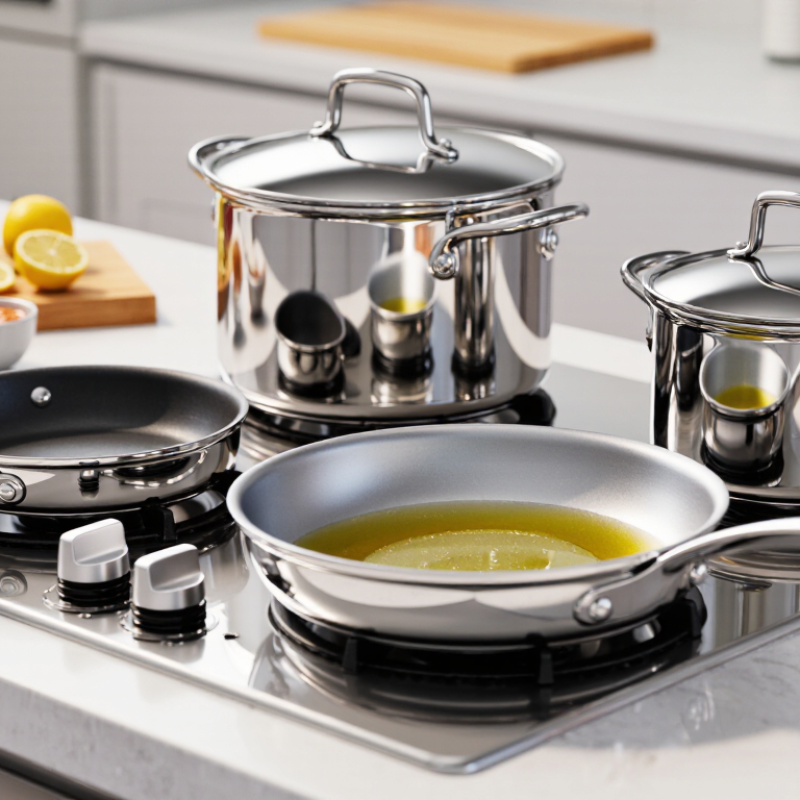
Is Stainless Steel Cookware Worth the Investment?

What Stainless Steel Cookware Is and How It Works

Stainless steel cookware is made from iron, chromium, and other metals. Chromium creates a thin protective surface that resists rust and food reactions. The cooking surface is durable, nonporous, and usually free from synthetic coatings. It does not provide perfect heat distribution by itself. That matters.

Many well-made pans use multiple metal layers. An aluminum or copper core spreads heat beneath the steel surface. The steel holds its shape and transfers heat to the food. On a burner, energy moves from the base through these layers. Food then cooks through direct contact with the heated surface.

Temperature control is the main skill. I preheat the pan over medium heat, then add a small amount of oil. A water drop should glide briefly instead of disappearing instantly. Dry meat also releases more easily after its surface develops a crust. Thin foods can still stick, especially when the pan is too cool. I occasionally overheat mine, and the rainbow stains remind me to slow down. Those marks are usually cosmetic, but harsh scrubbing can dull the finish.

Stainless steel works well for searing, sautéing, and pan sauces. It can tolerate high oven temperatures, although handles and lids need separate checking. Let the pan cool before washing it. Sudden temperature changes may warp some cookware. A little residue may require soaking rather than force. The investment is worthwhile when you value longevity, responsive technique, and versatile cooking. It is less convincing if you want effortless, no-stick performance every time.

Is Stainless Steel Cookware Worth the Investment?

What stainless steel cookware is and how it works

Stainless steel is durable, corrosion-resistant, and generally easy to maintain, but it conducts heat less efficiently than aluminum or copper. For this reason, many stainless steel pans use an aluminum or copper core between stainless-steel layers. The outer stainless-steel surface provides strength and a non-reactive cooking area, while the core spreads heat more quickly and evenly.

Values are approximate thermal conductivity figures at room temperature, measured in watts per meter-kelvin (W/m·K). Actual performance depends on alloy composition, pan thickness, construction, burner size, and contact with the cooking surface.

Key Benefits: Durability, Safety, and Versatility

Stainless steel cookware can justify its price when daily cooking demands dependable performance. Its strong surface resists dents, scratches, and rust better than many cheaper materials. With proper care, one pan may remain useful for years. I have used stainless steel for searing vegetables, simmering soup, and browning chicken. It handles high heat well and does not easily absorb odors or flavors.

Tips

Preheat the pan gently, then add oil before the food. This reduces sticking. Let browned food release naturally. Avoid sudden temperature changes, which may warp thinner cookware. Clean stubborn marks with warm water and a non-abrasive sponge. Do not rely on harsh scouring every time. Small habits matter.

Safety is another practical advantage. Quality stainless steel is nonporous, so it does not trap food residue easily when cleaned correctly. It also avoids coatings that can peel when overheated. However, no cookware is completely risk-free for every person. Individuals with specific metal sensitivities should check the material composition and seek professional medical advice when necessary. Stainless steel works on gas, electric, and many induction cooktops. Some pieces can move from stovetop to oven, but handles and lids must be checked carefully. It is versatile, though not flawless. Eggs may stick, and heat distribution can vary between constructions. I sometimes choose a lower temperature than expected, because rushing usually creates a darker crust and more cleanup.

Common Drawbacks: Heat Control, Weight, and Maintenance

Stainless steel cookware can be a long-term investment, but its drawbacks become obvious during daily cooking. Heat control is the main challenge. The metal responds more slowly than aluminum or copper. A pan may look moderately warm while its surface is already too hot. I have seen chicken stick within seconds after the oil began shimmering. Lowering the burner helps, but the temperature does not change immediately. This delay can burn garlic, eggs, or delicate fish.

Weight also matters. A thick stainless steel pan feels stable, yet lifting it with one hand becomes tiring. Moving it from the stovetop to the oven can strain a wrist, especially when food and liquid are inside. Maintenance is manageable, though rarely effortless. Water spots, browned oil, and cloudy mineral marks appear quickly. Scrubbing removes them, but aggressive cleaning can leave fine scratches. I sometimes choose a less attractive pan because I need to cook quickly. That choice is practical, not perfect.

Tips: Preheat gradually, then test with a few water drops. If they dance and evaporate slowly, add oil and reduce the heat slightly. Dry ingredients before they touch the surface. Use moderate heat for most tasks. Soak stuck food before scrubbing. A soft sponge and mild cleaner usually protect the finish. For stubborn residue, simmering water briefly can loosen it. Check the handle balance before buying. A pan that feels manageable empty may become awkward when full.

Is Stainless Steel Cookware Worth the Investment? — Common Drawbacks: Heat Control, Weight, and Maintenance

Cookware Construction Typical Heat Response Heat-Control Rating Approx. Weight of a 10-Inch Frying Pan Maintenance Needs Main Advantage Common Drawback
Single-layer stainless steel Heats quickly but unevenly; hot spots are more likely. Low Approximately 1.0–1.6 kg (2.2–3.5 lb) Usually easy to wash, but discoloration and stuck food may require soaking or polishing. Lower purchase cost and relatively light handling. Poorer temperature uniformity, especially on high heat.
Stainless steel with an aluminum base The aluminum disk improves heat distribution across the base. Medium Approximately 1.2–1.9 kg (2.6–4.2 lb) Routine washing is simple; burnt-on residue may need a non-abrasive cleaner. A practical balance between price, weight, and heat distribution. The cooking surface may still react less evenly than fully clad designs.
Three-layer fully clad stainless steel The aluminum or copper core spreads heat through the base and sidewalls. High Approximately 1.5–2.4 kg (3.3–5.3 lb) Durable and non-reactive, but food can stick if the pan is not preheated and lightly oiled. Good temperature stability and versatility for searing, sautéing, and pan sauces. Heavier and typically more expensive than single-layer cookware.
Five-layer fully clad stainless steel Very even heating with greater thermal mass and slower temperature changes. High Approximately 1.8–2.8 kg (4.0–6.2 lb) Resists corrosion and staining, but heavier construction can make hand washing less convenient. Excellent heat retention and stability for demanding cooking tasks. Greater weight, slower response to burner adjustments, and higher cost.
General stainless steel considerations Stainless steel itself is less thermally conductive than aluminum or copper, so construction matters. Depends on construction Weight varies substantially with diameter, wall thickness, and cladding. Can develop rainbow-colored heat stains, mineral spots, or bonded food without affecting basic function. Non-reactive cooking surface, strong durability, and no coating that can peel. Requires technique: moderate heat, preheating, oil, and timely cleaning reduce sticking.
Data note: Weight figures are practical ranges for empty 10-inch frying pans and vary by design, thickness, handle, and layer count. Heat-control ratings are comparative assessments based on heat distribution and responsiveness, not laboratory performance scores.

How Stainless Steel Compares With Other Cookware Materials

In daily cooking, stainless steel offers a balance of durability, control, and low maintenance.

It does not react easily with acidic foods, such as tomatoes or citrus-based sauces. Its surface also tolerates metal utensils and high oven temperatures. With proper care, one pan can remain useful for many years.

Nonstick cookware releases eggs and pancakes more easily, especially for beginners.

However, its coating can wear from overheating, abrasive cleaning, or rough utensils.

Stainless steel requires more attention, but it can create better browning on meat and vegetables.

That flavor is noticeable. I still misjudge the heat sometimes. Food sticks when the pan is cold, wet, or overheated.

Cast iron holds heat longer than stainless steel and performs well for searing.

It is heavier, though, and needs drying and seasoning to reduce rust risk. Carbon steel heats faster and becomes naturally slick with regular seasoning.

Copper responds to temperature changes quickly, but it usually costs more and needs a compatible lining. Ceramic-coated cookware feels smooth and attractive, yet its coating may lose performance over time.

Stainless steel is not perfect.

Its handles can become hot, and thin construction may create uneven heating. A thick, multi-layer design usually distributes heat more reliably.

In my experience, preheating the pan briefly, adding oil, and waiting before turning food prevents most sticking.

Cleanup still takes effort. That trade-off may matter more than appearance.

Factors to Consider Before Buying Stainless Steel Cookware

Is Stainless Steel Cookware Worth the Investment?

Factors to Consider Before Buying Stainless Steel Cookware

Stainless steel cookware can last for many years, but construction matters more than a shiny finish. Look for a thick, multi-layer base that spreads heat evenly. A pan with poor heat distribution may scorch onions in one spot while leaving another nearly raw. Food-grade stainless steel is generally durable and resistant to rust. However, steel grade alone does not guarantee good performance. Check the base, handle attachment, lid fit, and overall weight before buying.

Your cooking habits should guide the choice. Stainless steel works well for searing meat, reducing sauces, and deglazing browned bits. It can also handle high oven temperatures, if the handles and lid are oven-safe. Eggs and delicate fish require better heat control and enough cooking fat. I still overheat a pan sometimes. That mistake creates stubborn residue and wastes time. Preheating gradually, then adding oil, usually reduces sticking. Induction users should confirm magnetic compatibility, rather than relying on appearance.

Maintenance affects the real value. Most stainless steel pans tolerate regular washing, but abrasive tools can leave visible scratches. Handles should feel secure, not loose or sharply joined. A heavy pan may retain heat well, yet become tiring during daily cooking. People with nickel sensitivity should review the material details and seek professional guidance when necessary. Compare warranty terms and replacement costs too. The cheapest set may contain unnecessary pieces, while one reliable skillet could serve more often.

FAQS

What is stainless steel cookware made from?

It usually combines iron, chromium, and other metals. Chromium forms a thin surface layer that resists rust and food reactions.

Does stainless steel heat food evenly?

Not by itself. Many pans use aluminum or copper layers beneath the steel to spread heat more evenly.

How can I reduce food sticking?

Preheat the pan gradually over medium heat. Add oil after water drops glide briefly across the surface. Dry ingredients help too.

Why does meat sometimes stick to the pan?

The pan may be too cool, too hot, or the meat may be wet. Wait for a crust to develop before turning it.

What foods suit stainless steel cookware?

It works well for searing meat, sautéing vegetables, and making pan sauces. Browning can add a deeper flavor.

What are the main disadvantages?

Heat changes can feel slow, and the cookware may be heavy. Eggs and delicate fish require extra attention. They still stick sometimes.

How should I clean stainless steel cookware?

Let the pan cool before washing it. Soak stuck residue, then use a soft sponge and mild cleaner.

Are rainbow stains and water marks serious problems?

They are usually cosmetic. Harsh scrubbing may dull the finish, so gentle cleaning is the safer choice.

How does stainless steel compare with nonstick cookware?

Stainless steel usually offers stronger browning and longer service. Nonstick cookware releases eggs more easily, especially for beginners.

What should I check before buying a stainless steel pan?

Look for multiple metal layers and a balanced handle. Remember, a pan that feels light empty may feel awkward when full.

Conclusion

Stainless steel cookware is made from a durable, nonreactive metal that can withstand high temperatures and frequent use. Its strong construction, resistance to rust, and lack of chemical coating make it a safe and versatile choice for searing, sautéing, boiling, and oven cooking. It also offers long-term value because it does not easily chip or wear out. However, stainless steel can be slower to heat evenly than some alternatives, and it may require careful temperature control to prevent food from sticking. Its weight and need for prompt cleaning can also be drawbacks for some users.

When compared with nonstick, cast iron, and aluminum cookware, stainless steel provides a practical balance of durability, safety, and flexibility, though each material has different strengths. Before buying, consider the cookware’s construction, thickness, handle design, compatibility with your cooktop, weight, maintenance needs, and budget. Ultimately, is stainless steel cookware worth the investment depends on whether you value long-lasting performance and versatility more than effortless release and lightweight handling.

Henry

Henry

Henry is a dedicated marketing professional with a profound expertise in the company's offerings. With years of experience in the industry, he possesses an impressive understanding of the market dynamics and consumer behaviors that drive success. Henry is committed to sharing his insights through......