Maintaining stainless steel cookware is vital for ensuring its longevity and performance. Chef Laura Stevens, a renowned culinary expert, emphasizes, "Proper care extends the life of your cookware and enhances your cooking experience." Knowing how to maintain stainless steel cookware for long term use can save you money and keep your kitchen tools in great shape.
Everyday usage can lead to scratches, discoloration, and stains on stainless steel surfaces. It's essential to clean them properly after each use. Utilize a gentle sponge and avoid harsh chemicals. Regular maintenance helps prevent buildup, which can be hard to remove. A simple practice like drying your cookware right after washing can prevent water spots.
Despite these tips, some users still find their cookware looking worn. Reflecting on your maintenance routine is crucial. Are you using extreme heat? Are you storing your pans properly? By making small adjustments, you can enhance their durability. Remember, knowing how to maintain stainless steel cookware for long term use is not just about cleaning; it's about cultivating the right habits.
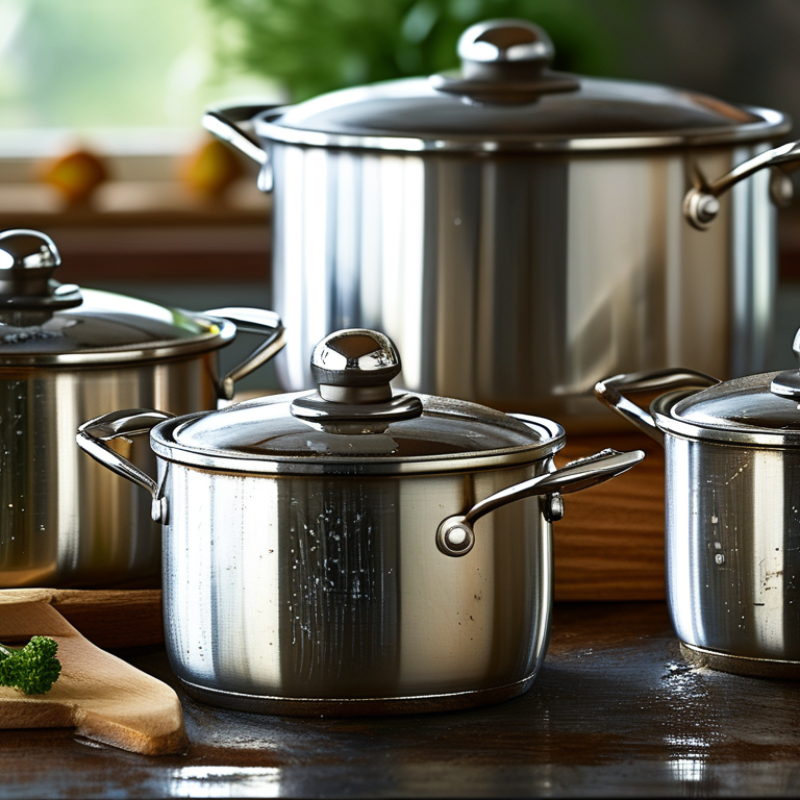
Stainless steel cookware is favored by many chefs for its durability and resistance to corrosion. Understanding the properties of stainless steel can help users appreciate its advantages. Stainless steel is a non-reactive material, meaning it won’t leach chemicals into your food. This quality ensures that your cooking remains healthy and flavors stay true.
Another key property is its exceptional heat conductivity. Stainless steel often features an aluminum or copper core, enhancing cooking performance. However, it is essential to manage heat levels wisely. Too high temperatures can lead to food sticking, which can be frustrating for any cook. Beginners might find it challenging to master this aspect initially, but practice is essential.
Cleaning stainless steel requires specific techniques to avoid scratches and tarnishing. A gentle scrub with soapy water typically does the job. While many may resort to abrasive cleansers, these can damage the surface. It's a learning curve to find the right cleaning routine that ensures longevity. A little diligence in maintenance can significantly extend the life of your cookware.
: Stainless steel cookware is durable and resistant to corrosion. This enhances its longevity and performance in the kitchen.
High heat can cause food to stick, creating frustration. Managing heat levels wisely is crucial for better results.
Use warm, soapy water and a soft sponge. Avoid abrasives to keep the surface scratch-free and shiny.
A baking soda and water paste can help. Apply it gently and rinse thoroughly after scrubbing for best results.
White vinegar cleans and restores shine. Heat it in the pan, then wipe after cooling to help dissolve stubborn stains.
Yes, even high-quality cookware can show wear and tear. Regular maintenance is key, but don’t be discouraged by challenges.
Avoid using harsh scrubbers, as they can scratch the surface. Gentle cleaning techniques are better for maintaining its appearance.
Regularly polish your cookware with a vinegar and olive oil mixture. Patience is essential as achieving the perfect shine takes time.
Always dry your cookware immediately with a towel. This helps prevent water spots and keeps your cookware looking great.
Learning the right techniques takes time. Don’t be discouraged by mistakes; they’re part of improving your cooking experience.
Stainless steel cookware is a popular choice for many kitchens due to its durability and aesthetic appeal. To understand how to maintain stainless steel cookware for long term use, one must first appreciate its properties and advantages. Essential cleaning techniques include using mild detergents and avoiding abrasive materials that can scratch the surface. To prevent stains and discoloration, it is crucial to avoid cooking at excessively high temperatures and to promptly clean spills.
Proper storage methods, such as stacking with separators or hanging, can help avoid scratches and damage. Additionally, maintaining the shine of stainless steel cookware involves regular polishing with non-abrasive cleaners. By following these guidelines, you can ensure the longevity and pristine condition of your stainless steel cookware, ultimately enhancing your cooking experience.

