Stainless steel cookware is a popular choice among chefs and home cooks alike. However, one common challenge faced is food sticking to the surface. According to a study by the American Culinary Federation, up to 70% of culinary professionals report experiencing this issue. Understanding how to prevent food from sticking to stainless steel cookware is essential for optimal cooking results.
Chef John Doe, a leading expert in culinary techniques, emphasizes, "Proper heating and seasoning are key to a non-stick experience." His insights reflect the importance of technique in the kitchen for achieving desirable cooking outcomes. Experimentation is crucial, as not every method works for every individual.
Moreover, selecting the right cookware and maintaining it properly can significantly affect cooking performance. It’s important to acknowledge that even seasoned chefs occasionally struggle with sticking food. Embracing these challenges can pave the way for learning and mastering the art of cooking with stainless steel.
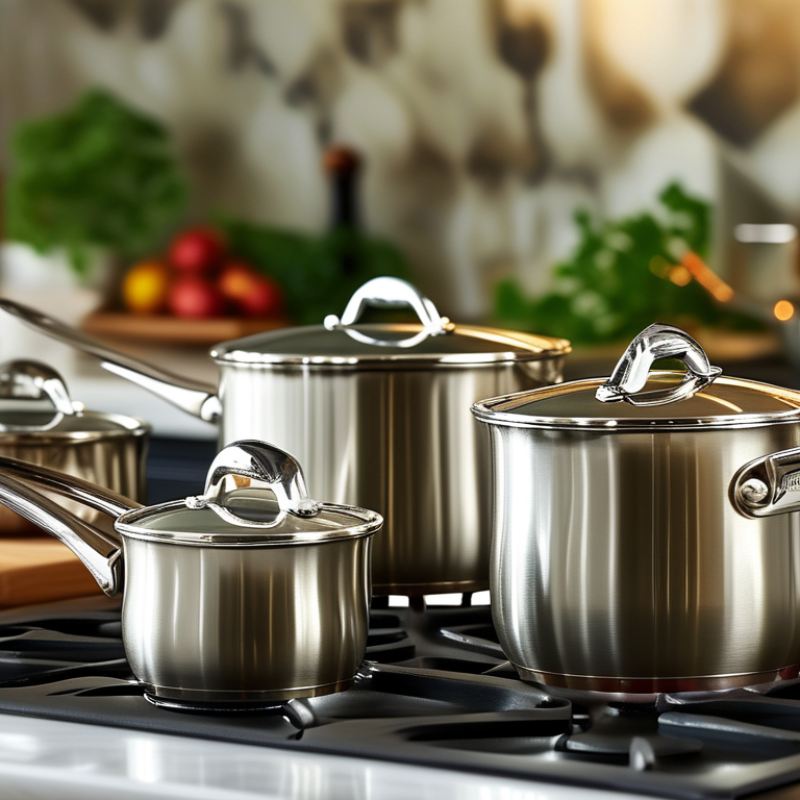
Stainless steel cookware has become a kitchen staple due to its durability and aesthetic appeal. Understanding the properties of stainless steel is crucial for optimal cooking experiences. Stainless steel is a poor conductor of heat on its own. Adding aluminum or copper layers enhances heat distribution, preventing hot spots. This is vital when cooking delicate foods.
Many home cooks struggle with food sticking to stainless steel surfaces. Studies show that the sticking issue often arises from improper heating. Preheating the pan correctly is essential. The ideal temperature for non-stick cooking lies between 325°F and 475°F, depending on the food type. When a pan is preheated adequately, proteins in food can create a temporary barrier, reducing sticking.
Cleaning stainless steel cookware is another factor that affects its performance. Any residue left behind can lead to food sticking during future uses. Using the right cleaning methods is critical. Abrasive cleaners might scratch the surface, creating tiny grooves that trap food particles. Adopting gentle cleaning techniques ensures longevity and effective cooking. Reflecting on these principles can significantly improve cooking outcomes.
| Tip | Description | Benefits |
|---|---|---|
| Preheat the Cookware | Heat the stainless steel pan for a few minutes before adding oil or food. | Creates a natural non-stick surface as the metal expands. |
| Use the Right Amount of Oil | Add enough oil to coat the bottom of the pan evenly. | Prevents sticking and enhances food flavor. |
| Choose the Right Temperature | Cook at medium heat and adjust as necessary. | Ensures even cooking and reduces sticking. |
| Avoid Overcrowding | Cook in smaller batches instead of crowding the pan. | Allows food to sear properly and prevents moisture buildup. |
| Let Food Release Naturally | Avoid forcing food to move; it will release when it's ready. | Reduces damage to the food and cookware. |
: Preheat the pan before cooking. A hot surface helps create a barrier.
A thin layer of oil can significantly reduce sticking. Wait for it to shimmer before adding food.
Overcrowding creates steam, which leads to sticking. It's best to cook in smaller batches.
No, resist the urge to force it. Let it cook longer; it may release naturally.
Proteins like chicken need time to form a crust. Restrict movement until ready.
Clean immediately after use. Soak in warm soapy water for tougher residues.
A non-abrasive cleaner works well. Baking soda mixed with water can be effective.
Always dry your stainless steel cookware thoroughly after washing.
High heat can discolor stainless steel. Monitor the cooking temperature closely.
Yes, use wooden or silicone utensils to reduce scratches, preserving your cookware.
To effectively learn how to prevent food from sticking to stainless steel cookware, it is essential to first understand the properties of stainless steel. This type of cookware is known for its durability and resistance to corrosion, but it can be prone to food sticking if not used correctly. Choosing the right type of oil is crucial; opt for oils with higher smoke points to enhance non-stick performance.
Preheating the cookware adequately before adding food is another important step. This helps create a natural barrier that reduces sticking. Additionally, employing proper cooking techniques, such as allowing food to sear properly before flipping or stirring, can significantly minimize sticking issues. Finally, maintaining and cleaning your stainless steel cookware properly will ensure its longevity and improve its non-stick capabilities over time.

