Why is My Stainless Steel Cookware Discoloring Solutions?

Time:2026-07-12 Author:Henry
0%

Stainless steel cookware is known for its durability and aesthetic appeal. However, many home cooks often wonder, "why is my stainless steel cookware discoloring?" Renowned culinary expert Chef Maria Lopez states, “Discoloration is a common issue, but it doesn't mean your cookware is damaged.” This insight reflects the frequent concerns of users, ranging from faint rainbow hues to dark spots.

The discoloration can result from cooking methods, temperature, or even reactions with certain foods. For instance, high heat can create a blue or purple tint, especially when oils break down. Some may feel frustrated with these changes, questioning their cooking techniques and care practices. It's essential to understand that while these changes can be unsightly, they are often easily removable.

Cleaning solutions vary but typically involve common kitchen staples. Vinegar, baking soda, or specialized cleaners can restore your cookware’s shine. Nevertheless, vigilance is crucial. Regular maintenance can prevent further discoloration. Each mark can serve as a reminder of culinary adventures, inviting reflection on cooking practices.
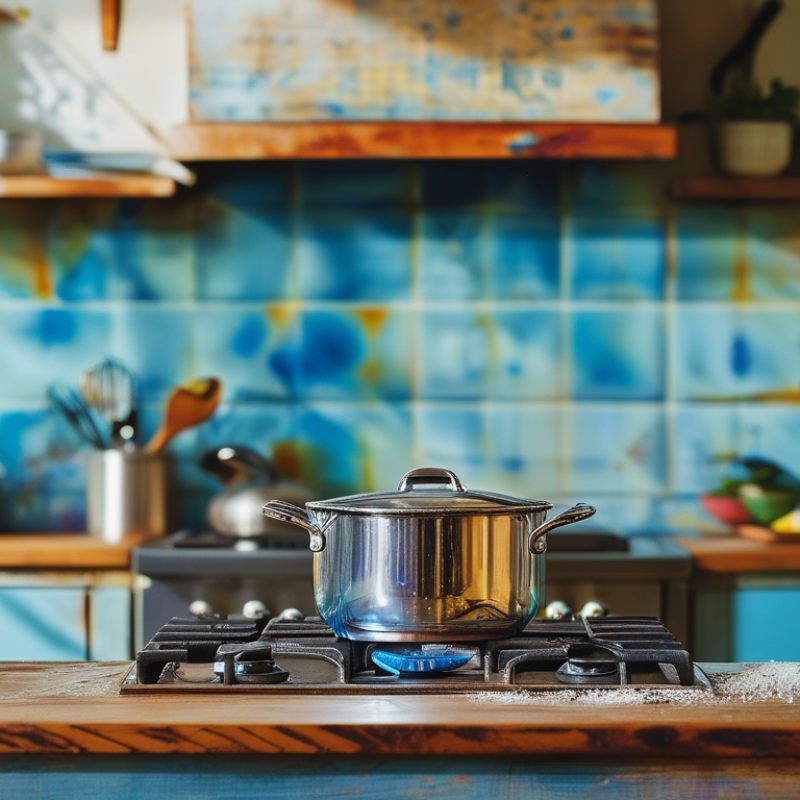
Why is My Stainless Steel Cookware Discoloring Solutions?

Understanding Discoloration in Stainless Steel Cookware

Stainless steel cookware is prized for its durability and resistance to rust. However, discoloration can occur over time, often due to heat exposure or chemical reactions. High-heat cooking can lead to rainbow-like stains. They are usually harmless, but they can be unsightly. Understanding where these stains come from can help in maintaining your cookware.

One common cause of discoloration is food residue. Acidic foods can react with stainless steel, leaving behind stains. Using metal utensils may also scratch the surface, leading to oxidation and discoloration. Be mindful of how you use your cookware. Always clean it properly after cooking. A gentle scrub with baking soda can often restore its original shine.

Another factor to consider is the quality of your water. Hard water contains minerals that can cling to cookware, causing spots and tarnishing. Regular maintenance of your cookware can help minimize these effects. Consider using distilled water for cooking when possible. Keeping your stainless steel cookware clean and dry is essential for preserving its beautiful surface.

Common Causes of Stainless Steel Cookware Discoloration

Discoloration of stainless steel cookware can occur for several reasons. One common cause is overheating. When the cookware is subjected to high temperatures for too long, it can develop a rainbow effect. This is merely a cosmetic issue. However, it can be frustrating.

Another reason is the interaction with certain acidic or alkaline foods. Tomatoes and citrus can leave a mark on the cookware. Even some cleaning agents can contribute to discoloration. Using harsh chemicals may not always yield the best results.

Tips: Always use medium to low heat when cooking. This prevents burning and retains your cookware’s shine. After cooking, avoid soaking your pans in sauce or liquid. Instead, clean them promptly. Use a gentle cleaner or a mixture of baking soda and water for tough stains.

In some instances, minerals in water can cause spots. This is especially true in hard water areas. You might notice patches that are hard to remove. Regular maintenance is key. Clean them thoroughly, and they’ll maintain their look for longer.

Effective Cleaning Techniques for Discolored Stainless Steel

Discoloration in stainless steel cookware can arise from various sources. Common culprits include heat exposure, mineral deposits, and food residues. When these factors combine, they can leave unsightly marks on your beloved pots and pans. According to recent industry reports, nearly 70% of home cooks experience some form of discoloration in their stainless steel cookware.

Effective cleaning techniques can restore the shine and integrity of your cookware. One popular method is using a paste made from baking soda and water. Apply it to the discolored areas, let it sit for about 15 minutes, and then gently scrub with a soft cloth. This method is not only cost-effective but also environmentally friendly. For stubborn stains, a mixture of vinegar and water can work wonders. The acidity helps lift the tarnish while being gentle on the surface.

**Tips:** For routine maintenance, wash your cookware with mild soap after each use. Avoid abrasive materials that can scratch the surface. Always dry your cookware immediately to prevent water spots. Despite these precautions, life happens. A few stains here and there are a reminder of your culinary adventures. Reflecting on how they arrived is key to effective cleaning for the future.

Preventive Measures to Maintain Your Cookware's Appearance

Stainless steel cookware is prized for its durability and aesthetic appeal. However, discoloration can occur over time, affecting its look. To maintain the pristine appearance, implementing preventive measures is crucial. Regular cleaning is essential. After each use, wash your cookware with warm, soapy water. Use a non-abrasive sponge to avoid scratching the surface.

Avoid cooking at excessively high temperatures. This can lead to discoloration and can affect food quality. When heating, start at a lower flame and increase gradually. For stubborn stains, a paste of baking soda and water can work wonders. Apply it gently, then rinse thoroughly. However, not every method will work perfectly for every stain.

Proper storage also plays a role. Stack your cookware carefully to prevent scratches. Use paper towels or cloth between pieces to protect them. Additionally, avoid storing food in them for long periods. Metal can react with certain foods, leading to discoloration. Reflecting on these practices can help preserve your cookware’s appearance. It requires diligence, but the results are worth it.

Why is My Stainless Steel Cookware Discoloring Solutions? - Preventive Measures to Maintain Your Cookware's Appearance

Discoloration Type Cause Preventive Measure Recommended Cleaning Method
Rainbow Streaks High heat and oil residues Use moderate heat and avoid overheating Clean with a mixture of baking soda and water
Pitting and Corrosion Acidic foods left in contact Avoid prolonged contact with acidic substances Use a vinegar solution to clean
Burnt Food Residue Cooking at high temperatures without sufficient oil Always use adequate oil while cooking Soak in warm soapy water before scrubbing
Darkening Natural oxidation process Regularly polish with stainless steel cleaner Use a soft cloth and stainless steel cleaner
Stains from food Certain food pigments Clean immediately after use Use a non-abrasive cleaner and sponge

When to Replace Your Discolored Stainless Steel Cookware

Discoloration in stainless steel cookware often leads to tough decisions. When should you consider replacing your beloved pots and pans? Experts suggest observing the severity of the discoloration.

If your cookware has become a mottled brown or rainbow-like hue, replacement might be necessary. This discoloration can result from overheating or chemical reactions with certain foods. If the surface feels rough or pitted, it may affect cooking performance.

Consider safety too. Scratches and deep stains can harbor bacteria, making replacement a wise choice.

In some cases, a good cleaning can restore your cookware’s shine. However, if the discoloration persists despite your efforts, it may be time to invest in new pieces. High-quality stainless steel should last years, but wear and tear happens. Look for any unusual smells or flavors in your food. These can signal it’s time for a change. Regularly assess your cookware, and don’t hesitate to let go of what no longer meets your standards.

FAQS

: Why does stainless steel cookware discolor?

: Discoloration often occurs due to heat exposure or chemical reactions with food.

Can food residue cause stains on stainless steel?

Yes, acidic foods can react with stainless steel, leaving behind stains.

What should I use to clean my cookware?

Use warm, soapy water and a non-abrasive sponge to clean it gently.

How can I remove stubborn stains from stainless steel?

A paste of baking soda and water can help. Apply gently, then rinse.

Does water quality affect cookware appearance?

Yes, hard water can leave minerals on the surface, causing spots and tarnishing.

Is high-heat cooking bad for stainless steel?

Cooking at high temperatures can lead to discoloration and affect food quality.

How can I prevent scratches on my cookware?

Stack cookware carefully and use cloth or paper towels between pieces.

Should I store food in stainless steel cookware?

Avoid storing food long-term as metal can react with certain ingredients.

What is one key to maintaining my cookware's appearance?

Regular cleaning and careful storage are essential to preserve its look.

Are there perfect solutions for all stains?

No, not every cleaning method works perfectly for every stain. Consider alternatives.

Conclusion

When wondering "why is my stainless steel cookware discoloring," it's essential to understand the common causes that lead to this issue, such as overheating, chemical reactions with certain foods, or improper cleaning techniques. Discoloration can manifest as rainbow hues, blotchy spots, or a dull surface, which can be the result of heat exposure or minerals in water.

To combat and clean discolored stainless steel cookware effectively, gentle abrasive cleaners and natural solutions like vinegar or baking soda can be employed. Preventive measures, such as cooking on low to medium heat and ensuring thorough cleaning after use, can help maintain the cookware's original appearance. Ultimately, if discoloration persists despite these efforts, it may be time to consider replacing the cookware for both aesthetic and functional reasons.

Henry

Henry

Henry is a dedicated marketing professional with a profound expertise in the company's offerings. With years of experience in the industry, he possesses an impressive understanding of the market dynamics and consumer behaviors that drive success. Henry is committed to sharing his insights through......