When considering the longevity of stainless steel cookware, many wonder, "how long does stainless steel cookware last?" Expert chef and cookware specialist, Sarah Thompson, notes, "Quality stainless steel can endure for decades if properly cared for." This perspective emphasizes not just durability, but the importance of maintenance.
Stainless steel cookware is renowned for its robust nature. It resists rust and corrosion, making it a popular choice in kitchens. However, its lifespan largely depends on usage and care. For instance, frequent exposure to high heat and certain cleaning agents can affect its longevity. A well-maintained pot can last upwards of 30 years, while neglect may shorten that time significantly.
Moreover, buyers often face a dilemma: invest in quality cookware or settle for cheaper options. The choice between durability and affordability raises questions about long-term value. Reflecting on such considerations helps consumers make informed decisions, ultimately affecting their culinary experiences. Understanding the real durability of stainless steel cookware can reshape how we view our kitchen investments.
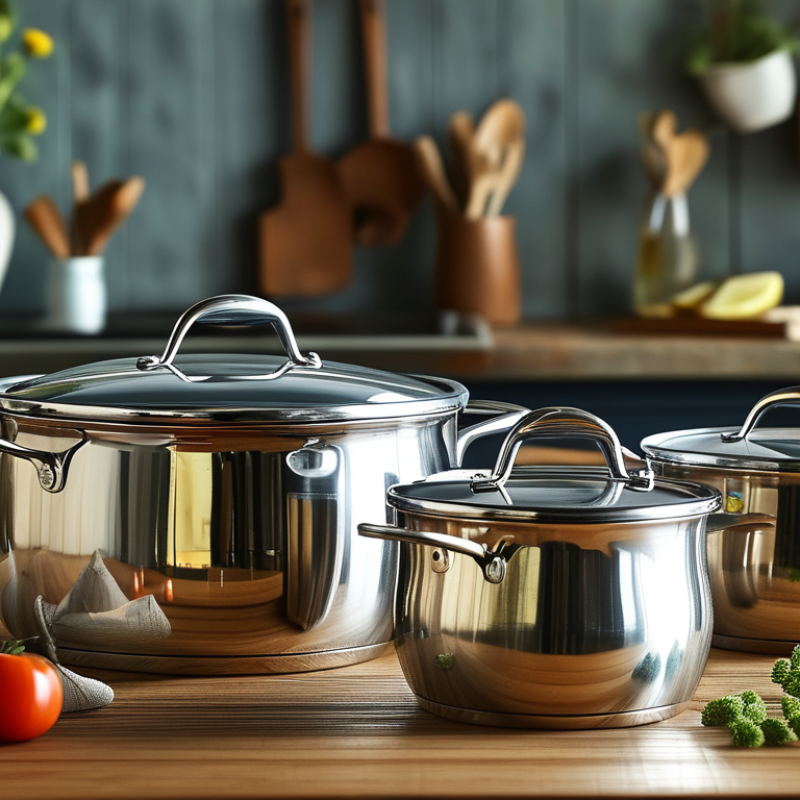
Factors Influencing the Longevity of Stainless Steel Cookware
Stainless steel cookware is renowned for its durability. However, its longevity relies on several factors. The quality of the stainless steel, the thickness of the material, and how the cookware is cared for all significantly influence its lifespan. Thinner cookware may warp or lose heat efficiency faster than thicker options.
Using stainless steel correctly is essential. This includes preheating the pan before adding oil or food. It’s also important to avoid using metal utensils, as they can scratch the surface. Protecting your cookware from scratches will help maintain its aesthetic and functionality. Keep an eye out for any signs of wear.
Tips for better care include hand washing with mild detergent. This prevents harsh chemicals from degrading the material. Always dry the cookware immediately to avoid water spots. Avoid sudden temperature changes, which can cause warping. Regularly check for any discoloration; this can indicate overheating. Such small measures can significantly prolong the life of your stainless steel cookware.
Common Signs of Wear and Tear in Stainless Steel Cookware
Stainless steel cookware is known for its durability, but it isn't indestructible. Common signs of wear and tear can help you identify when it’s time to replace your pots and pans. Scratches, discoloration, and warped surfaces signal that your cookware may be losing its effectiveness. According to a report from the Cookware Manufacturers Association, over 80% of stainless steel cookware lasts about 15 years with proper care. However, neglect can lead to premature wear.
Discoloration often occurs from high heat or acidic foods. This can affect the appearance but usually doesn't impact the cooking quality. A warped surface will compromise even cooking. If your pot or pan doesn’t sit flat on the burner, it is time to consider a replacement. Small dents and scratches can harbor bacteria, making them a hygiene concern in your kitchen.
**Tip:** Handle your stainless steel cookware with care. Use wooden or silicone utensils to prevent scratches.
Regularly assess your cookware for signs of wear. If you notice a decline in its performance, ask yourself: is it worth using? Maintaining your equipment is vital for safe cooking and longevity.
**Tip:** Clean your cookware with a mixture of vinegar and water to maintain its shine and durability.
Longevity of Stainless Steel Cookware
This chart illustrates the longevity of stainless steel cookware based on user experience. As the years of use increase, the number of users experiencing wear and tear diminishes, indicating that proper care can significantly extend the lifespan of stainless steel cookware.
Maintenance Tips to Extend the Life of Stainless Steel Cookware
Stainless steel cookware can last a lifetime with proper maintenance. Experts suggest that regular cleaning and mindful use can significantly extend their longevity. According to the Cookware Manufacturers Association, stainless steel products typically last 20 years or more when cared for properly.
To boost durability, avoid using abrasive sponges which can scratch the surface. Instead, a soft cloth or sponge works well. For tough stains, baking soda mixed with water creates a natural cleaner that is effective. Remember, overheating can warp the metal, so keep the heat to medium or low settings after preheating.
Storage is also crucial. Stack cookware carefully to prevent scratches. Hanging pots may be an option if space allows. This prevents nesting and gives each piece room to breathe. While stainless steel is known for its resilience, no cookware is invincible. Regular checks for signs of wear or discoloration can help catch issues early. Each little effort compounding into significant results over time.
Comparing Lifespan: Stainless Steel vs. Other Cookware Materials
When considering the lifespan of stainless steel cookware, it’s essential to compare it with other materials.
Stainless steel often lasts longer than non-stick pans, which can wear out in a few years. On the other hand,
cast iron pieces may last a lifetime if properly cared for. Each material has its pros and cons based on usage,
maintenance, and cooking style.
Stainless steel is durable and
resistant to rust and staining. However, it can scratch and dent, impacting its appearance. In contrast,
non-stick cookware can peel or chip, affecting food release. Although less durable, non-stick options are great
for low-fat cooking. Cast iron offers excellent heat distribution but requires seasoning. It's heavy and
not ideal for everyone.
Tips: Always use wooden or silicone
utensils with stainless steel to prevent scratches. Clean your cookware promptly to avoid stains. For all types,
check for warranties or manufacturer care advice for longevity. Understand that even with care, cookware can
show wear over time. Regular maintenance is crucial for the lifespan of any cooking tool.
When to Consider Replacing Your Stainless Steel Cookware
Stainless steel cookware is known for its durability and resistance to rust. However, even the best cookware has a lifespan. It's essential to know when signs indicate it's time for a replacement.
Look for discoloration or staining that doesn't come off with regular cleaning. Scratches can also appear, affecting both the appearance and performance of the cookware. If your stainless steel pots or pans start to warp, they may not heat evenly. This can lead to cooking issues.
Another crucial factor is the condition of the handle. If it feels loose or is showing signs of wear, it can pose a safety risk. Regularly inspect your cookware for these signs. If you notice substantial wear, consider investing in a new set. Assessing your cookware regularly ensures that your kitchen remains both safe and efficient.
How Long Does Stainless Steel Cookware Really Last? - When to Consider Replacing Your Stainless Steel Cookware
| Cookware Type |
Average Lifespan (Years) |
Signs of Wear |
Tips for Maintenance |
| Stainless Steel Skillet |
10-15 |
Scratches, Discoloration |
Avoid using metal utensils, clean with non-abrasive sponges |
| Stock Pot |
15-20 |
Warping, Rusting |
Store in a dry place, periodically check for rust |
| Saucepan |
10-15 |
Bubbling, Stains |
Use a gentle cleaner, rinse thoroughly to avoid residue |
| Roasting Pan |
15-25 |
Burn marks, Pitting |
Line with foil for easy cleanup, avoid high heat |
Conclusion
Stainless steel cookware is renowned for its durability and longevity, often prompting the question, "how long does stainless steel cookware last?" Several factors influence its lifespan, including the quality of materials used, frequency of use, and maintenance practices. Common signs of wear and tear include discoloration, warping, and difficulty in cleaning, which indicate that it's time to assess your cookware's condition.
To extend the life of stainless steel cookware, proper maintenance is essential. This includes using gentle cleaning methods and avoiding high heat for prolonged periods. When compared to other cookware materials, stainless steel typically offers a longer lifespan, making it a worthwhile investment in the kitchen. Ultimately, it’s important to recognize when to replace your stainless steel cookware to ensure consistent performance and safety in cooking.

