How Does Stainless Steel Cookware Work on Induction Cooktops?

Time:2026-08-06 Author:Charlotte
0%

Induction cooking is gaining popularity, but not everyone understands how it works. Stainless steel cookware is essential in this process. According to Martha Stewart, a renowned kitchen expert, "The right cookware can make or break your cooking experience." So, how does stainless steel cookware work on induction cooktops?

Induction cooktops use electromagnetic energy to heat cookware directly. The stainless steel must contain ferrous metals, like iron, for this to happen. This unique heating process offers precise temperature control, making cooking faster and more efficient. Users appreciate the safety features and ease of cleaning associated with induction cooking. Yet, some may wonder if all stainless steel pans are effective.

Understanding how does stainless steel cookware work on induction cooktops can help you make informed decisions. Mixing different materials can lead to uneven cooking. Not all stainless steel is created equal, and investing in high-quality pieces is wise. Cooking experiences can differ based on these factors, and ensuring compatibility is essential.
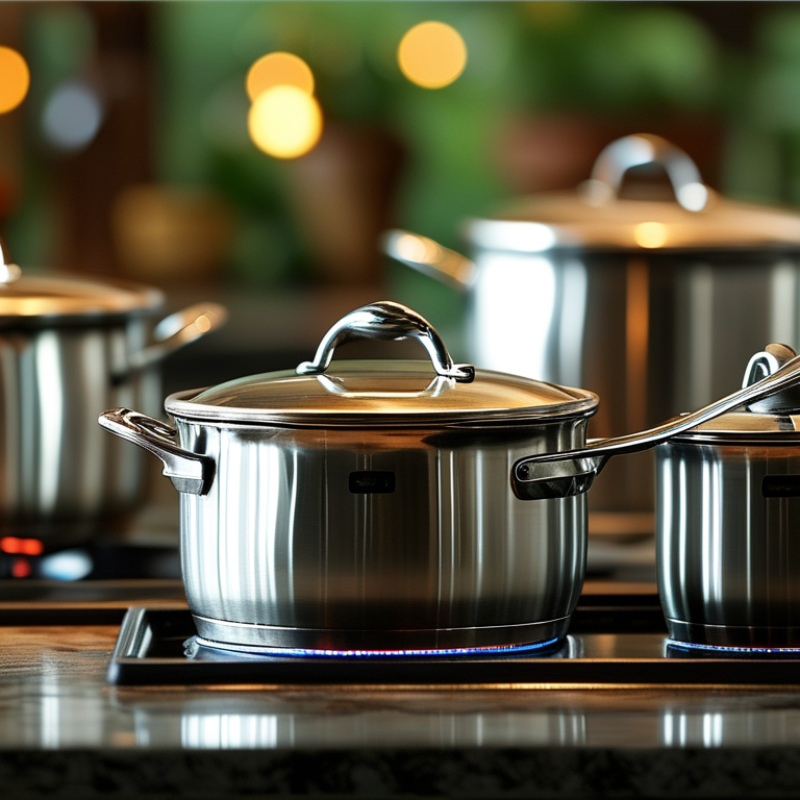
How Does Stainless Steel Cookware Work on Induction Cooktops?

Understanding Induction Cooking: A Brief Overview

Induction cooking is a modern approach to heating that relies on electromagnetic energy. When you place stainless steel cookware on an induction cooktop, the cooktop generates a magnetic field. This field directly heats the metal of the cookware, making it efficient. Unlike traditional gas or electric stoves, there is no intermediary heating element. The immediate response is quite astonishing.

Many find induction cooking intriguing yet perplexing. It is not just about the technology but also the materials used. Not all stainless steel cookware is compatible with induction. Only those made with ferrous metals will work. This requirement can be a significant limitation for those who assume their existing cookware will suffice.

While induction cooking offers speed and efficiency, it may also lead to challenges. The magnetic field can cause certain types of cookware to heat unevenly. Additionally, users need to adapt to the new cooking experience. Instead of visual cues, the heat level can be harder to gauge. Cooking times might change, requiring some experimentation. That can be frustrating, but the outcome is often a beautifully cooked meal.

The Role of Magnetic Fields in Induction Cooktops

Induction cooktops utilize the principles of magnetic fields to heat cookware, setting them apart from traditional methods. Stainless steel cookware is particularly well-suited for induction cooking. This is due to its ferromagnetic properties, which enable the magnetic field generated by the cooktop to induce heat directly within the pot or pan. Research indicates that cookware must have a magnetic base for optimal functionality on induction surfaces. According to industry data, 80% of consumers prefer cookware that is responsive and efficient on induction cooktops.

When using stainless steel cookware on induction surfaces, consider the cookware's thickness. Thicker bases deliver better heat distribution, reducing hotspots. Magnetic field strength diminishes with distance, so ensure your cookware makes full contact. Regular maintenance can improve the lifespan of your cookware. Keeping the surface clean is essential to maintain efficiency.

Tip: Always check for a magnetic response with a magnet before purchasing. It ensures compatibility with induction cooktops. Additionally, investing in high-quality stainless steel not only enhances cooking performance but also provides durability. Remember, not all stainless steel is equal; look for those labeled as induction-ready.

How Stainless Steel Conducts Heat in Induction Cooking

Stainless steel cookware is a popular choice for induction cooking. Induction cooktops work by generating an electromagnetic field. This heat source requires cookware made of ferrous materials. Pure stainless steel is not magnetic, but many stainless steel pans have a magnetic stainless steel base or aluminum core. This enhances their efficiency on induction surfaces.

Heat conduction in stainless steel depends on its composition. Typical stainless steel is an alloy of iron, carbon, and chromium. The presence of chromium allows for better heat distribution. According to a report by the American Society for Testing and Materials, stainless steel cookware can heat up 25% faster than traditional materials like aluminum. However, due to its poor thermal conductivity compared to copper, it can create hot spots.

Not all stainless steel cookware is created equal. Some manufacturers use varying alloys, which affects performance. A study by the Cookware Manufacturers Association found that cookware with a thicker base performs better on induction cooktops. If the base is too thin, food may stick. Users often find uneven cooking if the pan isn't centered on the cooktop. This crucial detail can lead to inconsistent results.

Essential Features of Stainless Steel Cookware for Induction Use

Stainless steel cookware is popular for induction cooktops. Understanding its essential features can enhance your cooking experience. Induction cooktops rely on magnetic fields to heat cookware directly. Therefore, not all stainless steel is suitable for induction. Look for cookware with a magnetic base. A simple magnet test can help determine if your cookware is induction-compatible.

Before purchasing, check the construction of the stainless steel. Multi-layered designs provide better heat distribution, reducing hot spots. This is crucial for even cooking. Some stainless steel cookware may warp over time, particularly if not cared for properly. Choose options with a sturdy bottom to avoid this issue.

Tips: Ensure the cookware is dishwasher-safe for easy cleaning. Also, consider ergonomics. Handles should be comfortable and heat-resistant. Some users find certain handles too hot to touch after cooking. Pay attention to these details, as they impact usability. Lastly, always verify the warranty. A good warranty reflects the manufacturer’s confidence in their product.

Essential Features of Stainless Steel Cookware for Induction Use

Comparing Stainless Steel Cookware with Other Induction-Compatible Materials

Stainless steel cookware is popular among home cooks for its durability and sleek appearance. When used on induction cooktops, it performs well because induction heating requires magnetic materials. While stainless steel itself is not magnetic, many stainless steel products have a layer of magnetic material that allows them to work effectively on these cooktops.

Comparing stainless steel with other induction-compatible materials reveals distinct advantages and drawbacks. Cast iron cookware, for instance, retains heat exceptionally well, but it is heavy and can take longer to heat up. Non-stick pans are easy to clean and handle, but they may not support high heat cooking as efficiently as stainless steel. Each material has its strengths, but stainless steel strikes a balance between versatility and performance.

Tips to consider: Always check if your stainless steel cookware is labeled as induction-compatible. This ensures that the base contains the right magnetic materials. Maintaining your cookware properly can enhance its lifespan. For instance, avoid using metal utensils that scratch the surface. Reflect on your cooking habits. Do you prefer searing meats? Stainless steel cookware can give you that perfect browning.

FAQS

: What is induction cooking?

: Induction cooking uses electromagnetic energy to heat cookware directly, unlike traditional stoves.

Which cookware works with induction cooktops?

Only stainless steel cookware made with ferrous metals is compatible with induction cooktops.

Why is not all stainless steel cookware suitable for induction?

Some stainless steel products lack the necessary magnetic properties to work on induction surfaces.

What are the challenges of induction cooking?

Users may find it hard to gauge heat levels. Cooking times may vary and require experimentation.

How can I improve heat distribution in stainless steel cookware?

Thicker bases provide better heat distribution. Ensure cookware fully contacts the induction surface.

How do I maintain my induction-compatible cookware?

Keep it clean and avoid using metal utensils that can scratch the surface.

Is it necessary to check for magnetic response before buying cookware?

Yes, testing with a magnet ensures that your cookware will work with induction cooktops.

What are the advantages of stainless steel over other materials?

Stainless steel offers durability and versatility, balancing performance with easy maintenance.

Can non-stick pans be used on induction cooktops?

Non-stick pans can be used if labeled induction-compatible, but may not handle high heat as well.

How does cookware thickness affect induction cooking?

Thicker cookware leads to better heat distribution, reducing the chance of hot spots during cooking.

Conclusion

Understanding how stainless steel cookware works on induction cooktops involves exploring the fundamentals of induction cooking and the properties of stainless steel. Induction cooktops utilize magnetic fields to generate heat directly in the cookware, which requires the cookware to be ferrous (magnetic). Stainless steel, when specifically designed for induction use, contains a magnetic layer that allows it to respond to these fields effectively, ensuring efficient cooking.

Additionally, key features of stainless steel cookware for induction include a flat base for optimal contact with the cooktop, thickness for better heat conduction, and durability. When comparing stainless steel to other materials compatible with induction cooking, its heat conductivity and non-reactive qualities stand out, making it a popular choice among cooks. Overall, understanding how does stainless steel cookware work on induction cooktops is essential for any cooking enthusiast looking to maximize efficiency in the kitchen.

Charlotte

Charlotte

Charlotte is a seasoned marketing professional with a deep understanding of the company's portfolio and a passion for elevating its presence in the market. With a keen eye for detail and a commitment to excellence, she ensures that our professional blog is regularly updated with insightful articles......