Stainless steel cookware looks nearly indestructible, but it rewards careful technique. A cold pan, excessive heat, or premature stirring can turn dinner into a stuck, smoky mess. Many home cooks ask, “what are the common mistakes when using stainless steel cookware?” The answer begins with understanding how steel responds to heat, moisture, and food proteins.
In practical kitchen testing, preheating matters. A few drops of water should bead and glide across the surface, not vanish instantly. Then, add oil and lower the heat when needed. This simple step helps reduce sticking and uneven browning. However, it is easy to overheat the pan while preparing ingredients. I have done it myself. The pan looked ready, but the oil began smoking before the vegetables reached the counter.
This guide examines the most frequent stainless steel cookware mistakes, including adding food too early, using excessive heat, and scraping with unsuitable tools. It also considers salt damage, discoloration, poor cleaning habits, and ignoring the manufacturer’s care instructions. Some marks are harmless. Others signal burned residue or repeated misuse. Knowing the difference prevents unnecessary replacement.
Small changes matter. Let the pan work. Use patience.
Drawing on everyday cooking practice and established cookware-care guidance, this overview focuses on safe, repeatable methods rather than kitchen myths. It will help readers build better habits, protect their cookware, and achieve more consistent results with less frustration.
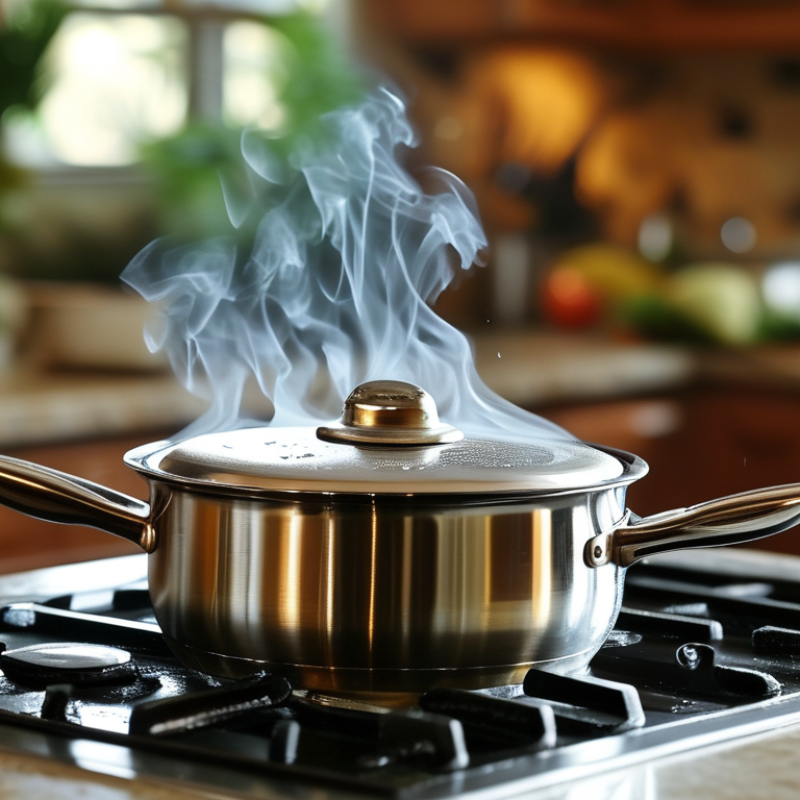
Stainless steel cookware behaves differently because it has no naturally nonstick surface or seasoning layer. Food meets bare metal, while the pan’s construction controls heat. Many quality pans use an aluminum or copper core to spread heat beneath the steel. This design reduces hot spots, but it does not eliminate them. I have found that a medium setting works better than maximum heat for most daily cooking.
A common mistake is adding oil to a cold pan, then increasing the heat impatiently. Preheat the pan first until a few water drops glide across the surface. Wipe away the water, add a thin layer of oil, and place the food inside. Dry food releases more cleanly. Still, this method is not perfect. Delicate fish can stick, especially when moved too early. Let the surface brown before turning it.
Stainless steel also tolerates acidic foods and repeated use without a fragile coating. That makes it practical for pan sauces, vegetables, and long braises. However, overheating can discolor the surface and leave stubborn residue. Salt added to cold water may encourage small pits over time, so dissolve salt after the water begins heating. I once scrubbed a warm pan too aggressively and created dull marks. A softer sponge and brief soaking usually protect the finish better.
Improper preheating is one of the most common stainless steel cookware mistakes. A cold pan heats unevenly, so food can stick before the cooking surface stabilizes. I used to add oil immediately, but that often left a greasy film and pale patches on the pan. Medium heat usually works better than high heat.
Heat the dry pan for two to three minutes. A few water droplets should bead and move across the surface. This test is useful, but not perfect. Excessive heat can make the droplets vanish instantly and may damage the oil later. Dry the pan afterward, then add a thin layer of cooking oil. When the oil looks fluid and lightly shimmers, add the food.
Temperature matters most when cooking proteins. Place a cold steak or piece of fish into an underheated pan, and its surface may cling tightly. Wait too long, and the outside can brown aggressively while the center remains undercooked. Let refrigerated food sit briefly, and pat it dry before cooking. Moisture creates steam and weakens browning.
The first release may take longer than expected. Do not scrape immediately. When the protein forms a browned crust, it often loosens naturally. I still sometimes raise the heat too quickly when cooking for guests. That shortcut creates burnt oil, stubborn residue, and a pan that needs extra cleaning. Lower, steadier heat is easier to control.
| Common Mistake | What Happens During Cooking | Typical Result | Likely Cause | Recommended Practice | Risk Level |
|---|---|---|---|---|---|
| Adding food to a cold pan | Food remains in contact with oil and metal before a stable cooking surface temperature is reached. | Sticking, pale browning, uneven cooking, and more moisture release. | Insufficient preheating and weak initial searing. | Preheat the empty pan over medium heat, then add oil and food when the surface is ready. | High |
| Preheating over excessively high heat | The pan can become much hotter than needed before ingredients are added. | Burnt oil, smoke, scorched food, and discoloration known as heat tint. | Rapid temperature rise and poor heat control. | Use medium or medium-high heat and reduce the burner once the pan is hot. | High |
| Using the water-droplet test incorrectly | A large amount of water cools the pan, while a droplet added too early may evaporate immediately. | False temperature indication and inconsistent cooking results. | Testing with too much water or judging evaporation alone. | Use a few drops only; a properly heated surface makes the droplets form small beads that glide briefly. | Medium |
| Adding oil before the pan is warm | Oil heats slowly while the food may be added before the cooking surface is ready. | Weak browning and a greater chance of sticking. | The pan, oil, and food reach cooking temperature too gradually. | Warm the pan first, add oil, swirl to coat, and add food promptly. | Medium |
| Cooking wet ingredients | Surface moisture turns to steam and lowers the temperature at the food–pan contact point. | Steaming instead of searing, splattering, and possible sticking. | Water absorbs heat and prevents direct browning. | Pat meat, fish, and vegetables dry before placing them in the pan. | Medium |
| Moving food too soon | The food is lifted before a browned crust forms and releases naturally. | Torn surfaces and residue left on the pan. | Insufficient contact time or unstable pan temperature. | Let the food cook undisturbed until it releases with gentle pressure. | Medium |
| Overcrowding the pan | Food releases moisture faster than the pan can evaporate it. | Steaming, uneven browning, and longer cooking time. | Too much food reduces heat recovery and air circulation. | Cook in batches and leave visible space between pieces. | Medium |
| Using cold food directly from storage | Cold ingredients rapidly draw heat from the cooking surface. | Uneven browning and a temporary loss of searing power. | Large temperature difference between the food and the pan. | Remove ingredients from refrigeration in advance when food-safety conditions permit, and dry them thoroughly. | Medium |
| Leaving an empty pan on high heat | The cookware continues accumulating heat without food or liquid to absorb it. | Smoke, burnt oil, warping risk, and persistent discoloration. | Uncontrolled thermal buildup. | Never leave empty cookware unattended; lower the heat or remove the pan when ready. | High |
| Adding salt to cold water | Undissolved salt can remain on the stainless-steel surface for an extended period. | Small surface pits or corrosion marks over time. | Concentrated salt contacts the metal before dissolving. | Add salt after the water is hot or boiling, and stir until dissolved. | Medium |
Stainless steel cookware rewards patience, but it exposes rushed cooking.
I used to add oil immediately, then blame the pan when eggs stuck. Preheat the empty pan over medium heat for two or three minutes. Test it with a few water drops. They should glide and bead, not vanish instantly. Dry the pan before adding oil.
Choose oils that tolerate moderate or high heat.
Refined avocado, canola, grapeseed, and peanut oils generally work well for searing. Their smoke points vary with processing, so the label and the oil’s smell still matter. Add enough oil to create a thin, glossy film. It should shimmer gently. Smoke means the pan is too hot.
Use medium-high heat for chicken, vegetables, or fish with dry surfaces. Let the food sit until it releases naturally. For eggs, pancakes, or delicate fish, lower the heat after the oil warms. Butter can add flavor, but it burns quickly alone; combining it with a heat-tolerant oil gives more control. Keep ingredients dry. Very wet food drops the pan’s temperature and encourages sticking. I still sometimes turn the heat too high, especially when searing quickly. The dark residue afterward is not always failure, but burnt oil is difficult to remove and signals poor temperature control.
What Are the Top Stainless Steel Cookware Mistakes?
Stainless steel pans usually develop stains because heat, minerals, and cooking residue work together. Overheating an empty pan can create blue, purple, or bronze discoloration. These colors are usually cosmetic, but they show that the surface became too hot. Hard water may leave cloudy white spots after washing. Salt added before water boils can also cause tiny pits or marks. Add salt after the water reaches a rolling boil.
Food can stick when the pan is cold, the oil is insufficient, or the heat is too high. I once scrubbed a pan aggressively after burning rice, which made the surface look worse. A softer approach would have saved time. Let the pan cool slightly, soak it in warm water, and loosen residue with a wooden or silicone utensil. Avoid chlorine-based cleaners and harsh scouring pads, because they may damage the finish.
Tips: Preheat the pan over medium heat, then add oil. Wait until the oil looks fluid before adding food. For mineral stains, wipe the surface with diluted white vinegar, rinse, and dry immediately. A clean towel prevents fresh water spots. If discoloration remains, it may not affect cooking performance, but repeated overheating should be reconsidered. Small habits matter.
Why do stainless steel pans develop stains and discoloration?
How the material data explains common mistakes
Stainless steel transfers heat much less efficiently than aluminum or copper, so excessive heat can create localized hot spots. These hot spots may produce heat tint, rainbow discoloration, or burnt-on oil. Salt added before water boils can remain concentrated against the steel and contribute to pitting, while hard-water minerals can leave white spots or cloudy residue. Use moderate heat, add salt after the water is boiling, avoid prolonged empty-pan heating, and clean mineral deposits with diluted vinegar.
Thermal conductivity values are representative room-temperature figures in W/m·K; actual values vary by alloy, purity, and temperature. Reference: standard engineering material-property tables.
Stainless steel cookware stays reliable when cleaning begins before food hardens. Let the pan cool slightly, then rinse it with warm water. Sudden temperature changes can sometimes warp a hot pan. I learned this after placing one directly under cold water. It seemed harmless, but the base later rocked slightly.
Use mild dish soap, a soft sponge, and warm water for daily cleaning. For stuck food, cover the area with water and simmer it gently for five to ten minutes. Loosen residue with a wooden or silicone utensil. Avoid steel wool and harsh scouring powders because they can leave scratches. For white mineral spots, wipe the surface with diluted vinegar, then rinse thoroughly. Always dry the cookware immediately. Water marks are easier to prevent than remove.
Tips: Do not store damp pans. Dry every surface, including handles and rims. Place a soft cloth between stacked pieces to reduce scratches. Keep lids slightly separated when possible, allowing air to circulate. Check the cookware’s care instructions before using abrasive cleaners. Burnt stains may need repeated gentle treatment, not aggressive scrubbing. I sometimes clean too quickly and miss the rim, where grease quietly collects. A final fingertip check helps, though it is not a substitute for proper washing.
: Heat the empty pan over medium heat for two or three minutes. Add a few water drops. They should bead and glide, not disappear immediately. Dry the pan before adding oil.
Refined avocado, canola, grapeseed, and peanut oils generally tolerate moderate or high heat. Choose enough oil to create a thin, glossy film. The oil should shimmer gently. Smoke means the pan is too hot.
Food may stick when the pan is cold or lightly oiled. Excessive heat can also cause sticking. Very wet ingredients reduce the pan’s temperature suddenly. Dry chicken, fish, and vegetables before cooking.
Use medium-high heat for dry ingredients. Place them in the oiled pan. Let them cook until they release naturally. Do not force them loose too early.
Lower the heat after the oil becomes warm. This helps eggs, pancakes, and delicate fish cook more gently. Butter adds flavor but burns quickly by itself. Mixing it with a heat-tolerant oil offers more control.
They usually come from overheating an empty pan. The discoloration is often cosmetic. Still, it shows the surface became excessively hot. Repeated overheating deserves some reconsideration.
Wipe the surface with diluted white vinegar. Rinse it thoroughly. Dry the pan immediately with a clean towel. Fresh water spots are easier to prevent than remove.
Let the pan cool slightly before cleaning. Soak it in warm water. Loosen residue with a wooden or silicone utensil. Avoid chlorine-based cleaners and harsh scouring pads. I still scrub too hard sometimes. That usually wastes time.
Stainless steel cookware is durable, nonreactive, and excellent for browning, but it requires different handling from nonstick or cast-iron pans. One of the most common questions is: what are the common mistakes when using stainless steel cookware? Frequent errors include heating the pan too quickly, adding food before the surface is properly preheated, and using unsuitable oil or excessively high temperatures. Preheating gradually and testing with a few drops of water can help create the right cooking conditions, while adding oil at the appropriate stage can reduce sticking and improve browning.
Discoloration, cloudy marks, and stuck-on residue often result from overheating, salt added to cold water, or leaving food remains on the surface. These issues are usually cosmetic and can be prevented through moderate heat and timely cleaning. After cooking, allow the pan to cool slightly, wash it with warm water and a gentle cleaner, and dry it completely to avoid water spots. Proper storage in a dry place, with cookware separated when necessary, helps preserve its appearance and performance.