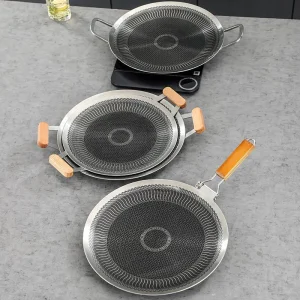
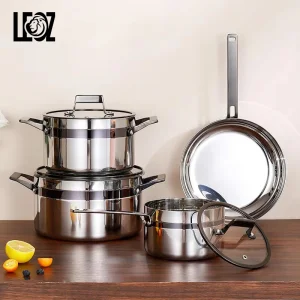
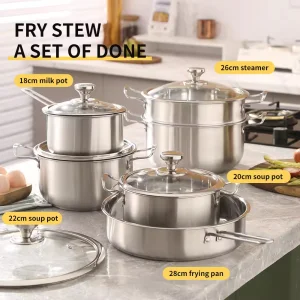
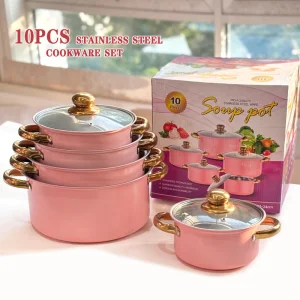
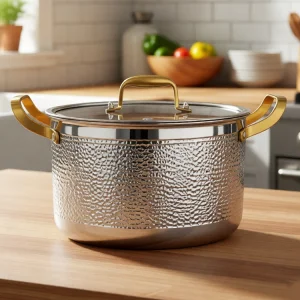
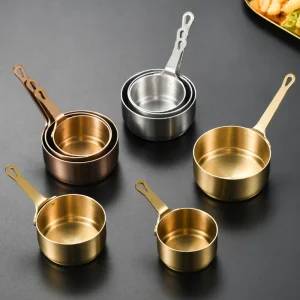
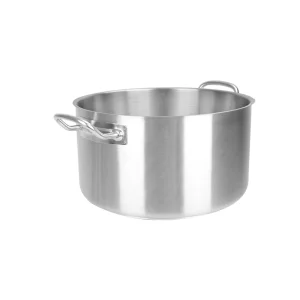
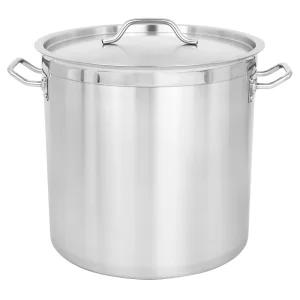
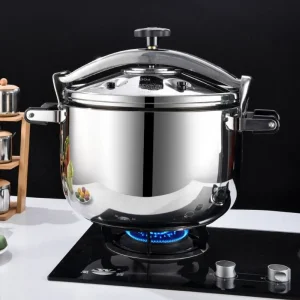
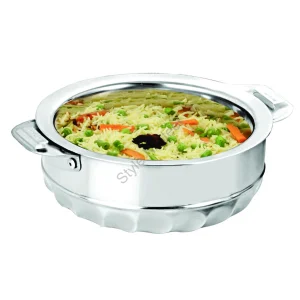
High-performance stainless steel and multi-ply aluminum cooking systems engineered for professional hospitality environments.
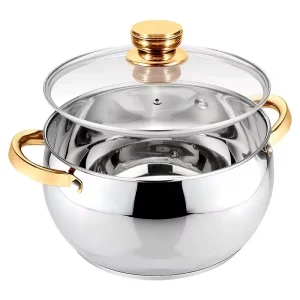
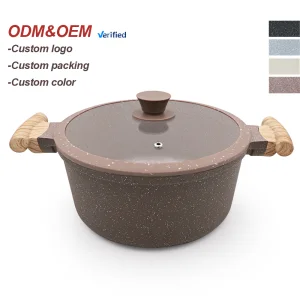
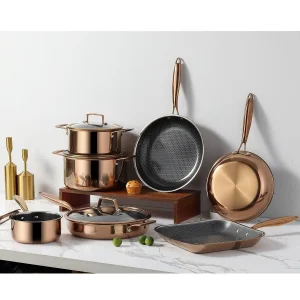
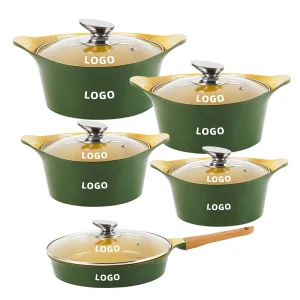
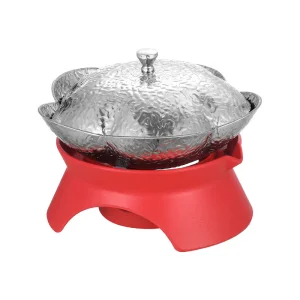
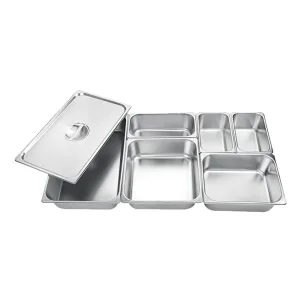
Foshan Sarap Kitchen Co., Ltd. is a global leader in high-performance metallurgy, offering commercial-grade cooking utensil solutions.
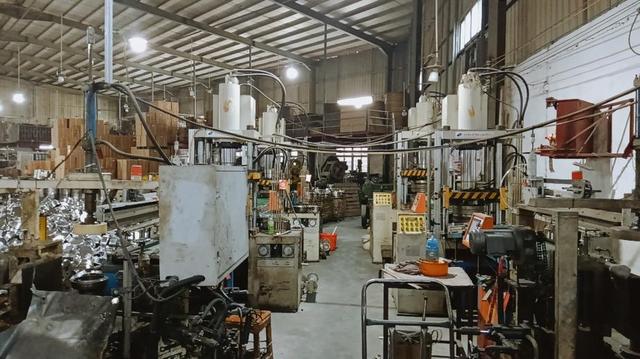
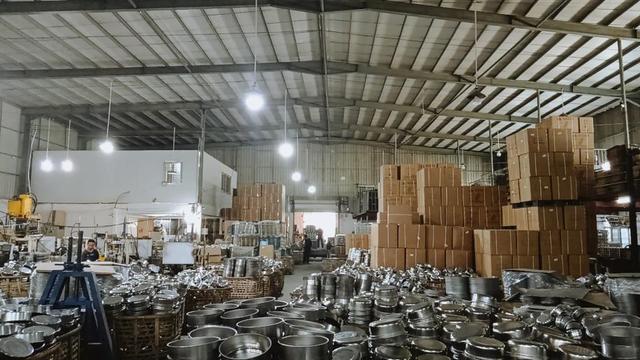
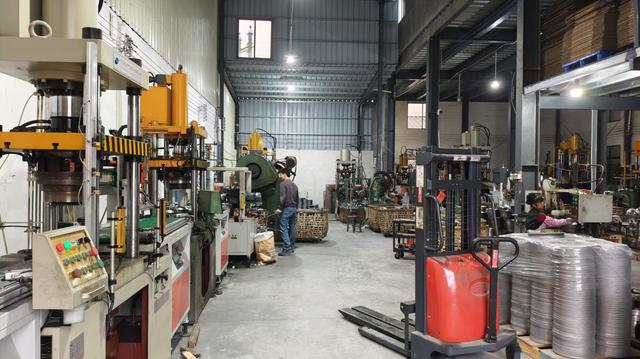
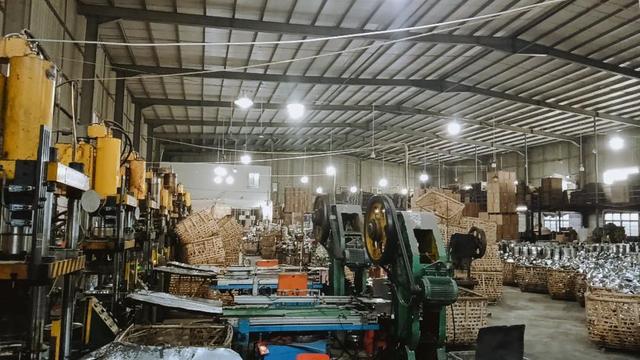
Foshan Sarap Kitchen Co., Ltd. is a professional manufacturer specializing in stainless steel cookware and kitchenware solutions for residential, commercial, and professional culinary applications worldwide. Established in 2011, the company is located in Foshan, Guangdong Province, one of China's leading manufacturing hubs for kitchenware and household products. With a production facility covering over 22,000 square meters and a workforce of more than 250 employees, Sarap Kitchen has developed comprehensive capabilities in cookware design, manufacturing, quality control, and international export services.
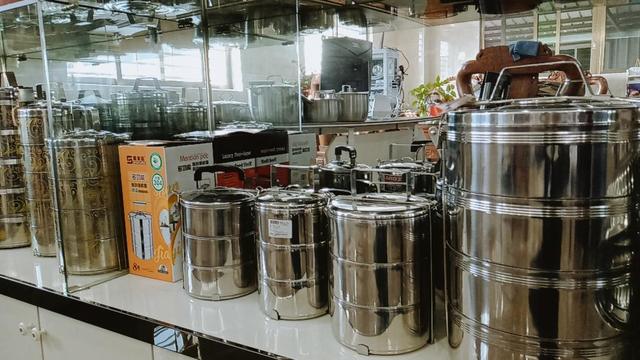
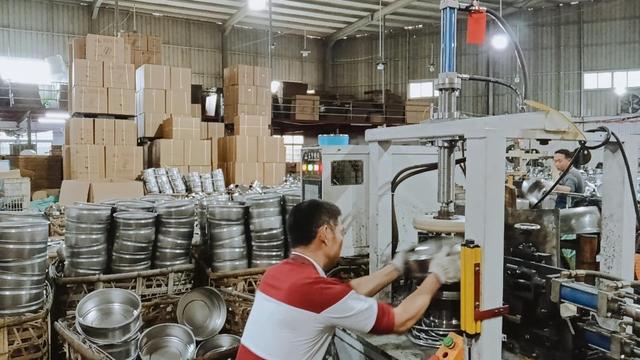
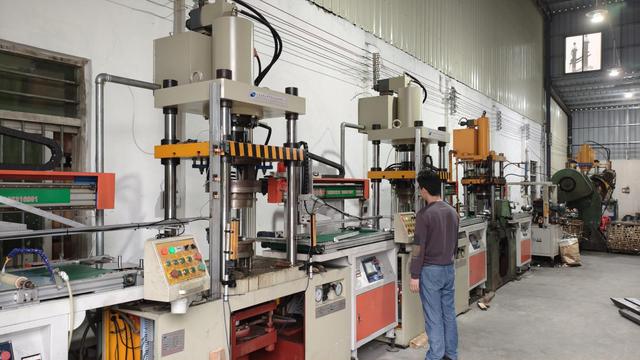
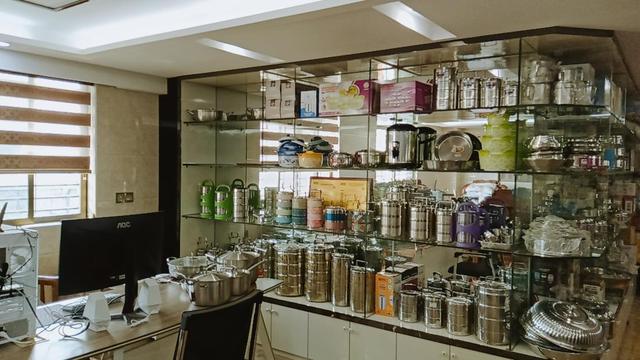
The company focuses on the production of stainless steel frying pans, saucepans, stock pots, sauté pans, casserole pots, steamers, cookware sets, and customized kitchenware products. Utilizing advanced manufacturing equipment, automated polishing lines, precision forming technologies, and strict quality management procedures, Sarap Kitchen delivers cookware solutions designed for durability, heat distribution efficiency, and long-term performance.
Serving distributors, retailers, hospitality groups, cookware brands, and foodservice equipment suppliers, Sarap Kitchen offers flexible OEM and ODM manufacturing services. Customers can customize product specifications, materials, surface finishes, handles, packaging, branding, and private-label requirements to meet diverse market demands.
Innovation and product development remain central to the company's growth strategy. Its engineering team continuously explores improvements in multi-ply construction, induction-compatible designs, ergonomic features, and sustainable manufacturing practices. Every product undergoes rigorous inspection throughout the production process to ensure consistency and compliance with international quality standards. Today, Foshan Sarap Kitchen Co., Ltd. exports to North America, Europe, the Middle East, Southeast Asia, South America, and other global markets. Through reliable manufacturing capabilities, customer-oriented service, and continuous product innovation, the company supports partners seeking high-quality stainless steel cookware solutions for both household and commercial kitchens.
Why sourcing agents and professional distributors prioritize certified stainless steel cookware systems.
Global procurement teams targeting the European Economic Area require strict CE Certification. Sourcing non-certified spatulas or cookwares poses massive legal, sanitation, and customs risks. Sarap Kitchen guarantees compliance with EU Directive 1935/2004/EC for food-contact materials.
Industrial kitchen operators seek structural resilience. Heavy-duty applications require a high-tensile, corrosion-resistant alloy like SUS 304 or SUS 316 Stainless Steel. Utensils must withstand rigorous dishwasher sanitization and acidic food degradation without leaching metals.
For global importers, production lead times and volume stability determine long-term operational success. Operating a 22,000 m² smart factory, we execute high-capacity output batches, satisfying both seasonal retail surges and systematic commercial contract supply lines.
Decoding alloy properties, thermodynamic capacities, and surface finish metrics for high-end B2B culinary supplies.
A primary factor in professional cookware longevity is the precise grade and assembly of the raw metal. Foodservice environments subjected to extreme temperatures require raw materials engineered with high thermal resistance and structural integrity. Foshan Sarap Kitchen Co., Ltd. applies strict metallurgical controls, selecting specific composition ratios to prevent deformation under thermal stress. The table below illustrates the characteristics of our primary food-contact alloy components.
| Alloy Grade | Typical Composition (Cr/Ni) | Corrosion Resistance | Thermal Conductivity | Ideal Application | Certification Standards |
|---|---|---|---|---|---|
| SUS 304 (Food-Grade) | 18% Chromium / 8% Nickel | Excellent | Moderate (Requires Core) | Commercial Stock Pots, High-End Spatulas | CE, FDA, LFGB, NSF |
| SUS 316 (Marine-Grade) | 18% Chromium / 10% Nickel + Mo | Superior (Resists Chlorides) | Moderate | High-Acid Stewing, Industrial Processing | CE, FDA, EU 1935/2004 |
| SUS 430 (Ferritic) | 16-18% Chromium / 0% Nickel | Standard | High (Magnetic Core) | Induction Clad Outer Layers, Economy Spatulas | CE, FDA, LFGB |
| Multi-Ply (3-Ply / 5-Ply) | Alloy Clad with Copper/Alu Core | Excellent | Optimal (Rapid Uniform Heat) | Chef's Skillets, Premium Casserole Pots | CE, FDA, LFGB |
Addressing modern sanitation, mechanical resilience, and ergonomic demands in commercial environments.
In large-scale hospitality, kitchenware replacement rates heavily impact annual operational expenditures. Low-grade spatulas fail at handle joints or corrode rapidly under extreme heat. By using precision welding techniques, such as TIG/Laser welding, we ensure that spatulas, turners, and cookware handles remain securely bonded to their bodies. This minimizes breakages and guarantees that kitchen teams can operate without down-time.
Food safety authorities enforce rigorous protocols regarding bacterial accumulation. Traditional wood or low-grade plastic spatulas develop micro-cracks where food particles hide. Our CE-certified stainless steel spatulas and cookware utilize non-porous surfaces and seamless construction, meeting HACCP guidelines. This allows for chemical sanitization without compromising the alloy matrix.
Line cooks perform thousands of repetitive wrist actions daily. An unbalanced spatula or pot handle leads to operational fatigue and increases the risk of accidental burns. The Sarap Kitchen engineering team implements calculated weight distributions, placing the center of gravity closer to the user's hand. This geometric configuration reduces joint strain and improves kitchen safety.
As global commercial kitchens pivot towards electric induction systems to reduce carbon emissions and heat waste, magnetic responsiveness is critical. We manufacture multi-ply encapsulated bases combining aluminum cores (for heat dispersion) with exterior induction-grade magnetic steel. This design prevents localized hot spots, reduces energy loss, and ensures rapid heat response times.
Integrating robotic precision, artificial intelligence in quality assurance, and sustainable manufacturing processes.
Navigating regional compliance standards, customized packaging formats, and post-purchase assurance frameworks.
Distributing products to distinct global jurisdictions requires a deep understanding of local laws. For instance, European distributors operating in Germany demand LFGB compliance, which includes sensory testing for odor and taste transfer, whereas North American buyers prioritize compliance with FDA CFR Title 21. Foshan Sarap Kitchen Co., Ltd. provides comprehensive testing certifications for each designated market, minimizing compliance risks for our international partners.
Full conformance with CE mark, Regulation (EC) No 1935/2004, and LFGB. Ideal for wholesale distribution in Germany, France, Italy, and Nordic regions.
FDA compliant stainless steel composition testing. NSF-ready designs suitable for professional chain-restaurant installations across the US and Canada.
Packaging design customized for local target markets. Offers multi-lingual manuals, barcodes, FBA labels, and sustainable retail display materials.
Over 22,000 square meters of state-of-the-art machinery, stamping lines, and QA labs in Guangdong, China.
Technical clarifications concerning materials, certifications, lead times, and OEM/ODM possibilities.
CE certification for food contact materials evaluates overall and specific chemical migration limits. It guarantees that our stainless steel grades do not release toxic heavy metals (such as lead, cadmium, nickel, or chromium) into foodstuffs under extreme thermal conditions. Additionally, tests evaluate structural safety, thermal stability, and corrosion-resistance characteristics under standardized kitchen load profiles.
Yes, Foshan Sarap Kitchen Co., Ltd. is equipped with full-service ODM/OEM capabilities. We can develop custom dies and stamping tools for specialized blade geometries (slotted, solid, flexible, offset) and ergonomic handle designs (silicone-injected, hollow-insulated, or riveted). Our in-house mold shop can produce prototypes within 15 to 20 business days of CAD schematic approval.
We operate under ISO 9001:2015 management parameters. Our QA protocol includes raw material verification using spectrochemical analysis, inline automated visual monitoring during stamping/pressing stages, post-polishing thickness checks, and random batch impact tests. Before export loading, we perform comprehensive safety tests to verify joint strength and base flatness under cyclic high-temperature loads.
For standard catalogue cookware and cooking tools, our manufacturing lead time ranges from 30 to 45 days after deposit confirmation. Custom OEM runs that require custom branding, custom handle molds, or specific packaging adjustments generally take 45 to 60 days. Our logistics team handles direct ocean freight bookings from nearby ports, including Shenzhen and Guangzhou.
Single-layer bases often distribute heat unevenly, creating localized hot spots that scorch ingredients. Multi-ply encapsulated bases bond a high-conductivity core (aluminum or copper) between layers of stainless steel. This design ensures fast and uniform heat distribution across the base while maintaining induction responsiveness and preventing base warping over time.
High-performance stainless steel and multi-ply aluminum cooking systems engineered for professional hospitality environments.