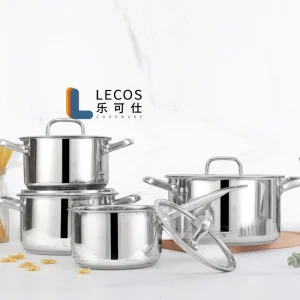
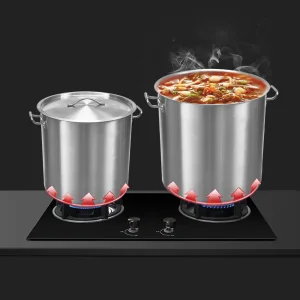
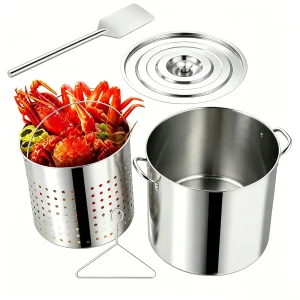
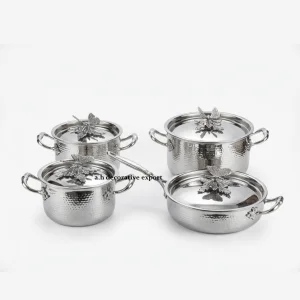
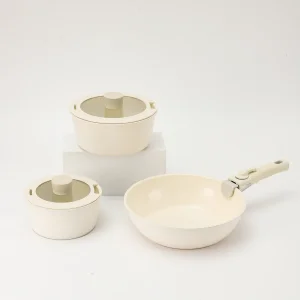
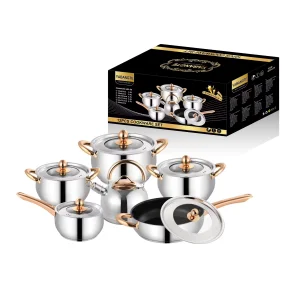
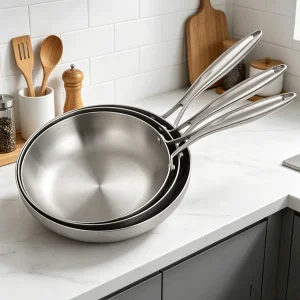
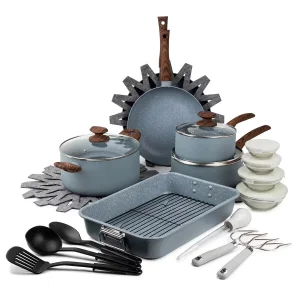
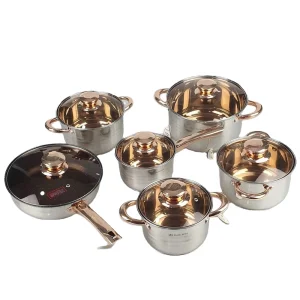
Explore our premium grade stock pots, multi-ply woks, non-stick sauté sets, and commercial-grade cookware engineered to meet global FDA and LFGB compliance standards.
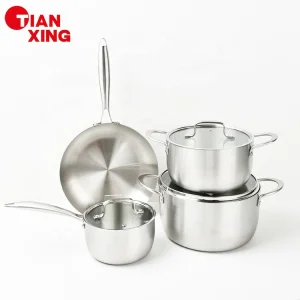
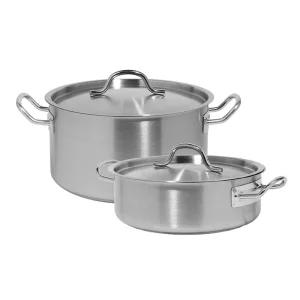
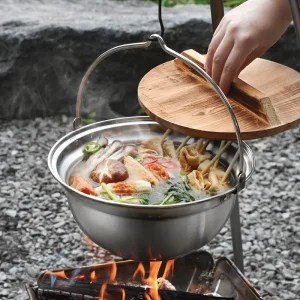
Understanding the tectonic shift from polycarbonate (BPA-laden plastic) to durable food-safe metal alloys in commercial and high-end residential blending ecosystems.
The global commercial blending industry has undergone an unprecedented material science revolution over the past decade. For years, clear polycarbonate containers reigned supreme due to low production costs and initial transparency. However, strict environmental initiatives, increasing awareness of BPA (Bisphenol A) and microplastic leaching, and the demanding cycle-life requirements of commercial hospitality environments have prompted global brands, HORECA procurement groups, and high-end appliance manufacturers to adopt Stainless Steel Blender Jars as the gold standard for high-speed blending applications.
Unlike plastic or glass, stainless steel containers provide structural resilience, thermal conductivity, and absolute chemical neutrality. In commercial beverage chains, heavy-duty industrial food prep facilities, and residential smart kitchens, the demands placed on blender components are extreme. High rotational velocities (up to 30,000 RPM) generate high torsional stresses, friction heat, and localized vacuum variations. Glass jars pose severe hazards of shattering under high-speed impacts from frozen ingredients, while plastic jars scratch, cloud, retain microbial odors, and degrade over short service periods due to acidic food elements and dishwashing chemical exposure. Stainless steel blenders mitigate all these points of failure.
Crucially, global regulations, including the European Food Contact Regulations (EC 1935/2004) and FDA CFR 21 standards, have raised safety thresholds for food preparation contact surfaces. This regulatory shift has driven global OEM and ODM buyers to actively source certified factories and suppliers in primary manufacturing hubs like South China. Specifically, the integration of custom stainless steel vessels allows brands to market "zero-toxicity, zero-odor" blending solutions, positioning themselves as top-tier premium choices in a highly competitive market.
Decoding the metallurgic properties and deep drawing precision forming techniques required to build dynamic, leakproof blending containers.
Utilizing high-grade SUS304 (18/8 Chromium-Nickel) and SUS316 (containing Molybdenum) ensures superior anti-corrosive properties against extreme salts, acids, and detergents.
Advanced multi-stage deep draw presses stamp a single sheet of steel into the complex jar profile, eliminating weld seams to prevent stress corrosion and cleanability issues.
Custom geometries, integrated internal baffles, and square/cloverleaf profiles ensure ingredients are continuously pulled down toward the spinning blade assembly.
From an engineering perspective, manufacturing a high-speed blender jar is much more challenging than standard cookware like stockpots. The structural tolerances must be precise to keep the spinning blade assembly perfectly balanced. Even minor deviations in shape can cause severe vibrations at high speeds, resulting in bearing wear, leakage, motor burnout, and high noise levels. OEM suppliers use high-precision CNC machining, robotic grinding, and automated micro-polishing lines to ensure the container's base, blade interface, and sealing ring channels meet exact alignment tolerances down to a fraction of a millimeter.
Established in 2011, Foshan Sarap Kitchen Co., Ltd. is a leading professional manufacturer specializing in premium stainless steel cookware and customized kitchenware solutions. Located in Foshan, Guangdong Province—the global hub of hardware and kitchenware manufacturing—the company is ideally positioned to access specialized raw materials, local technical talent, and efficient shipping channels to support international brands.
Our expansive production facility covers more than 22,000 square meters and employs over 250 skilled professionals, including a dedicated design and engineering team. Sarap Kitchen has built end-to-end capabilities across product design, mold development, precision stamping, automated polishing, laser welding, and rigorous testing, allowing us to consistently deliver durable products built to last.
We provide comprehensive OEM and ODM manufacturing services. This allows global brands, distributors, and commercial equipment suppliers to customize product dimensions, metal thicknesses, handle designs, lid options, and branding, ensuring the finished products align perfectly with their specific market needs and quality standards.
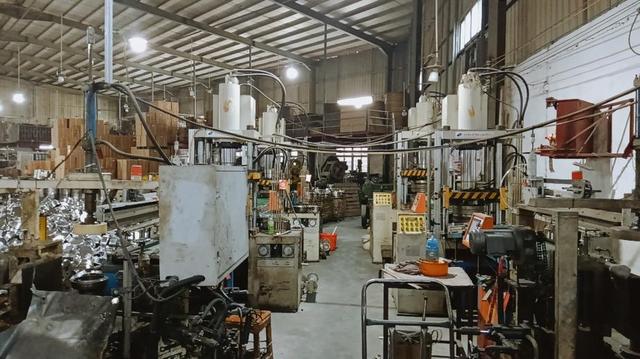
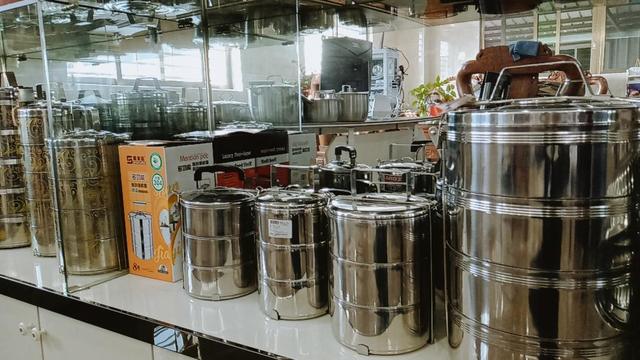
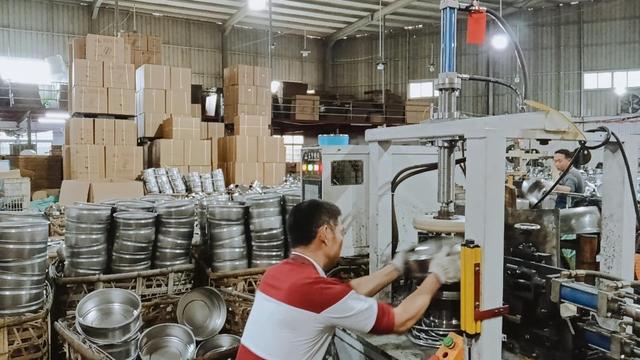
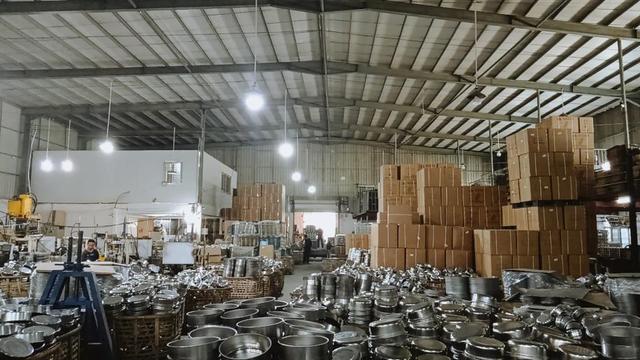
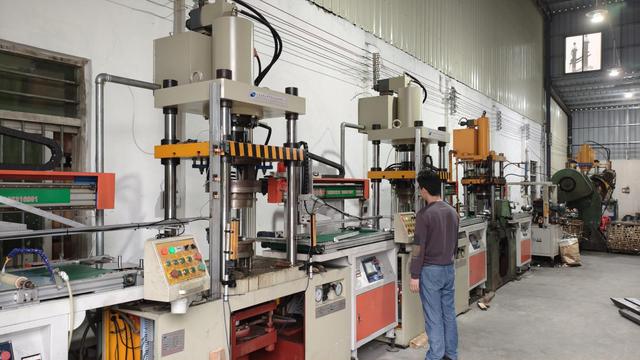
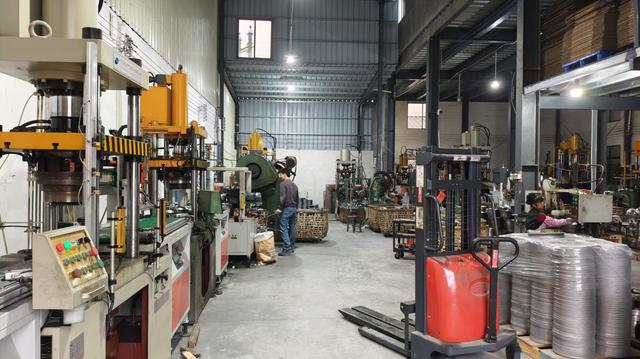
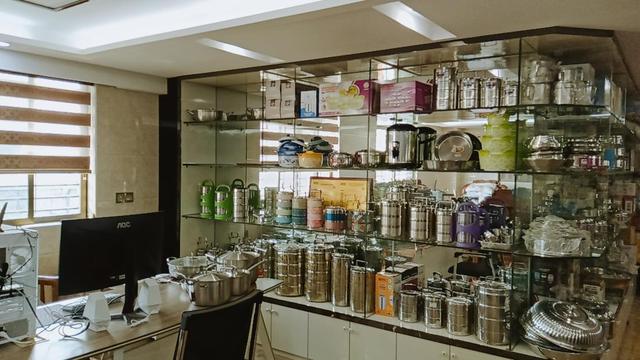
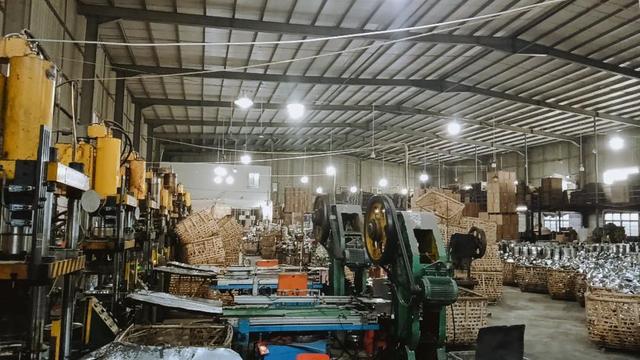
Why sourcing custom stainless steel blender containers from Foshan, Guangdong offers unmatched advantages in cost, lead times, and engineering depth.
The concentration of raw material suppliers, specialized tooling workshops, and logistics infrastructure in the Pearl River Delta makes Foshan an exceptional hub for stainless steel manufacturing. This industrial ecosystem allows Foshan Sarap Kitchen Co., Ltd. to optimize costs and production speed in several key ways:
This localized supply chain enables us to accommodate custom modifications—such as specific internal volume markers, custom sound-dampening bases, or specialized handle mounting structures—without the excessive lead times or high setup costs common in other regions. It allows us to offer flexible, cost-effective OEM and ODM services that keep your brand competitive.
From commercial food preparation to high-end residential appliances, explore the diverse applications and technological innovations shaping the market.
Our custom blender containers and high-quality kitchenware are engineered to perform across a variety of demanding environments:
Staying ahead of consumer trends and regulatory changes is essential for maintaining a competitive edge in the global marketplace:
Key checkpoints for supply chain managers, design engineers, and procurement specialists to ensure quality and compliance.
When selecting a manufacturing partner for custom blender jars or high-end kitchenware, verifying key technical specifications and quality control protocols is critical to ensuring product reliability. Here is a checklist of essential benchmarks to consider:
At Foshan Sarap Kitchen Co., Ltd., our quality control begins at the raw material stage and continues through to final assembly and packaging. Every batch of steel undergoes chemical verification before processing, and finished products are tested for dimensional accuracy, leak-proof performance, and balance. This comprehensive quality control process helps ensure that your products arrive ready for the market.
Practical answers to common questions about materials, custom options, minimum order quantities, and manufacturing lead times.
Explore our industrial stock pots, multi-piece family cooking sets, and custom hotel-grade pans, all manufactured in our Foshan facility.