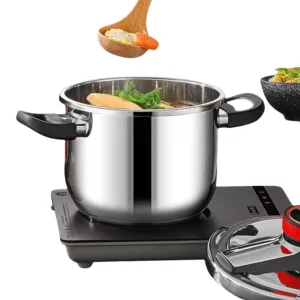
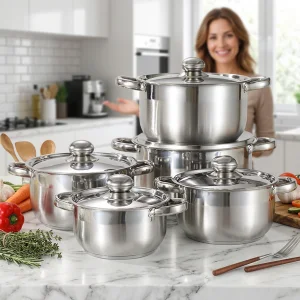
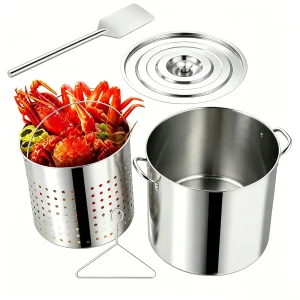
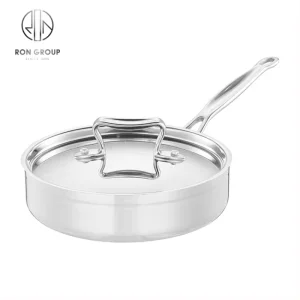
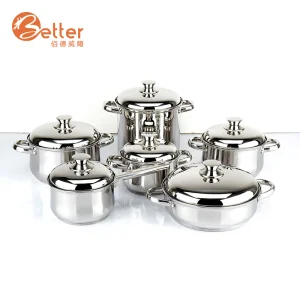
Explore our premium selection of commercial-grade food equipment and cooking vessels engineered to withstand rigorous culinary standards.
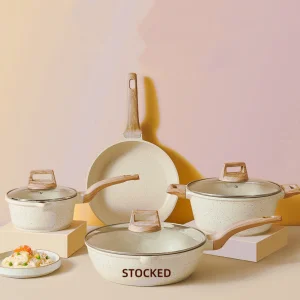
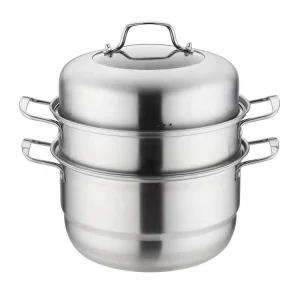
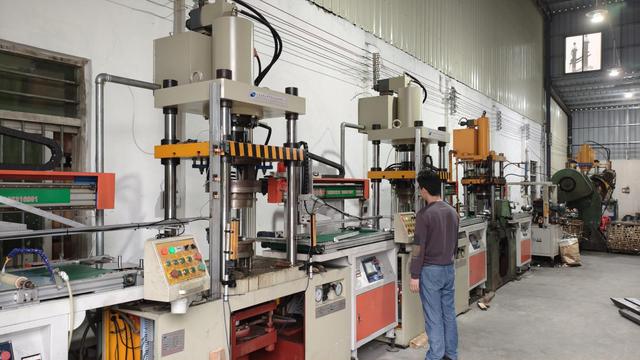
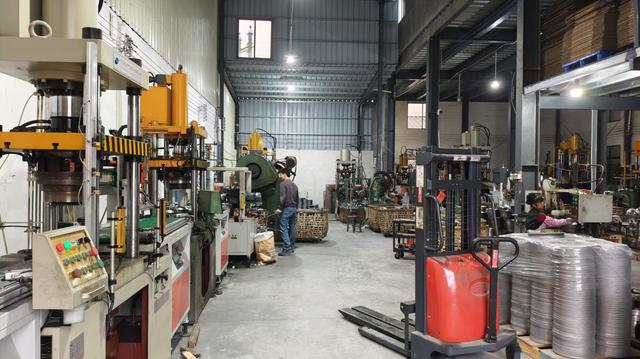
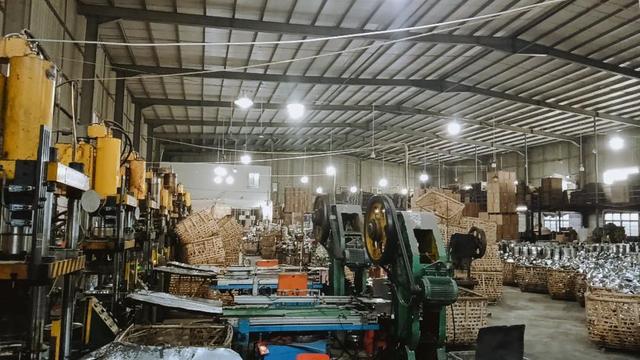
Established in 2011 in the industrial core of Foshan, Guangdong Province, Foshan Sarap Kitchen Co., Ltd. has grown into a globally recognized manufacturing powerhouse. Operating from an expansive, state-of-the-art facility spanning over 22,000 square meters and powered by an elite workforce of more than 250 skilled employees, we represent the pinnacle of Chinese kitchenware and commercial food machinery production.
Our strategic vision combines advanced metallurgical engineering with commercial utility. We do not simply produce kitchen appliances; we design and export comprehensive, heavy-duty culinary systems. By focusing on precision heat distribution, safety mechanics, and advanced material structures, Sarap Kitchen supplies premier distributors, hospitality conglomerates, global cookware brands, and large-scale commercial fryer importers across North America, Europe, the Middle East, and Southeast Asia.
Key Capability: Rapid OEM/ODM Customization & Mass Scalability"Our integrated automated polishing lines, hydraulic deep-drawing systems, and computerized quality-assurance laboratories enable Sarap Kitchen to maintain an unprecedented yield rate of 99.8% across our custom OEM stainless steel deep fryers and kitchenware lines."
An academic look into material sciences, thermal performance, and manufacturing paradigms that define premium commercial deep fryers.
Commercial frying involves aggressive exposure to high-temperature lipids, organic acids, and sodium compounds. We construct our custom deep fryers utilizing premium food-grade SUS304 or SUS316 austenitic stainless steel. These alloys offer exceptional resistance to pitting, intergranular corrosion, and high-temperature oxidation up to 800°C.
Efficiency is governed by how rapidly a fryer recovers its temperature after frozen product immersion. Our engineering focuses on tri-ply encapsulated bases, multi-tube heat exchangers, and precise heating coil alignment. This shortens recovery times, minimizes oil degradation, and reduces overall energy consumption by up to 22%.
Operational safety is paramount. Our custom fryers integrate safety features such as dual-limit thermostats (preventing oil combustion), automated quick-drain valves for filtration, cool-touch structural handles, and microcomputer PID control systems that guarantee precise oil temperature regulation within ±1°C.
Foshan stands as China's premier cluster for advanced metal fabrication and kitchenware manufacturing. This geographic concentration gives Foshan Sarap Kitchen Co., Ltd. unparalleled structural and economic advantages that we pass directly to our global OEM partners.
From raw steel procurement (sourcing certified, high-grade cold-rolled coils from China's leading mills) to localized access to advanced heating element components, precision thermostat modules, and tooling infrastructure—our ecosystem minimizes transportation lead-times and slashes production costs.
Additionally, our proximity to major shipping hubs in Shenzhen, Guangzhou, and Hong Kong facilitates seamless intercontinental shipping logistics, helping global buyers maintain optimized inventory structures and consistent retail supply chains.
To operate safely in major international markets, deep fryers must comply with strict regional safety and sanitation directives. We guarantee absolute conformity.
Compliance with UL 197 (Commercial Electric Cooking Appliances) and NSF/ANSI 4 (Sanitation for Commercial Cooking Equipment). Our manufacturing ensures all internal electrical wiring is highly insulated against extreme grease exposure, and that corners are designed with sanitary radii to prevent bacterial accumulation.
Adherence to CE Mark directives, specifically the Low Voltage Directive (LVD) 2014/35/EU and the Electromagnetic Compatibility (EMC) Directive 2014/30/EU. In addition, we enforce strict food contact material regulations, assuring that all stainless steel grades comply with Regulation (EC) No 1935/2004.
Custom manufacturing configurations that align with SASO (Saudi Arabia), G-Mark (Gulf countries), and CCC (China) parameters. We customize power plug configurations, voltage requirements (from 110V/60Hz to 380V/50Hz three-phase systems), and localized control labels to match import specifications.
How modern food services leverage custom deep frying equipment to optimize speed, quality, and environmental footprint.
The global commercial fryer industry is transitioning toward smart energy systems and oil life extension technologies. By creating specialized "cold zones" at the bottom of the oil vat, food crumbs fall into cooler temperatures where they do not burn, maintaining oil purity for up to 50% longer.
Additionally, the rise of cloud kitchens has accelerated demand for compact, high-output countertop deep fryers with quick thermal response. Sustainable commercial kitchens also demand induction-ready frying vats that transmit heat directly to the oil vessel, reducing heat dissipation into the workplace.
Different culinary systems demand distinct fryer shapes and capacities. Standard American fast-food models prioritize high oil-volume multi-tank fryers for large batches of fries and chicken. Conversely, European bistros require sleek, integrated counter drop-in fryers.
Our customizable designs cater to these distinct specifications. We provide tailored basket sizes, hanger placements, automatic basket-lift mechanisms, and heavy-duty casters to match physical floor constraints and workflow layouts.
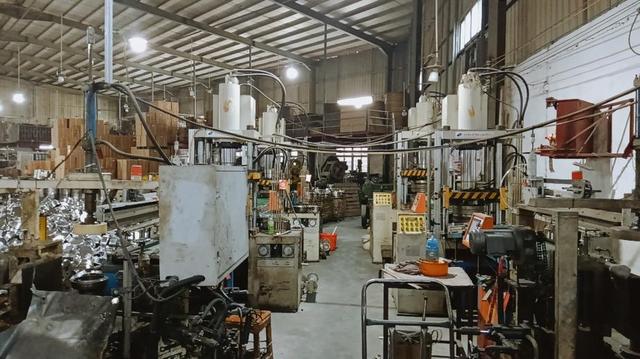
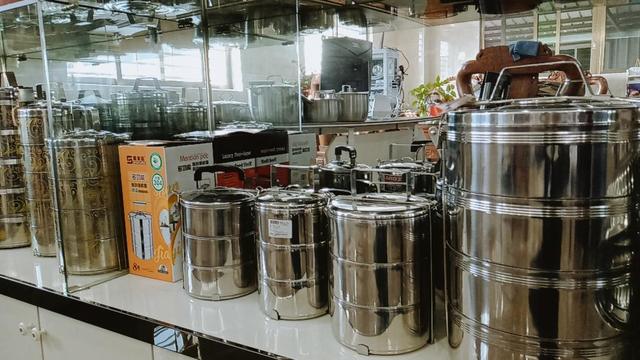
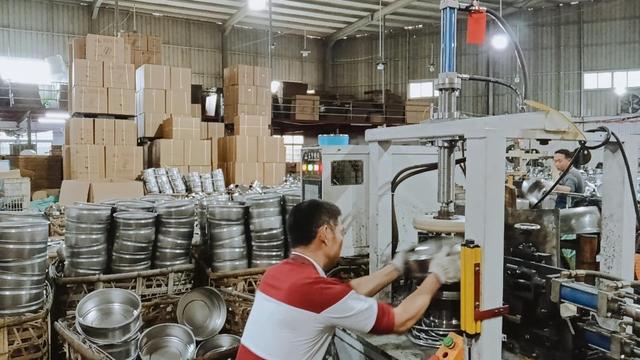
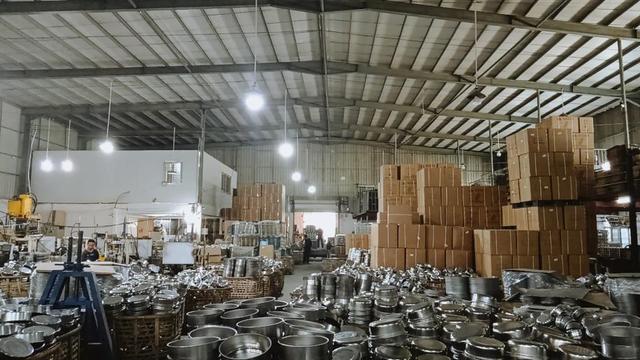
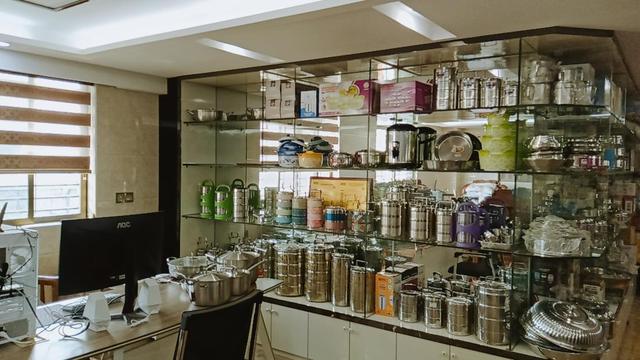
A look inside our 22,000 square meter factory floor, quality assurance testing sectors, and shipping operations in Foshan.
Get answers to critical technical questions regarding customization, material grading, import compliance, and logistics.
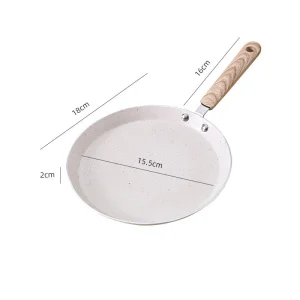
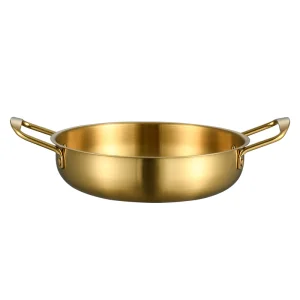
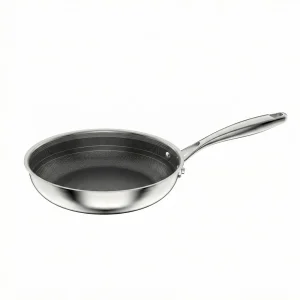
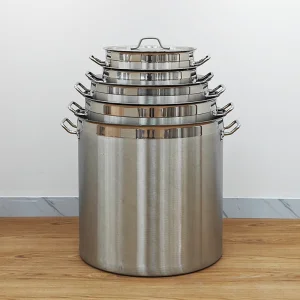
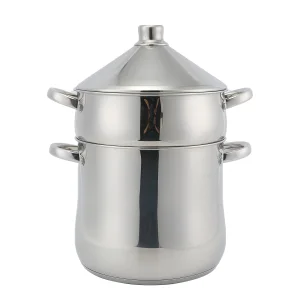
Our extensive collection covers residential induction systems, high-pressure processing cookware, and heavy-duty commercial stockpots.