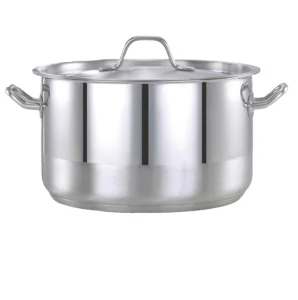
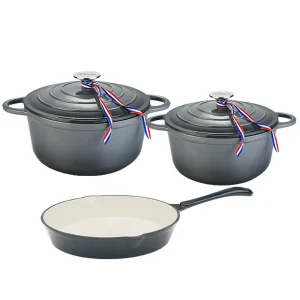
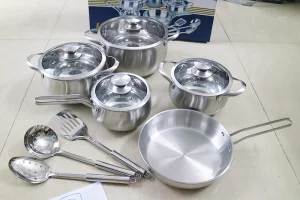
In the high-pressure environments of commercial foodservice and home kitchen retail, the engineering of basic food preparation tools determines operational efficiency and brand reputation. Stainless steel potato mashers and ricers represent a critical product category that bridges traditional cooking techniques with advanced metallurgical sciences. Globally, the demand for food-grade, heavy-duty potato mashers has expanded past simple household use into large-scale culinary facilities, catering brands, and international hospitality franchises.
Stainless steel, particularly food-grade SUS304 (18/8) and premium SUS316 (18/10), dominates the sourcing landscape. These materials provide unmatched resistance against organic food acids, withstand repetitive high-torque compression forces without mechanical fatigue, and resist micro-corrosion under high-temperature sanitation cycles. Procurement agents sourcing from premium Chinese manufacturing corridors prioritize structural integrity, weld stability, and ergonomic load-distribution metrics above basic production costs.
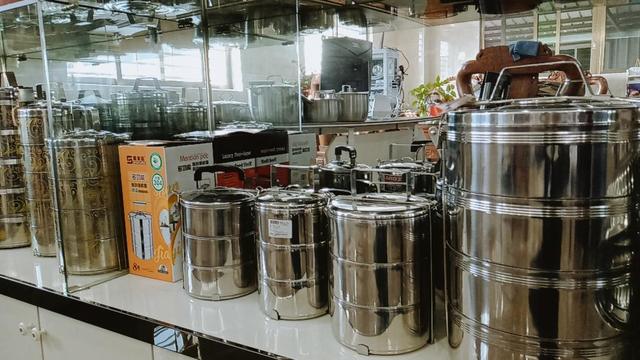
Foshan Sarap Kitchen Co., Ltd. is a professional manufacturer specializing in stainless steel cookware and kitchenware solutions for residential, commercial, and professional culinary applications worldwide. Established in 2011, the company is located in Foshan, Guangdong Province, one of China's leading manufacturing hubs for kitchenware and household products.
With a production facility covering over 22,000 square meters and a workforce of more than 250 employees, Sarap Kitchen has developed comprehensive capabilities in cookware design, manufacturing, quality control, and international export services.
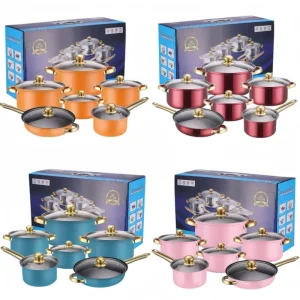
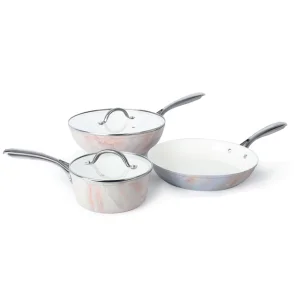
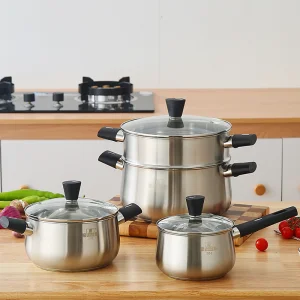
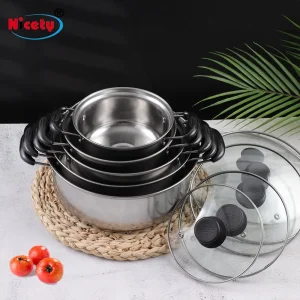
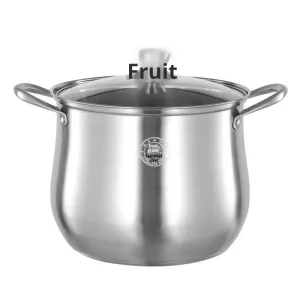
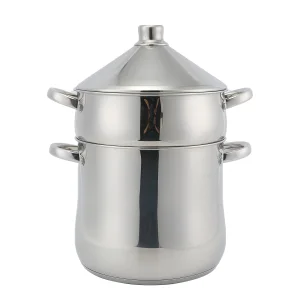
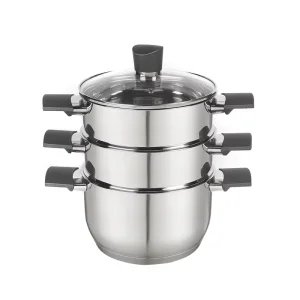
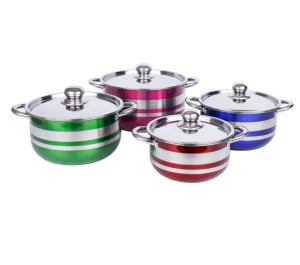
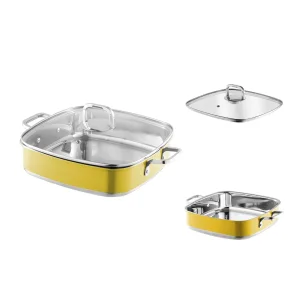
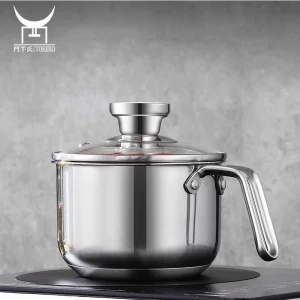
The company focuses on the production of stainless steel frying pans, saucepans, stock pots, sauté pans, casserole pots, steamers, cookware sets, and customized kitchenware products. Utilizing advanced manufacturing equipment, automated polishing lines, precision forming technologies, and strict quality management procedures, Sarap Kitchen delivers cookware solutions designed for durability, heat distribution efficiency, and long-term performance.
Serving distributors, retailers, hospitality groups, cookware brands, and foodservice equipment suppliers, Sarap Kitchen offers flexible OEM and ODM manufacturing services. Customers can customize product specifications, materials, surface finishes, handles, packaging, branding, and private-label requirements to meet diverse market demands.
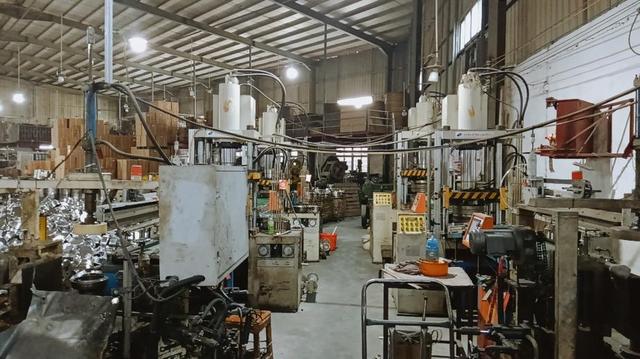
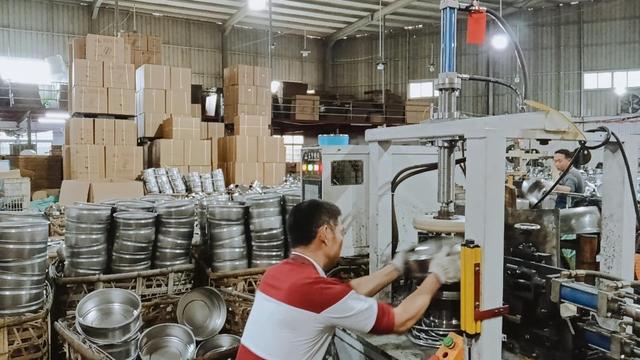
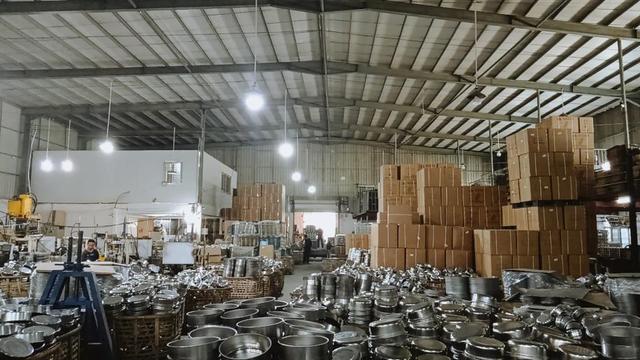
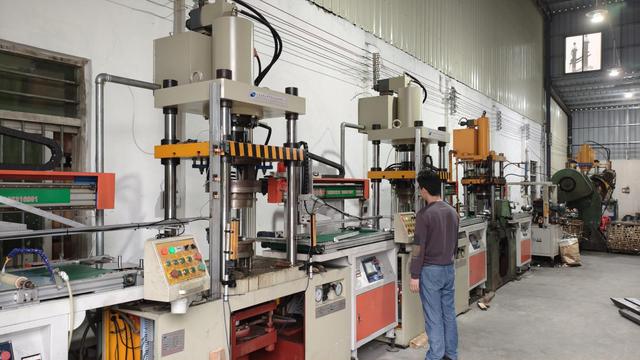
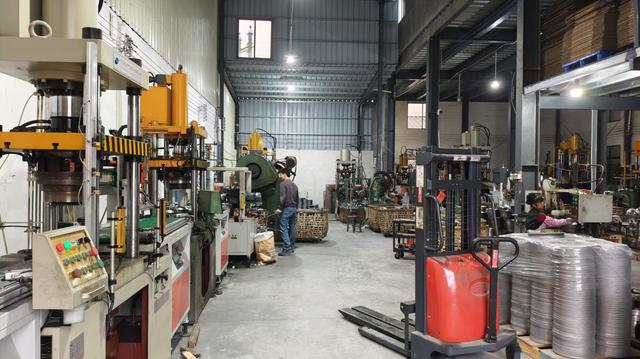
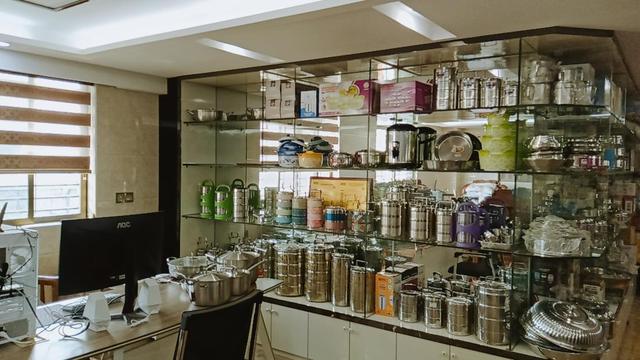
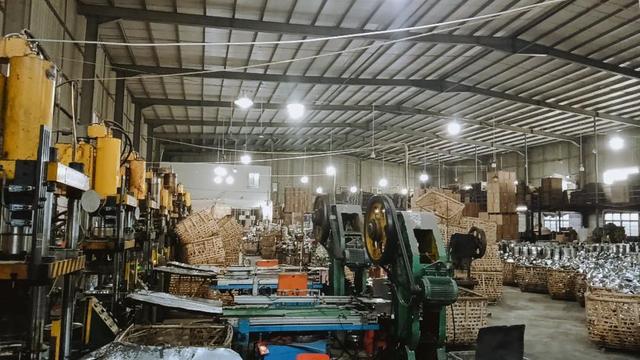
Understanding the mechanical stresses applied to manual food mashing tools dictates our manufacturing process. We engineer kitchen gadgets to survive tens of thousands of cycles without shear failure.
Our mashing plates utilize 1.5mm to 2.0mm thickness grade 304 stainless steel. This prevents plate bowing or permanent deformation under severe axial loads, ensuring consistent performance in high-volume commercial environments.
We utilize continuous-seam robotic welding. Traditional spot welding leaves microscopic voids that collect food starch and cultivate bacteria. Our seamless joints are easy to sanitize and meet strict NSF/ANSI health standards.
The handle-to-base joint undergoes high-frequency torque testing. By reinforcing the shank connection with deep-penetration laser welds, we ensure a high load-bearing capacity and eliminate handle detachment risks.
Purchasing habits and product specifications for potato mashers vary widely by geographic region. As a global OEM/ODM manufacturer, Foshan Sarap Kitchen Co., Ltd. supports brand partners in adapting configurations for local markets:
Preferences lean towards wide-grid perforated plates and heavy-duty silicone or TPR comfort grips. North American retail brands require modern visual packaging (color boxes, custom hangtags) and FDA-compliant materials.
Focus is heavily anchored on chemical safety. Products must pass LFGB (Food and Feed Code) and REACH certifications, meaning zero heavy-metal leaching and plasticizers that are free from BPA and phthalates. Wire-style (wave) mashers are popular in Northern Europe.
Demand is rising for dual-action mashing plates (combining grid holes with a secondary spring-loaded plate) and cost-optimized stainless steel gauges for high-density consumer retail sectors.
Foshan, Guangdong, is the industrial heart of China's premium kitchenware manufacturing cluster. By operating within this ecosystem, Sarap Kitchen accesses direct channels for raw coil steel, advanced automated surface treating lines, and expert technical labor.
This geographic concentration translates into faster mold prototyping, strict batch consistency, lower domestic logistics expenses, and highly competitive export pricing for container-load B2B buyers.
Product differentiation is crucial in crowded retail and commercial environments. Foshan Sarap Kitchen Co., Ltd. drives growth by implementing forward-thinking technical roadmaps:
Replacing traditional fossil fuel-based plastics with bio-composite polymers derived from wheat straw or recycled fibers, helping brand buyers meet corporate ESG metrics.
Using Physical Vapor Deposition (PVD) to apply champagne gold, rose gold, and matte black titanium-nitride layers, creating highly wear-resistant premium aesthetic tools.
Applying localized cold-working to increase hardness at the high-stress neck of the potato masher, reducing overall metal weight while maintaining maximum rigidity.
A supplier’s reliability is defined by their quality control processes. At Foshan Sarap Kitchen Co., Ltd., every production run of stainless steel products goes through a structured inspection workflow:
Before approving shipments from any Chinese supplier, ensure your QA agents verify the following:
For standard configurations with custom branding, our typical MOQ starts at 1,000 to 2,000 units per production run. If complete custom molds or specialized handle inserts are required, the MOQ adjusts to 3,000 to 5,000 units to balance tooling and set-up expenses.
Pitting corrosion is prevented by maintaining a minimum chromium content of 18% in the alloy and using proper chemical passivation post-polishing. Passivation dissolves free iron from the metal surface, forming an oxide layer that resists acidic foods and cleaning agents.
We provide full compliance documentation, including FDA GRAS (Generally Recognized as Safe) material certifications, LFGB compliance certificates for European distribution, and test results for heavy metal limits (such as lead and cadmium). All certificates are verified by third-party testing agencies like SGS, TÜV, or Intertek.
For standard catalog products, production is completed within 35 to 45 days. For customized OEM/ODM projects requiring mold adjustment and proofing approval, initial lead times are 50 to 60 days. Re-orders benefit from pre-staged tooling and are finished within 30 days.
Yes, we offer multiple branding methods: laser marking for permanent branding, hydraulic metal stamping for clean recessed logos, and chemical etching. Laser engraving is recommended for high-volume orders as it does not affect the corrosion-resistant oxide layer.