High-performance vacuum technology, multi-ply composition, and advanced surface finishes engineered for global brands.
The global market for premium stainless steel drink tumblers, thermal flasks, and travel mugs has experienced an unprecedented structural transformation over the last decade. Once considered basic outdoor gear, vacuum-insulated vessels have evolved into essential lifestyle accessories, corporate gifting staples, and high-margin retail products. Driven by global consumer transitions away from single-use plastics and accelerated by the viral expansion of insulated hydration vessels on social media platforms, the demand for precision-engineered, double-wall insulated tumblers has surged exponentially.
For global procurement managers, brand owners, and retail chains, identifying and partnering with the optimal manufacturing facility in China is no longer merely a transaction based on cost-per-unit. It is a strategic alliance requiring sophisticated capabilities in metallurgical engineering, vacuum retention technology, toxic-free powder coating, and strict regulatory compliance. China remains the undisputed global hub for stainless steel drinkware manufacturing, accounting for over 85% of the world's production capacity. This whitepaper analyzes the deep technical, operational, and regulatory parameters that define industry-leading Chinese factories and provides a strategic blueprint for high-volume B2B sourcing.
The manufacturing of a commercial-grade stainless steel drink tumbler relies on advanced thermodynamic physics and metallurgical science. Premium factories employ rigorous processes to ensure long-term thermal isolation, structural durability, and corrosion resistance.
A true high-performance tumbler relies on a double-walled container structure. The air between the inner and outer walls is completely evacuated during a high-temperature vacuum firing cycle. Industry-leading factories use a zirconium getter system inside the vacuum chamber. This specialized material acts as a chemical sponge, absorbing residual gas molecules over time to maintain the integrity of the vacuum space. By eliminating air, the system virtually blocks all heat transfer via conduction and convection, keeping beverages hot for over 12 hours or ice-cold for up to 24 hours.
Premium drinkware must withstand highly acidic beverages, such as citrus juices, coffee, and carbonated liquids, without undergoing chemical degradation. Leading manufacturers implement SUS304 food-grade stainless steel (containing 18% chromium and 8% nickel) as the structural standard. For ultra-premium or medical-grade vessels, factories utilize SUS316L (incorporating molybdenum), which provides superior pitting resistance and eliminates any metallic taste transfer, guaranteeing a pure drinking experience.
| Material Type | Composition (Cr / Ni / Mo) | Corrosion Resistance | Common Application Scenarios |
|---|---|---|---|
| SUS 201 | 16-18% Cr / 3.5-5.5% Ni | Moderate (Susceptible to rust in acidic conditions) | Budget-tier outer walls, structural components |
| SUS 304 (Food Grade) | 18-20% Cr / 8-10.5% Ni | High (Excellent resistance to water and organic acids) | Standard inner liners and high-quality outer walls |
| SUS 316L (Medical Grade) | 16-18% Cr / 10-14% Ni / 2-3% Mo | Outstanding (Resistant to chlorides and high acidity) | Premium infant drinkware, high-end thermal flasks |
Sourcing large volumes of custom insulated tumblers requires balancing quality control, supply chain logistics, and production timelines. Leading Chinese factories act as end-to-end strategic partners, offering comprehensive services from initial design to customs clearance.
Whether you require complete product customization (ODM) involving specialized CAD modeling, custom-molded lids, and unique silhouette geometries, or standard white-label printing (OEM), elite factories offer modular development pipelines. Sourcing teams can choose custom colors, laser engraving, water-transfer printing, and specialized powder-coated grips to fit specific brand aesthetics.
Top-tier factories operate automated polishing lines, robotic laser-welding work cells, and automated dust-free painting lines. This massive scale guarantees consistent unit-to-unit cosmetic finishes, prevents contamination inside the vacuum seal, and provides the capacity to deliver over 500,000 units monthly to support high-demand retail seasons.
To reduce shipping costs and damage rates, leading suppliers offer tailored packaging designs. From individually designed, drop-test certified retail boxes to dense-packed bulk shipping layouts, every dimension is calculated to maximize shipping container space. Top manufacturers also offer DDP (Delivered Duty Paid) shipping to streamline customs clearances globally.
Navigating international import regulations for food-contact items is a critical compliance checkpoint. Sourcing from uncertified factories exposes brands to recalls, customs seizures, and legal liabilities. Established Chinese manufacturers maintain clean, audited operations that satisfy strict international standards.
Every product component—including the stainless steel liner, the silicone gaskets, and the Eastman Tritan™ or PP lids—must pass chemical safety tests. Certified factories provide regularly updated test documentation from independent third-party laboratories (such as SGS, TÜV, and Intertek) proving compliance with the following regional frameworks:
Modern consumers demand ethical sourcing practices. High-performing manufacturing groups open their facilities to third-party audits to verify environmental safety and fair labor conditions. Essential factory credentials include:
The drinkware sector is rapidly shifting toward sustainability, smart feature integration, and advanced surface finishes. Working with a forward-looking factory ensures your brand remains competitive and aligned with changing consumer preferences.
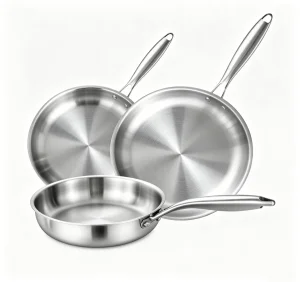
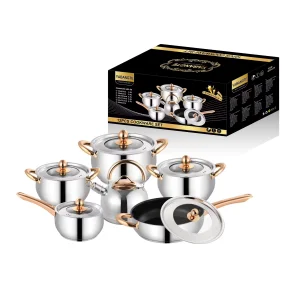
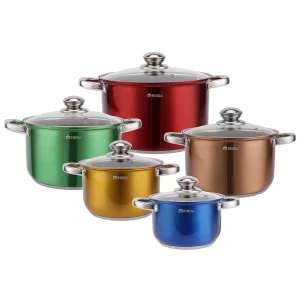
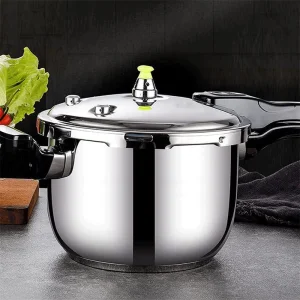
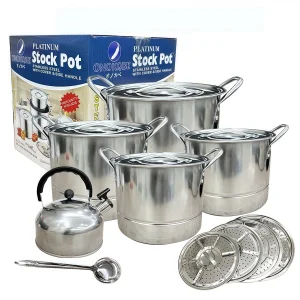
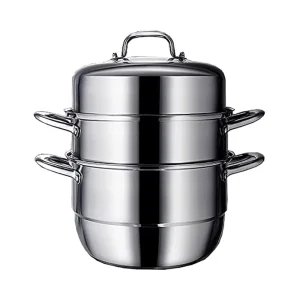
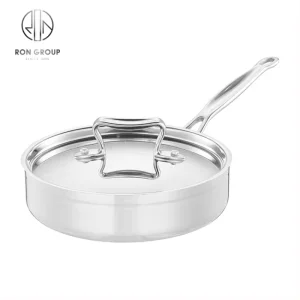
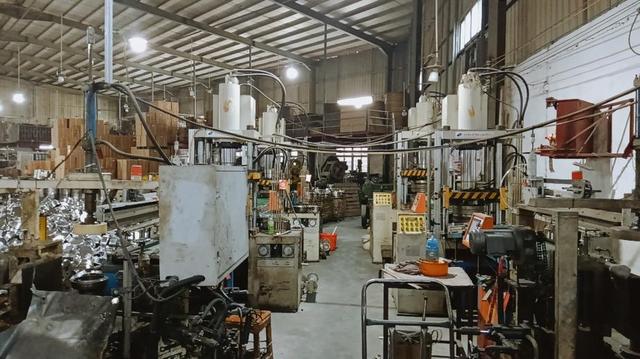
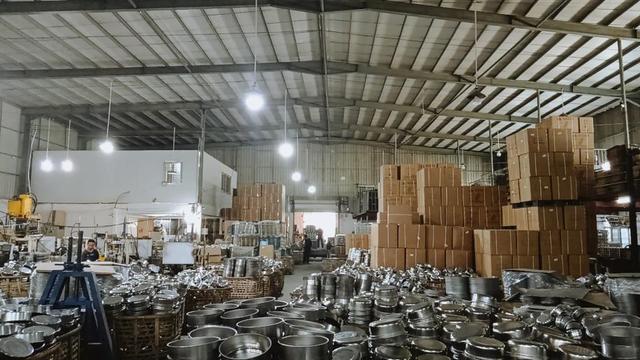
Foshan Sarap Kitchen Co., Ltd. is an industry-leading manufacturer specializing in high-grade stainless steel cookware and premium kitchenware solutions. Since our establishment in 2011, we have provided comprehensive OEM and ODM solutions for residential, commercial, and professional culinary applications globally. Located in Foshan, Guangdong Province—one of China's premier manufacturing hubs—our modern facility spans more than 22,000 square meters and employs over 250 skilled staff members.
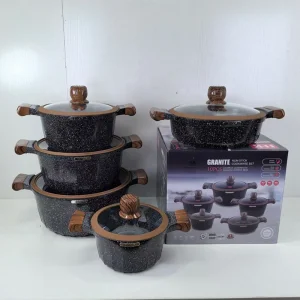
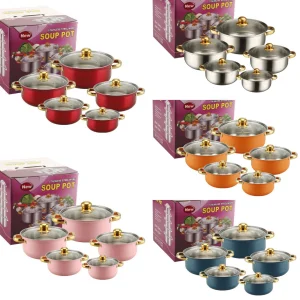
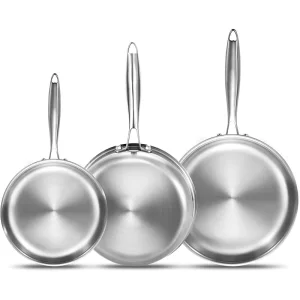
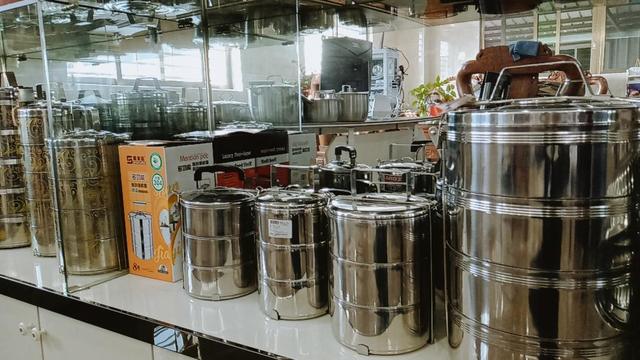
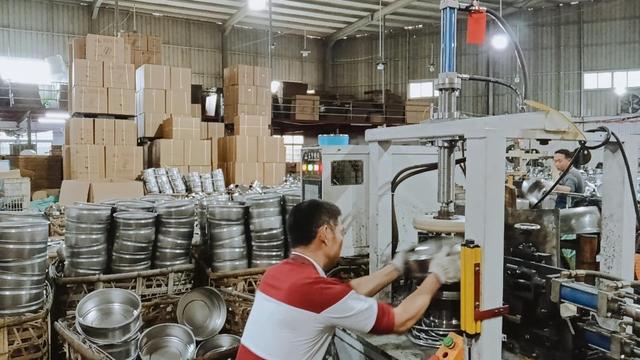
Leveraging automated polishing systems, precision press lines, and strict quality control protocols, we manufacture high-durability stainless steel frying pans, saucepans, stockpots, steamers, and cookware sets. Our metallurgical experience and advanced metal-forming technology allow us to supply robust, multi-ply, and vacuum-bonded vessels that meet the strict requirements of international importers and distributors. We serve cookware brands, hospitality buyers, and retail chains across North America, Europe, the Middle East, and Southeast Asia, offering customized branding, flexible manufacturing runs, and dedicated support for every shipment.
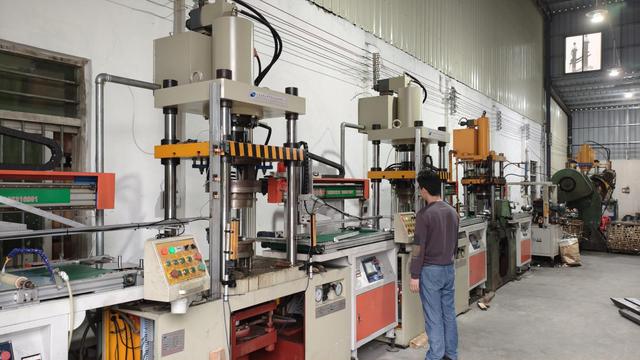
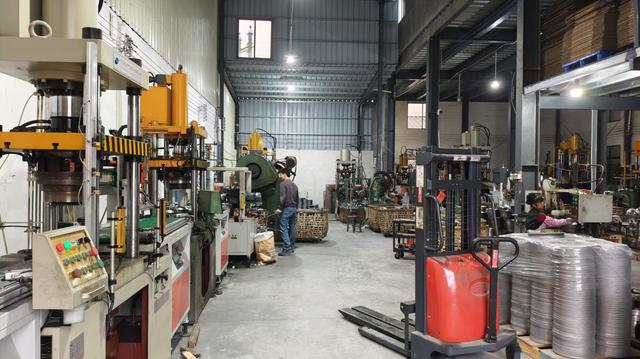
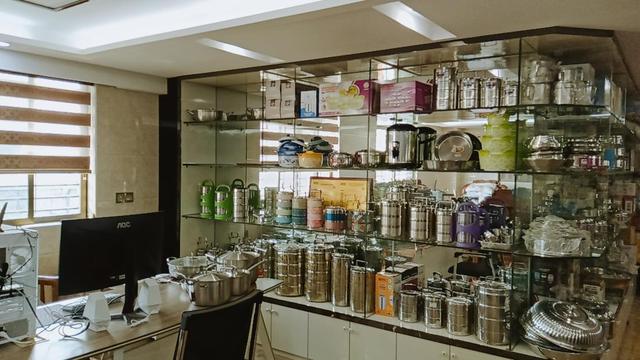
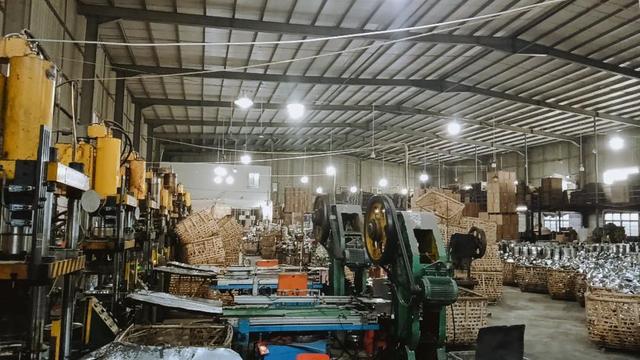
Engineered for commercial-grade thermal distribution, structural integrity, and long-term durability.