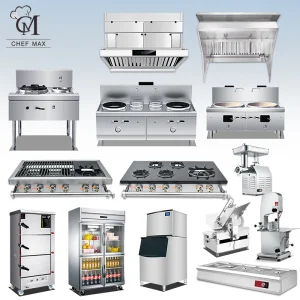
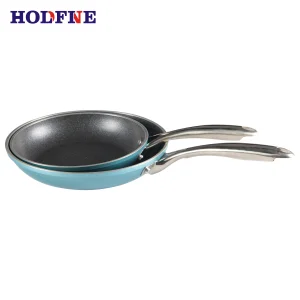
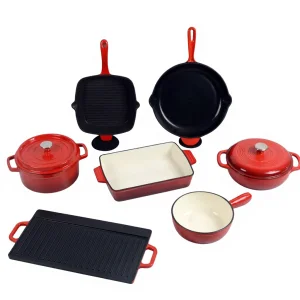
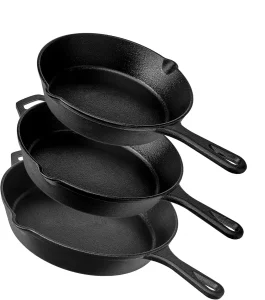
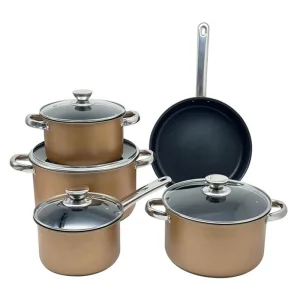
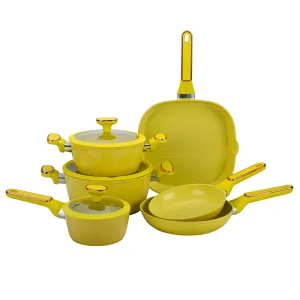
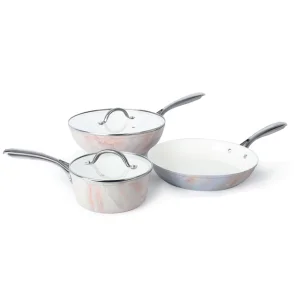
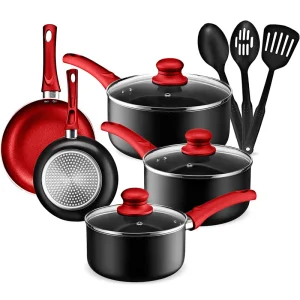
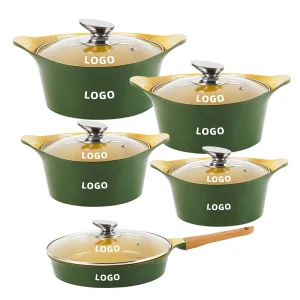
Jakarta, as the heartbeat of Southeast Asia's largest economy, is undergoing a profound transformation in its hospitality and food service sectors. The demand for Professional Chef Cookware in Jakarta has shifted from basic utility to high-performance, precision-engineered tools. With the rise of "Michelin-style" dining in SCBD and the rapid expansion of luxury hotel chains in Menteng, Jakarta’s culinary professionals are seeking exporters who can bridge the gap between European design standards and Asian manufacturing efficiency.
Unlike other regional markets, Jakarta’s cookware demand is driven by the "Heavy Duty" requirement. Due to the high-intensity nature of Indonesian cooking—involving high-heat sautéing and prolonged simmering (e.g., Rendang)—standard consumer-grade pans fail within months. Professional exporters are now focusing on Tri-ply Clad technology and 18/10 Stainless Steel to meet the durability benchmarks of the Jabodetabek region.
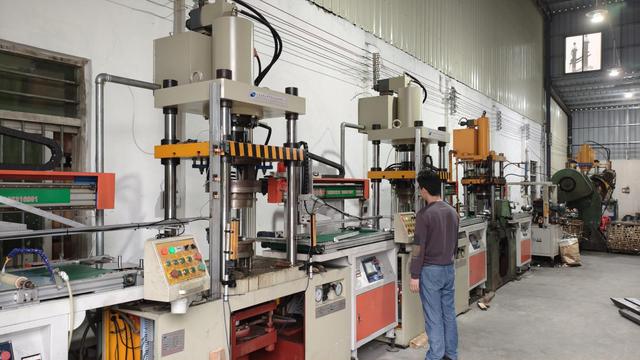
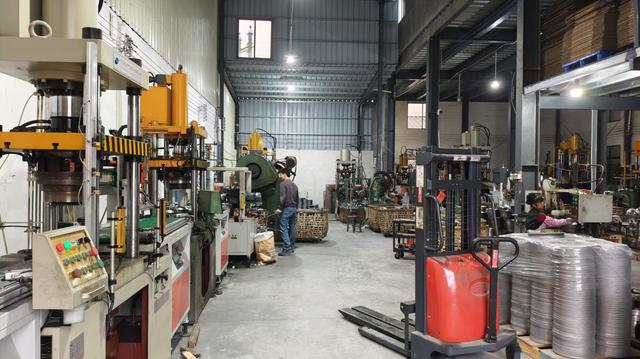
As highlighted in the industry profiles of leaders like Foshan Sarap Kitchen Co., Ltd., the integration of Industry 4.0 into cookware manufacturing is a game-changer for Jakarta-based importers. By leveraging automated polishing lines and AI-driven quality control, factories in Foshan can offer Jakarta businesses a 30% increase in production efficiency while maintaining 100% compliance with food-safety standards.
Sqm Production Base
Skilled Technicians
Years Excellence
Export Compliance
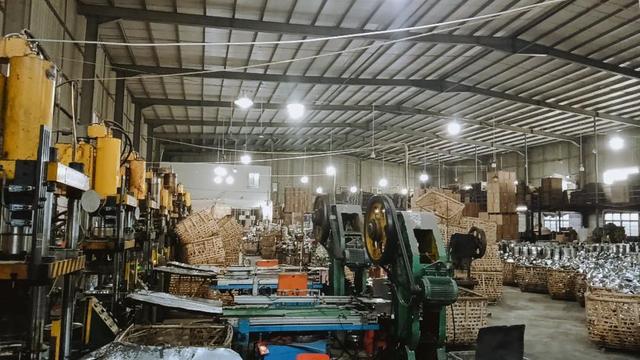
Foshan Sarap Kitchen Co., Ltd. (Est. 2011) has become a pivotal partner for Jakarta’s hotel suppliers. Their facility in Guangdong Province utilizes precision forming technologies that ensure even heat distribution—a critical factor for Jakarta's high-volume commercial kitchens. Serving distributors, retailers, and hospitality groups, they offer flexible OEM and ODM manufacturing services, allowing Jakarta brands to customize surface finishes and ergonomic handle designs specifically for the Indonesian market.
The global cookware market is currently defined by three major pillars: Sustainability, Induction Compatibility, and Multi-functional Hybridization. In Jakarta, these trends are manifesting through the rapid replacement of gas ranges with high-efficiency induction hobs in new commercial developments.
Innovation and product development remain central to growth. For the Jakarta market, Foshan Sarap Kitchen's engineering team focuses on multi-ply construction. This involves bonding layers of aluminum between stainless steel to create a vessel that responds instantly to temperature changes—a "must-have" for the nuanced sauces of Indonesian fusion cuisine.
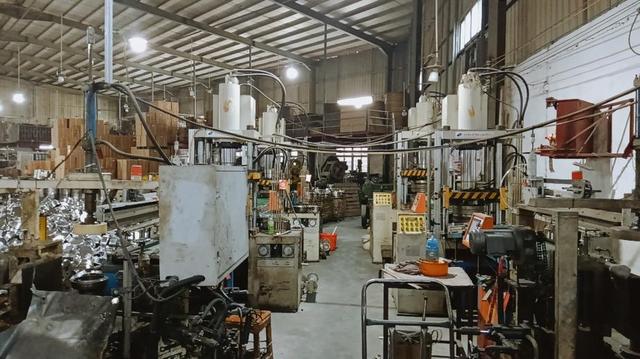
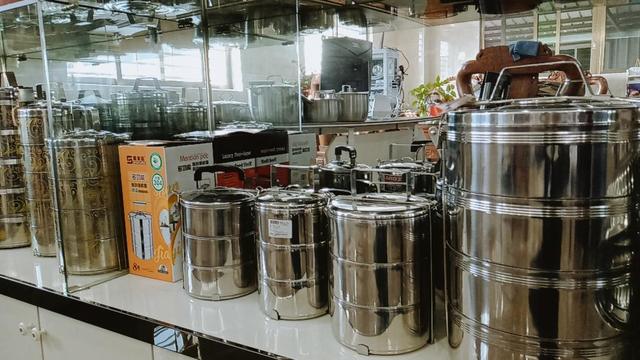
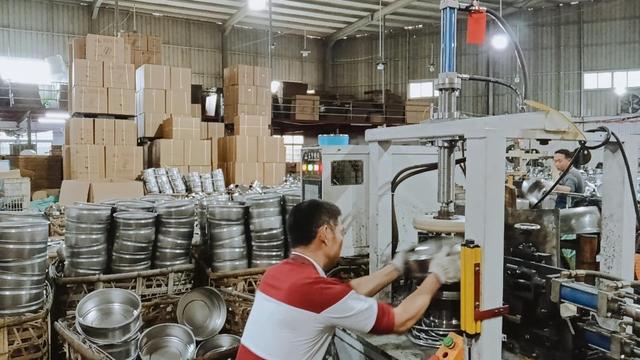
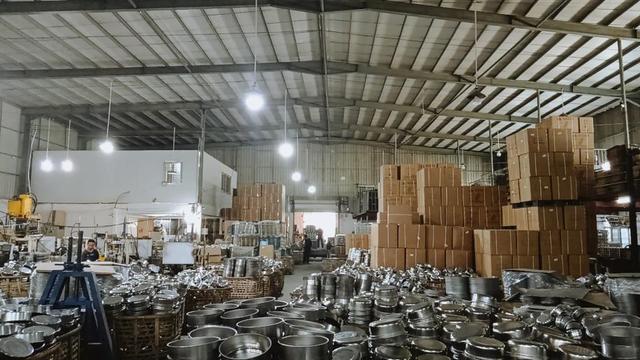
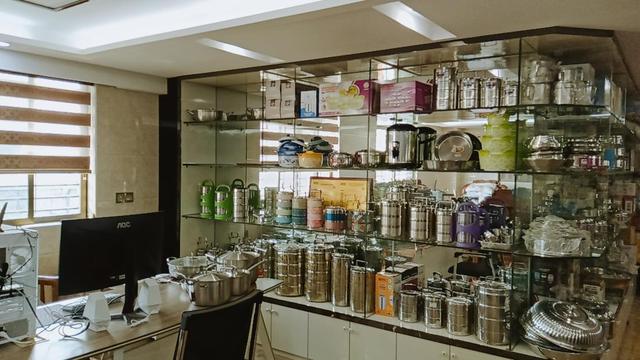
Every product undergoes rigorous inspection to ensure consistency. For Jakarta exporters, this means 0% return rates and protected brand reputation. Whether it is cast iron skillets for Jakarta steakhouse chains or copper saucepans for fine-dining pastry kitchens, the manufacturing process is tailored to the rigorous demands of the modern chef.
Foshan offers a complete industrial ecosystem. From raw 18/10 steel sourcing to automated logistics, the cost-to-quality ratio is unmatched globally, providing Jakarta businesses with better margins.
Yes, all our "Tri-ply" and "Induction-Ready" series are tested against international voltage and magnetic field standards common in Indonesian hospitality equipment.
Absolutely. We provide full OEM services including laser-engraved logos, custom color-box packaging in Bahasa Indonesia, and specific handle modifications for ergonomic comfort.