Q1:
What types of stainless steel do you use? What's the difference?
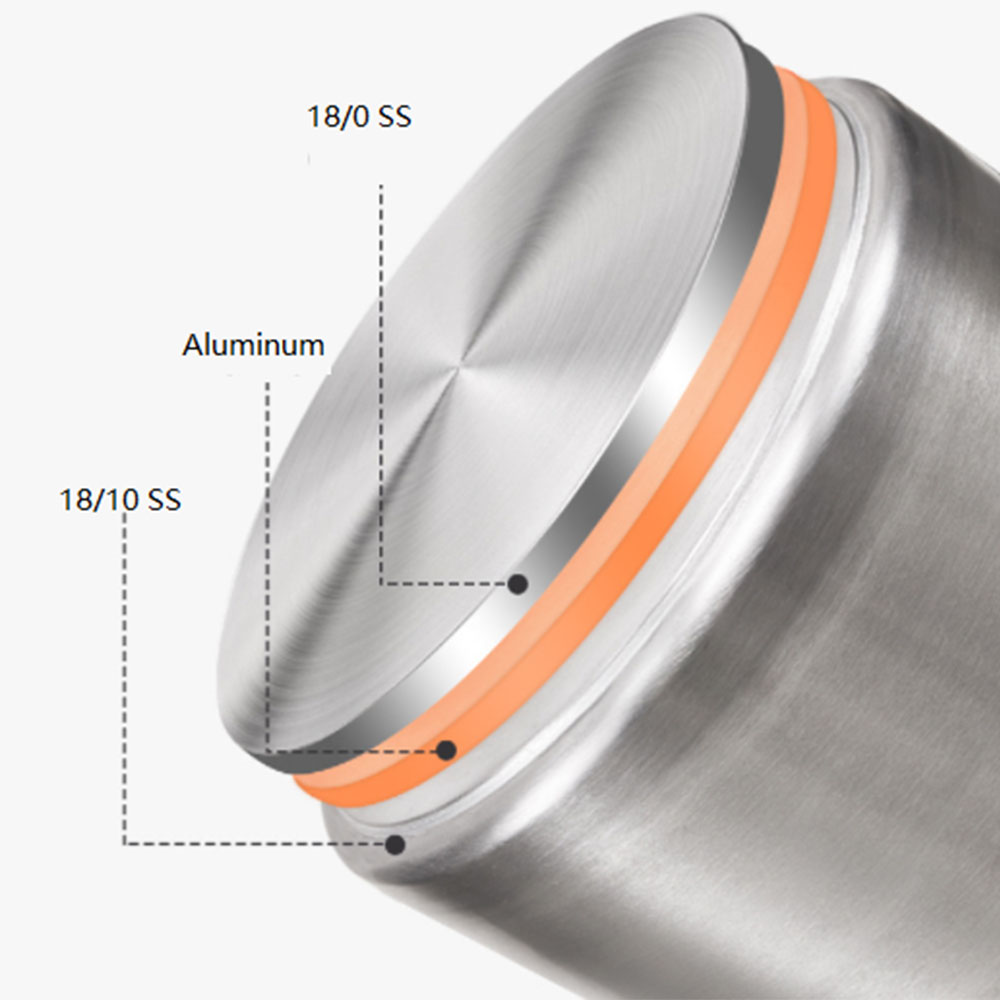
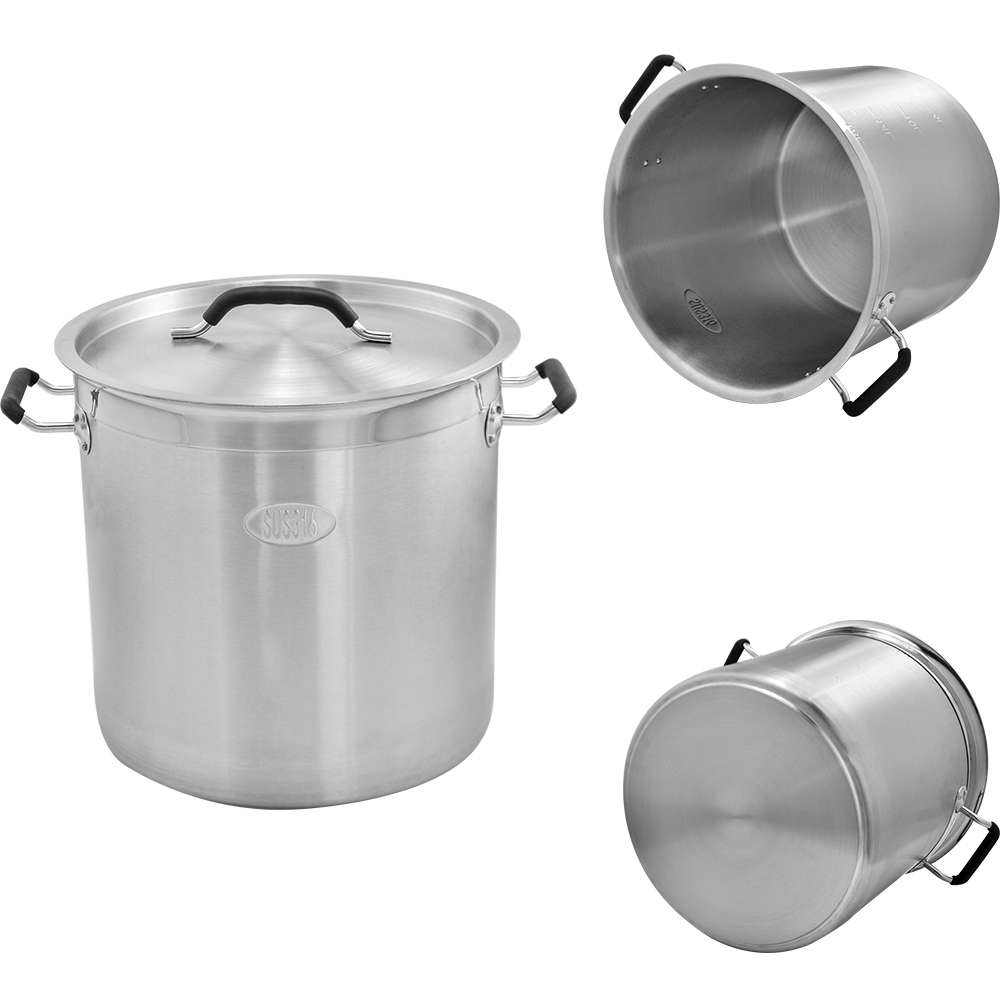
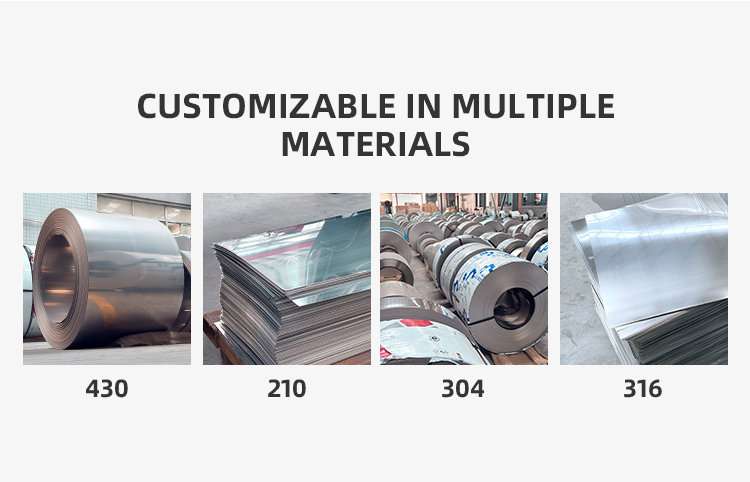
We primarily use 201, 304 (18/8), and 316 (18/10) stainless steel.
- 201: Offers good acid and alkali resistance and cost-effectiveness, suitable for environments with low corrosion requirements and limited budgets.
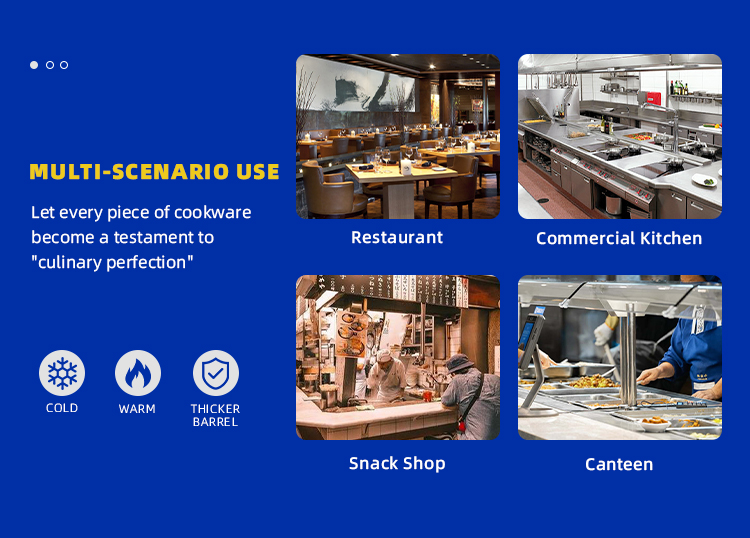
- 304 (18/8): The industry-standard food-grade material, providing excellent corrosion resistance and durability. It's the top choice for commercial kitchens.
- 316 (18/10): Premium surgical-grade material containing Molybdenum. It provides superior resistance to chlorides and acids, making it ideal for harsh environments or frequent contact with acidic ingredients.
Q2:
Is your cookware compatible with all stove types?
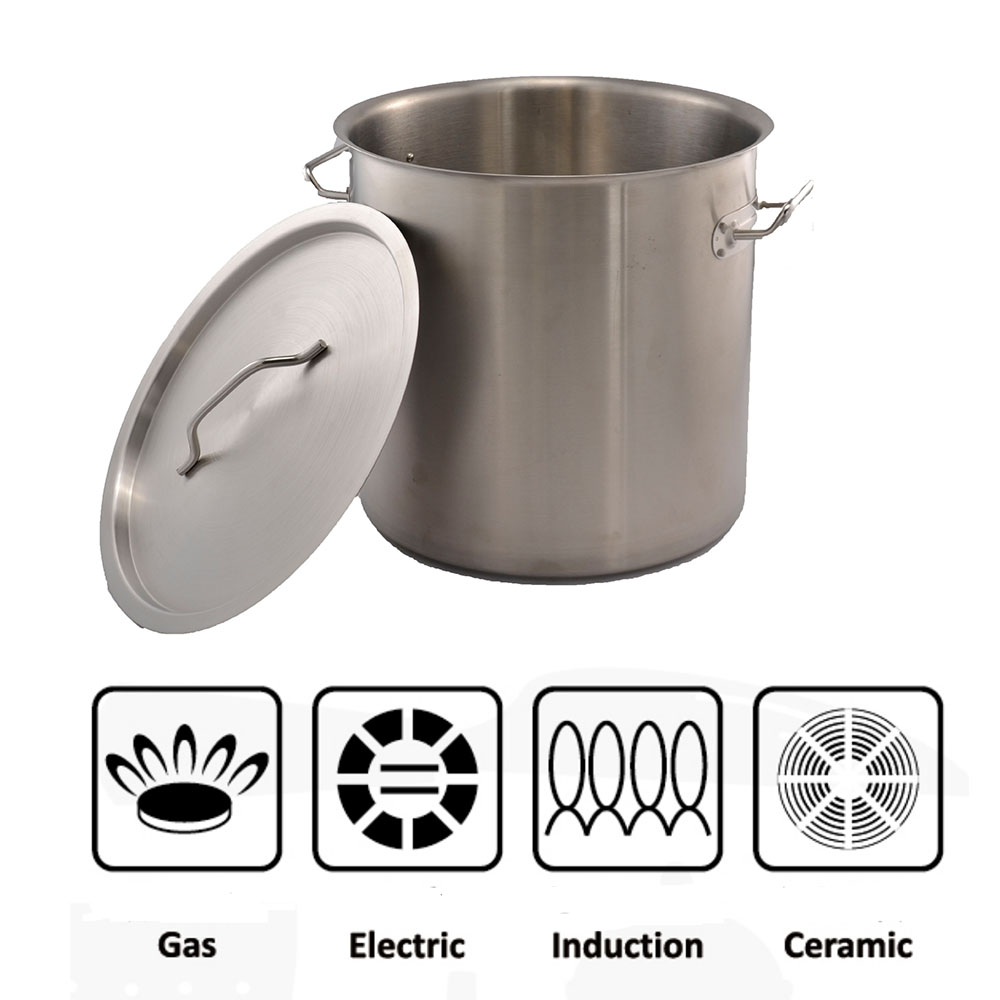
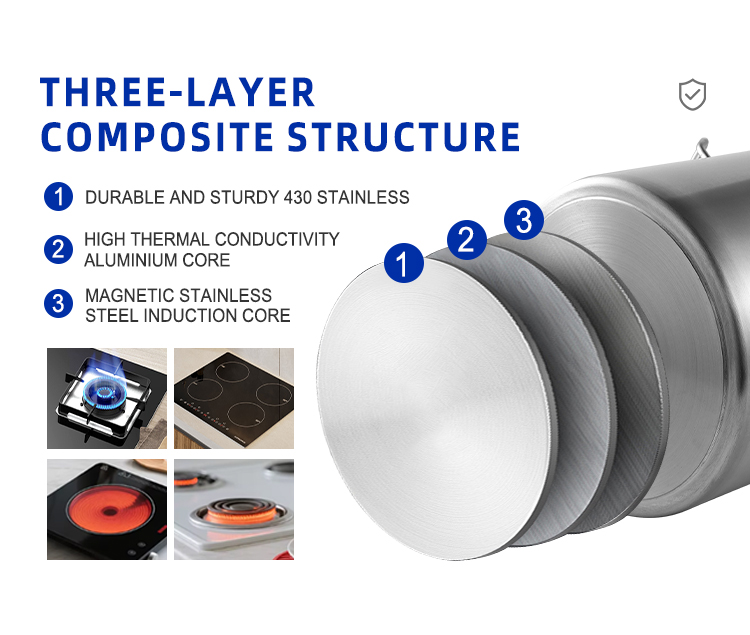
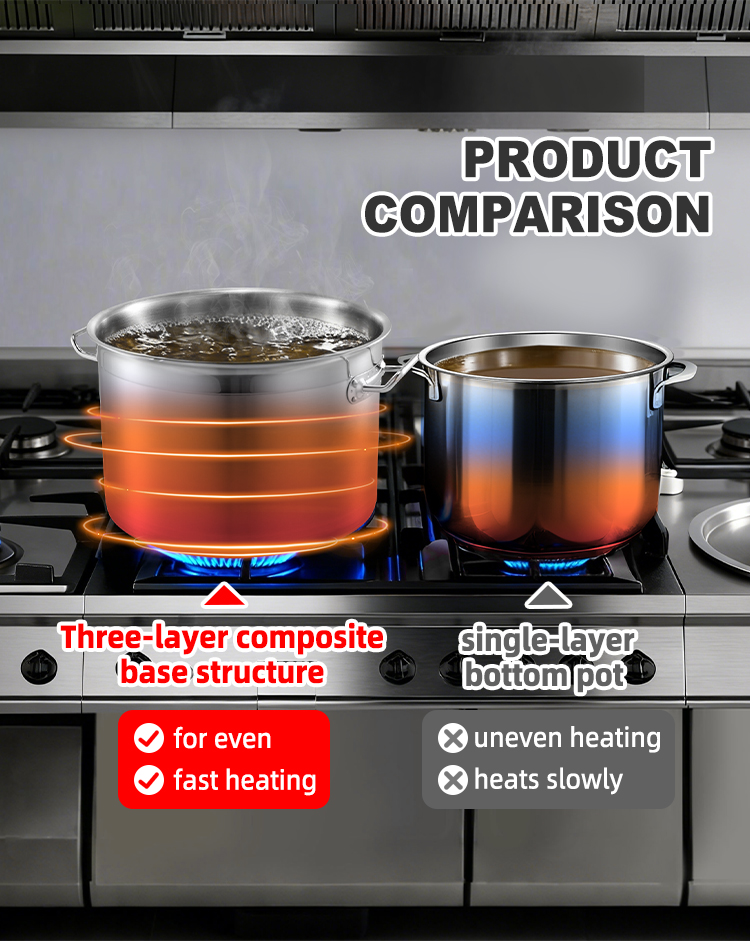
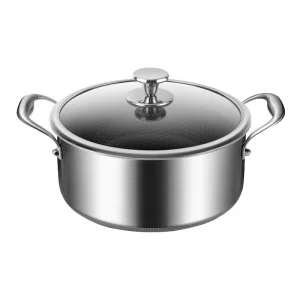
Our multi-clad bottom cookware features a layered construction that is typically compatible with most major stove types, including induction, gas, and electric ceramic hobs. We recommend providing your specific usage scenario so we can confirm exact compatibility.
Q3:
What products do you offer?
We offer a comprehensive range of stainless steel kitchenware:
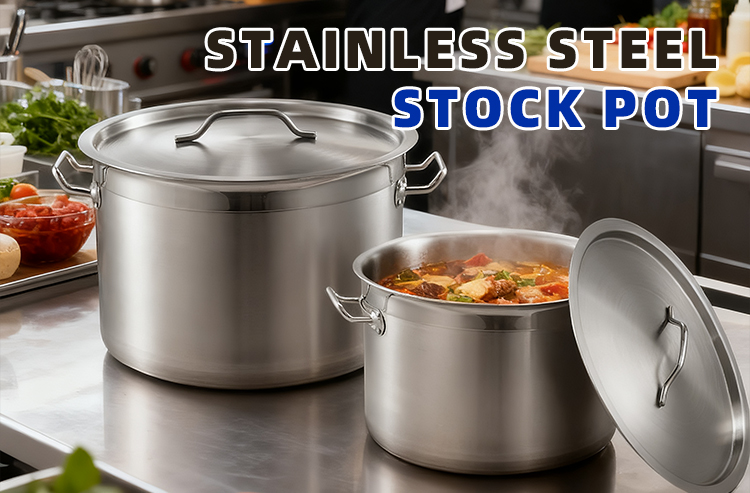
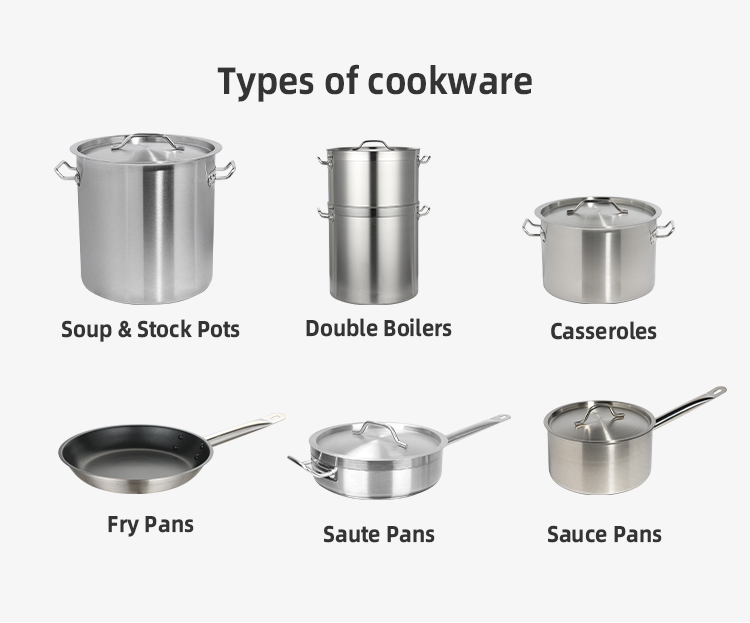
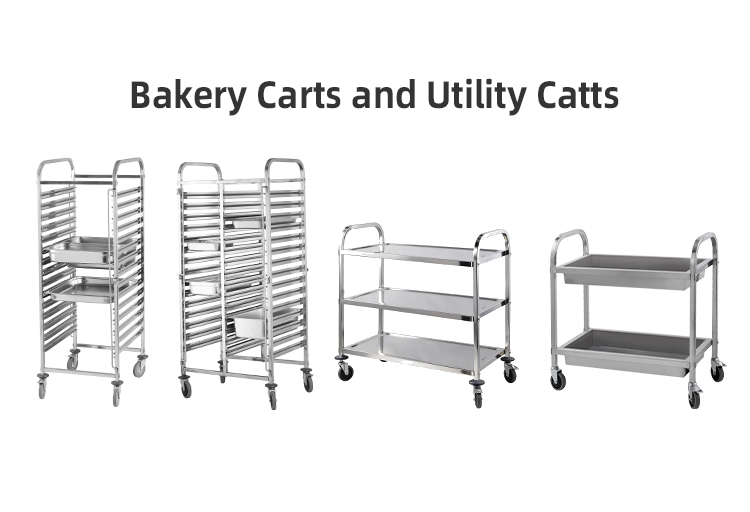
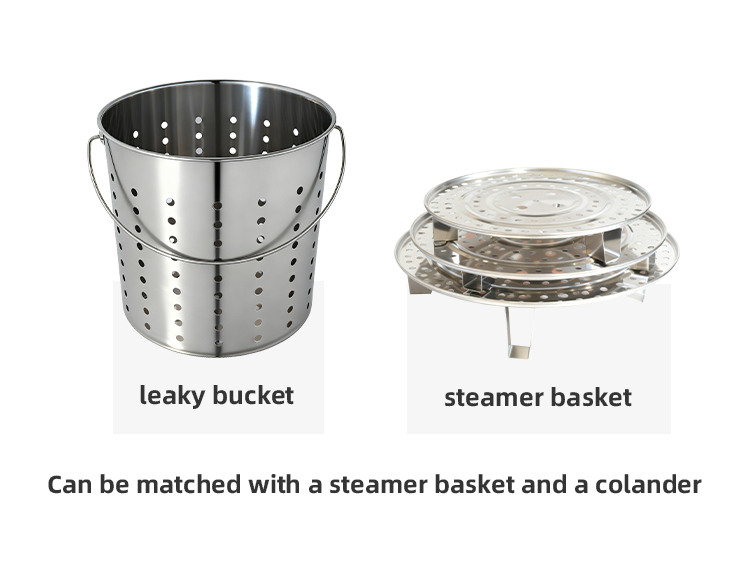
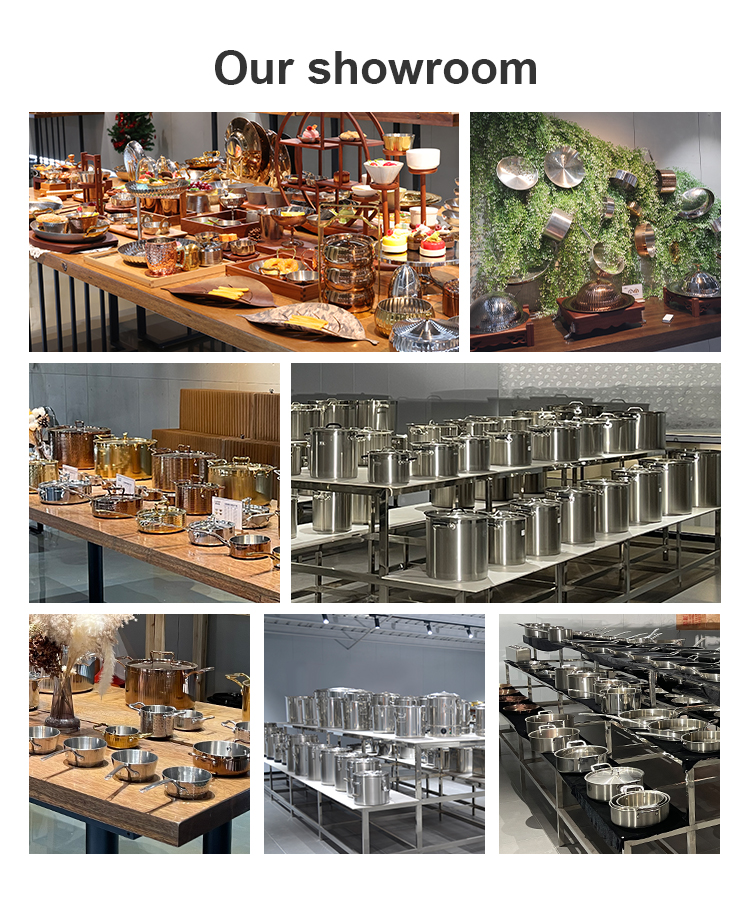
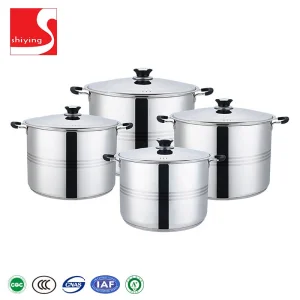
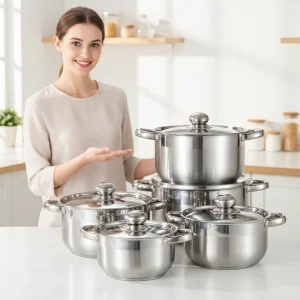
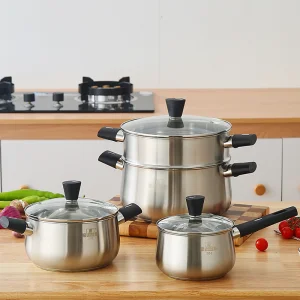
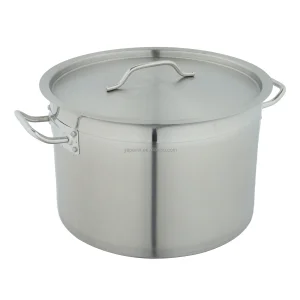
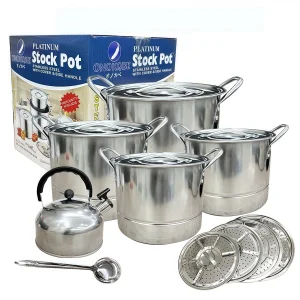
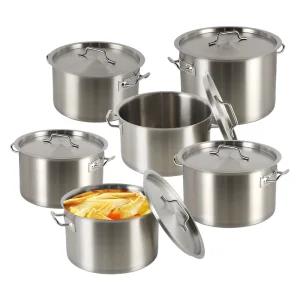
- Commercial Kitchen Equipment: Soup pots, stock pots, casseroles, sauce pans, steamers, frying pans, and Stainless Steel Dining Carts / GN Pan Trolleys / Cake Pan Trolleys / Platform Handcarts.
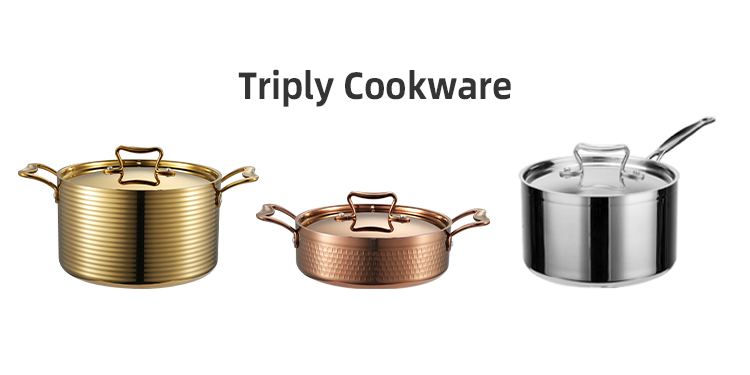
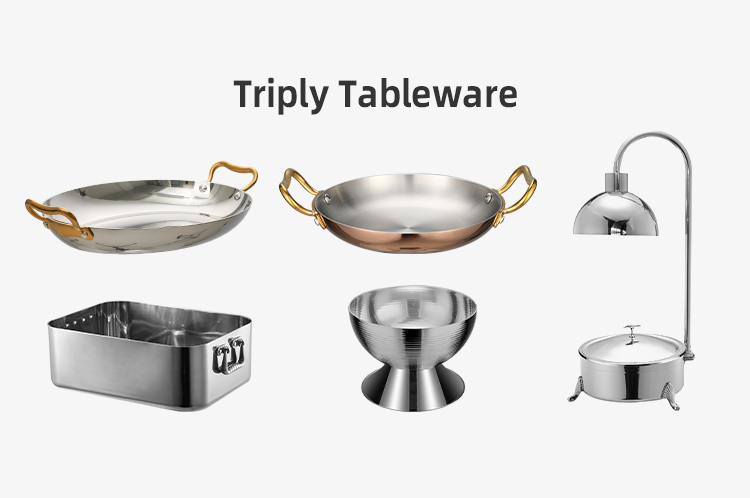
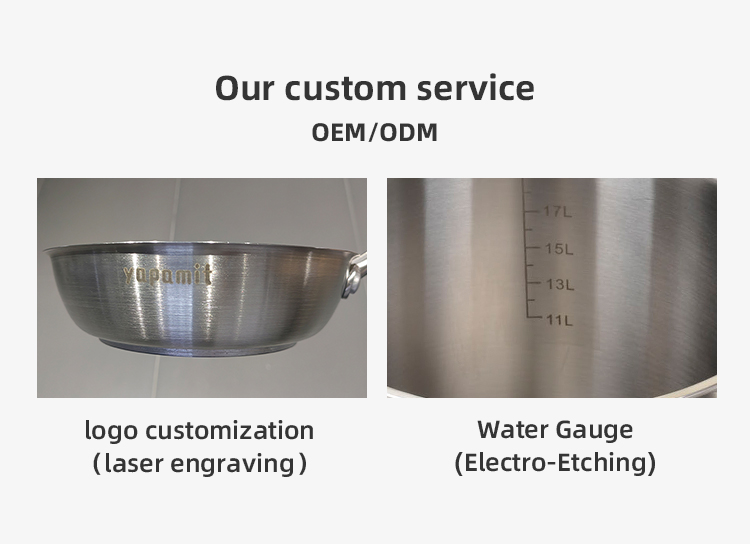
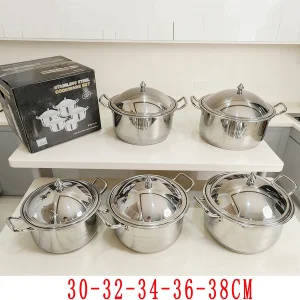
- Tabletop & Buffet Serveware: Tri-Ply stainless steel/copper products including soup pots, sauce pots, seafood trays, oval platters, food warmers, and various commercial serving ware. We also provide professional OEM and ODM services.
Q4:
What is your Minimum Order Quantity (MOQ)?
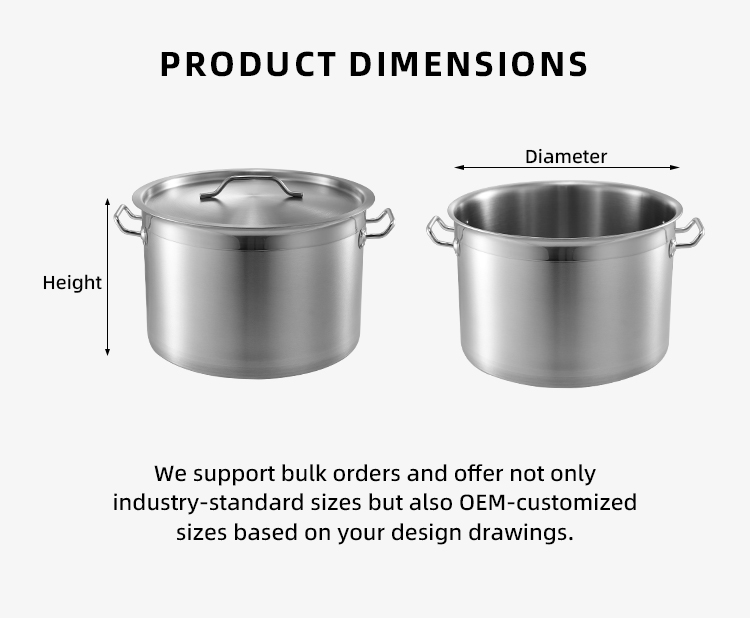
Our MOQ is relatively flexible. For standard products, we can typically start from smaller quantities, while customized orders depend on design specifications, material selection, and production complexity. Please contact our team for a personalized quotation based on your requirements.
Q5:
What is your typical production lead time?
Lead times vary by product type: 7-15 days for standard items in stock, 15-30 days for standard production, and 30-45 days for custom orders (depending on complexity and quantity). We always ensure efficient delivery without compromising quality.
Q6:
How do you ensure product quality?
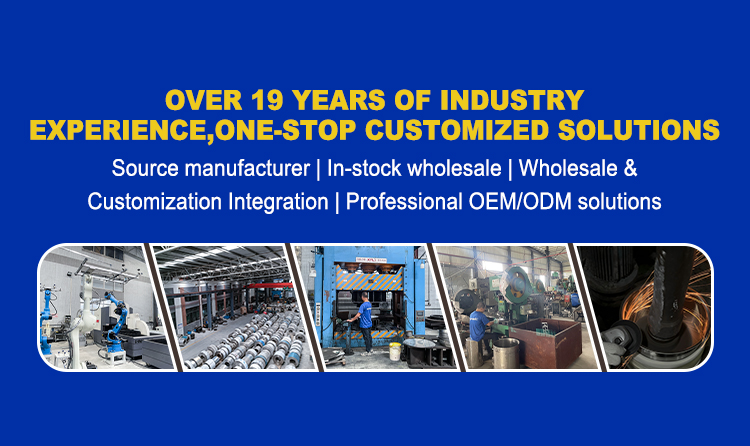
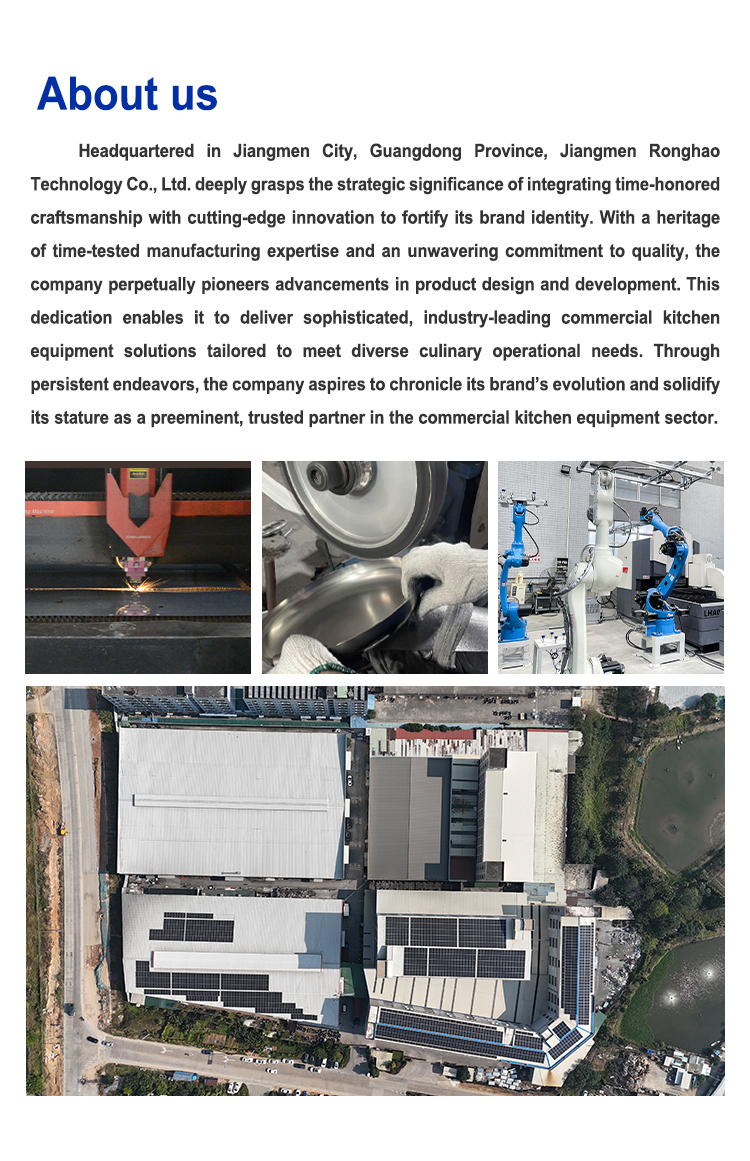
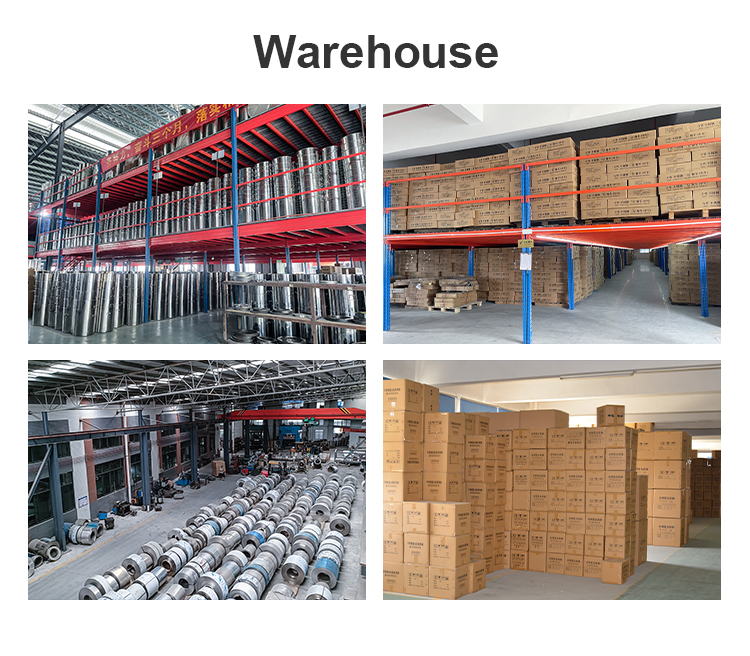
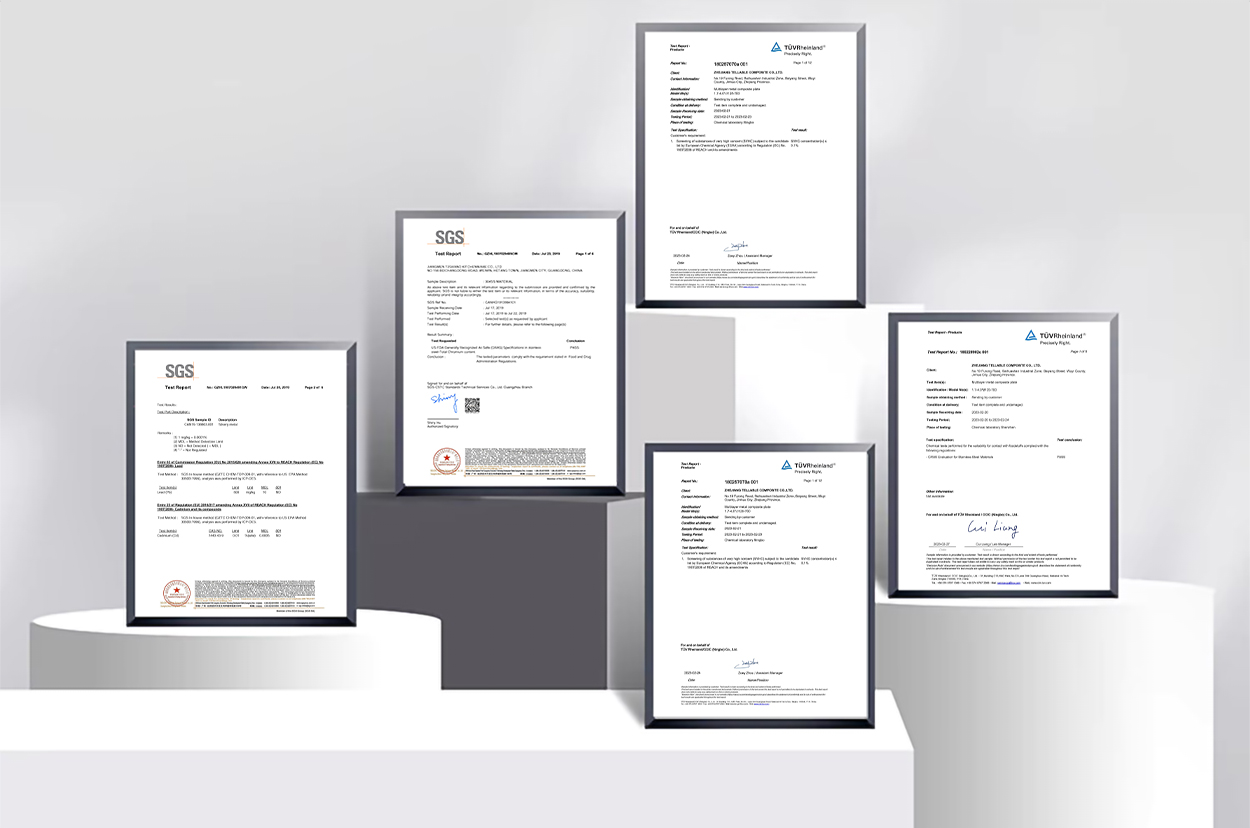
We implement full-process quality control, with stringent checks from raw material inspection through all production stages (stamping, welding, polishing, etc.), followed by final pre-shipment inspection to ensure every product meets standardized protocols.